 eng
 English
 русский
 Español
 Français
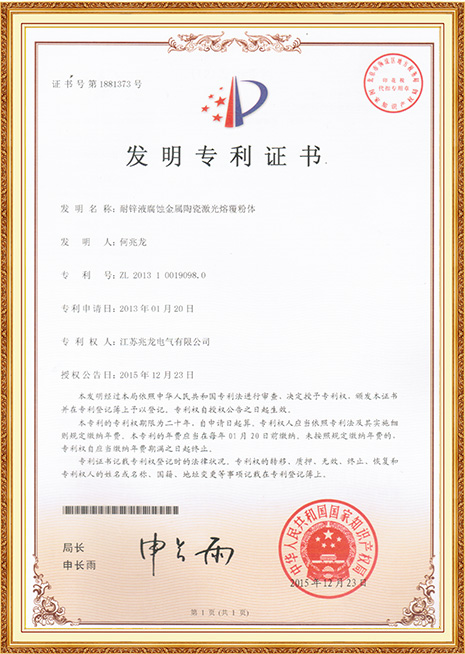
As China Level gauge Manufacturers and Level gauge Factory, Jiangsu Zhaolong Electrics Co., Ltd. is a regional high-tech enterprise and a production base of temperature sensors and temperature control instruments. We have jointly developed and produced a series of thermocouples (thermal resistances) and temperature control electronics with numerous R&D institutions and academies in Shanghai. These products are salable throughout the country and the world, offering an advantage in cost performance. Our products have a renowned reputation in the market and win customers' trust due to their excellent performance, attractive appearance, high reliability, advanced technology, and good cost performance.
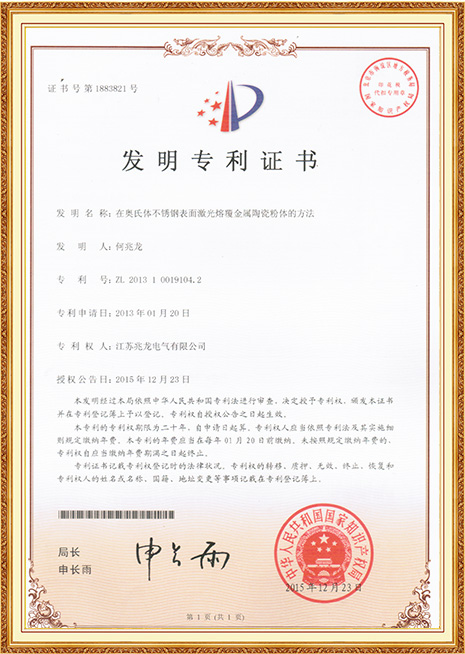
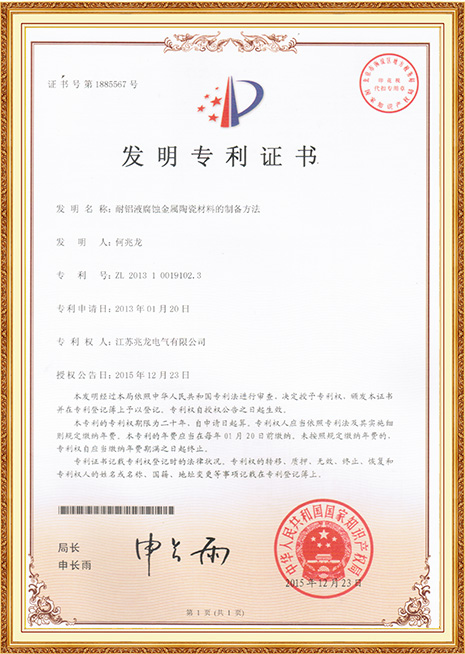
With strong technical development team and patent results, we can undertake business for normal and special specifications, and can design & install various large-scale and small-scale automatic temperature control boxes and temperature control rooms and remote monitoring temperature control systems for customers.
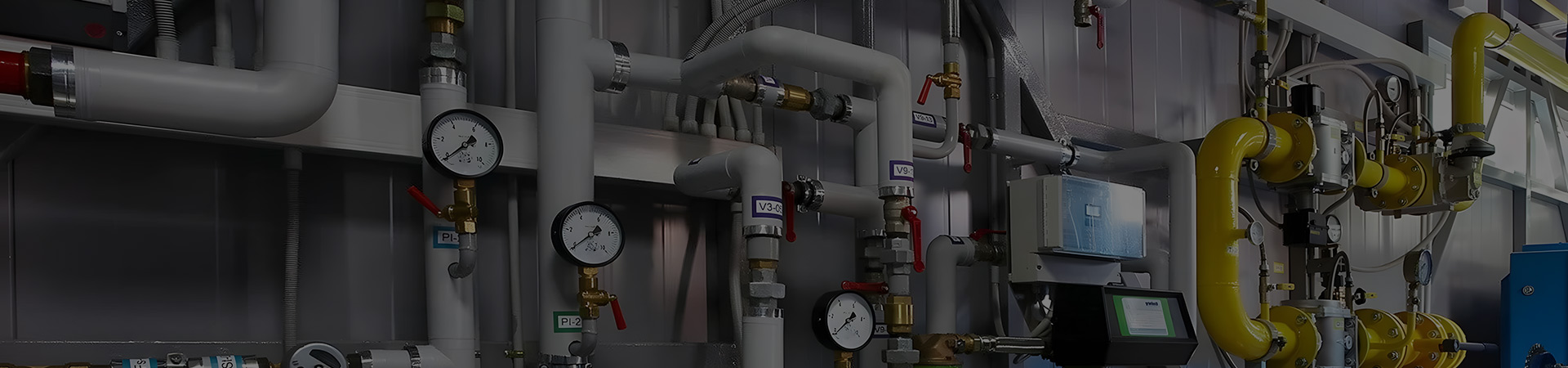
Level gauge Manufacturers
information to be updated
-
If you have ever compared two thermocouples on the same pipe and watched them disagree by a few degrees, the sensor tip probably was not the problem. More often, the answer sits at the other end of the loop, in the term...
READ MORE -
If you have ever aimed an infrared thermometer at a stainless steel surface and received an unexpectedly low reading, emissivity is almost certainly the reason. Stainless steel is one of the most common materials in ind...
READ MORE -
Resistance temperature detectors, or RTDs, are among the most reliable temperature sensors used in industrial automation. As a manufacturer that has designed and built temperature sensors and temperature control instrum...
READ MORE -
In industrial process measurement, few challenges are as common as obtaining reliable flow readings from liquids that are not perfectly clean. Slurries, wastewater, chemical suspensions, and liquids carrying entrained g...
READ MORE
Jiangsu Zhaolong Electrics Co., Ltd. is a China-based industrial instrumentation manufacturer with 20 years of manufacturing experience, a 33,300 m² production area and an in-house engineering team that supports both standard and special specifications. Our Level gauge line sits alongside our temperature sensor, transmitter and controller products, so we can supply complete instrumentation packages for storage, chemical, petrochemical and water-treatment applications. As a Level gauge manufacturer, we configure each instrument around the fluid, tank geometry, operating pressure and the signal interface required by the control system.
Level Gauge Range and Configuration Approach
Level gauges for industrial plants fall into two working groups: local-reading instruments for direct tank-side verification, and electronic instruments for control loops, alarm functions and remote monitoring. Instead of offering only a fixed model list, we approach the Level gauge category from the measurement point and select the readout and output that fit the application.
- Direct-reading instruments for storage tanks, reservoirs and simple process vessels where the operator needs a clear visual check.
- Switch-output instruments for high-level and low-level alarms, pump protection and interlock circuits.
- Continuous-output instruments for level control, inventory reconciliation, batch sequencing and connection to a PLC, DCS or remote monitoring system.
When the gauges are part of a larger project, we coordinate them with the temperature, pressure and transmitter components of the same loop. This reduces interface problems during installation and commissioning because one engineering team works from the same set of process conditions. Our complete product range covers temperature sensors, transmitters, controllers, thermometers and pressure instruments, allowing us to deliver a coherent instrumentation package.
Application Fit and Process Compatibility
The right level gauge depends on the fluid, the vessel geometry and the process duty. We select the mechanical design, wetted materials and output type accordingly. The table below shows the main application groups we support and the configuration priorities we apply.
| Application | Measurement priority | Level gauge configuration considerations |
|---|---|---|
| Storage tanks and reservoirs | Overfill prevention, inventory control, shortage detection | Wetted material compatibility, mounting length, local indicator or continuous output |
| Chemical and petrochemical processing | Process stability, containment, corrosive or volatile media | Corrosion-resistant materials, sealing for pressure or vacuum, electrical area classification |
| Water and wastewater treatment | Pump control, stable tank levels, low maintenance | Fouling-resistant design, repeatable switching or continuous signal |
| Oil, fuel and natural gas facilities | Safety, interface measurement, outdoor exposure | Rugged housing, reliable signal transmission, compatible fittings and materials |
Materials, Wetted Parts and Critical Specifications
Material selection is the first step in preparing a reliable level gauge proposal. Our wetted-part options can be specified in 304 or 316 stainless steel, PTFE or compatible sealing materials, depending on the fluid. PTFE components are already part of our production programme for strong acid, strong alkali and corrosion-resistant duties.
- Process fluid: chemical composition, density, viscosity, solids content and foaming or condensation tendency.
- Vessel parameters: height, diameter, nozzle size and orientation, top or side access, flange standard or thread type.
- Working limits: design pressure, design temperature, vacuum, agitation and outdoor installation conditions.
- Required readout: local scale, switch output, continuous analog or digital output, or a combination of these.
- Accuracy and repeatability: confirmed against the control or safety function the instrument must support.
When preparing a proposal, we confirm quantities per measuring point and include the recommended spare parts package. This gives procurement teams a complete commercial scope and avoids separate buying cycles for sensors, connections and replacement components.
Controls and Automation Integration
A level gauge becomes part of a working loop when its signal is connected to the correct control function. Our engineering team designs automatic temperature control boxes, temperature control rooms and remote monitoring systems, and we can integrate level signals into those systems. This is useful for batch processes, pump alternation, overfill protection and inventory monitoring.
Send the input specification of the PLC or DCS, the cabinet termination details and the power available at the instrument location. We will confirm the interface in the proposal and provide the installation documentation needed for commissioning.
Quality, Testing and Acceptance
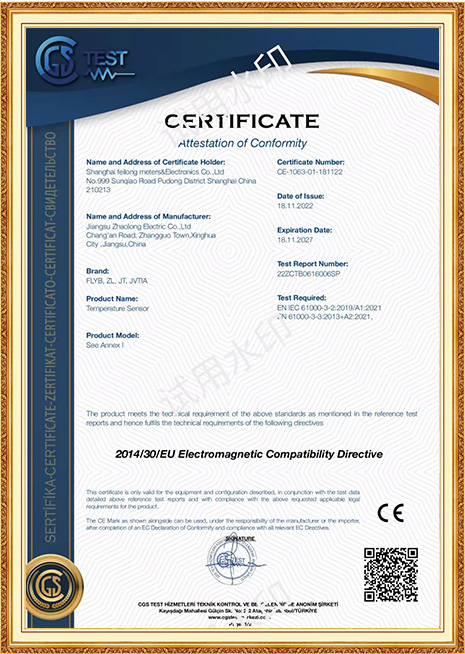
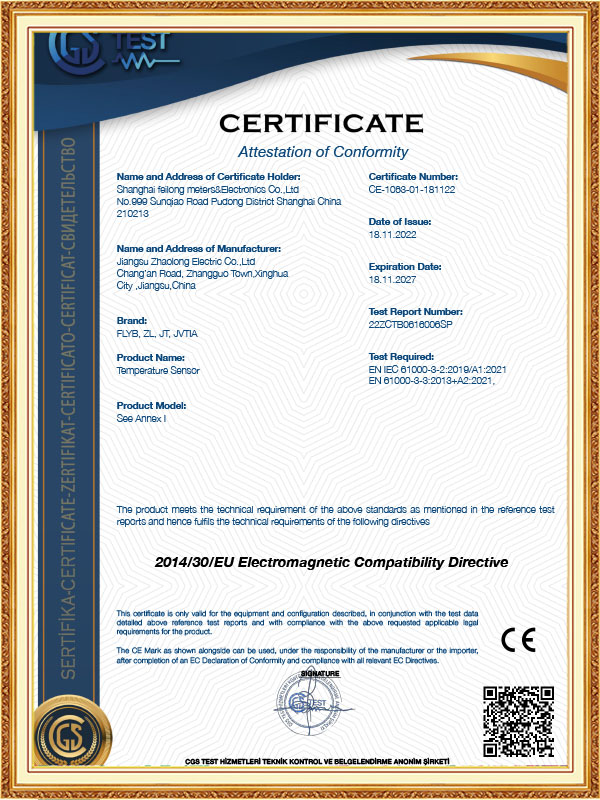
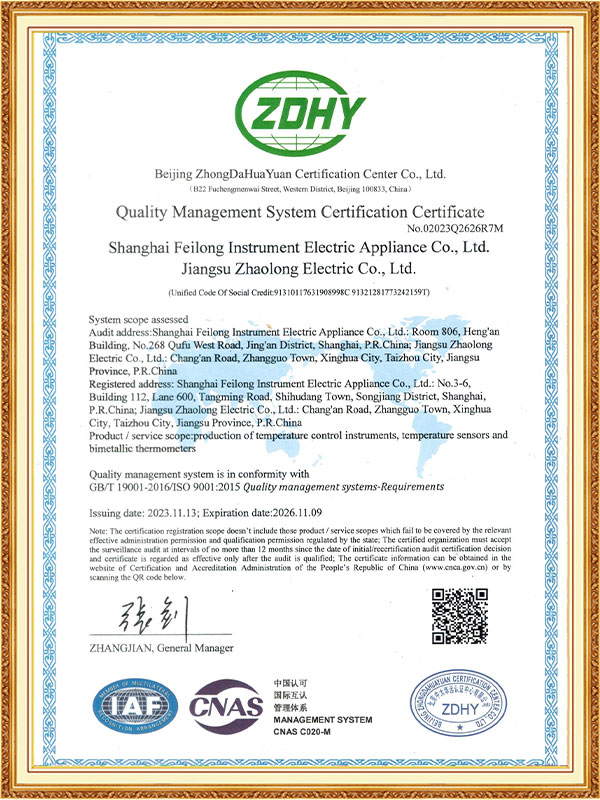
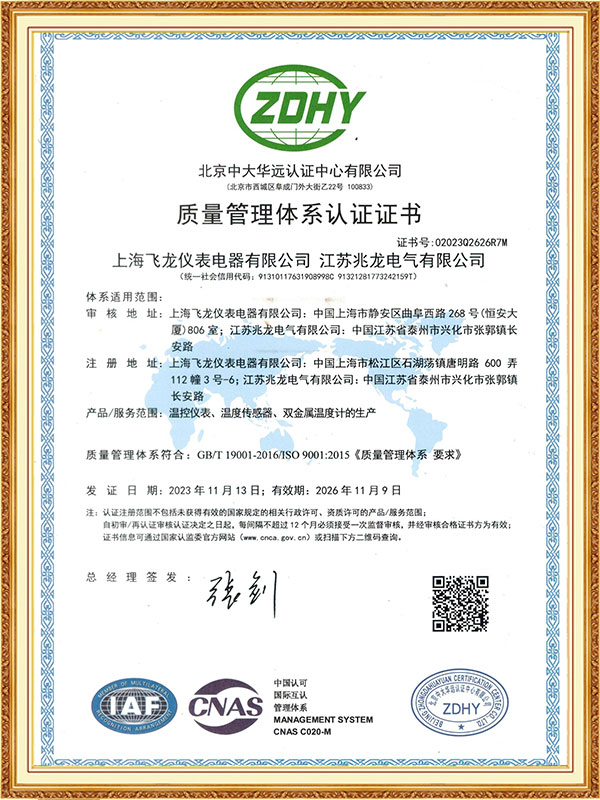
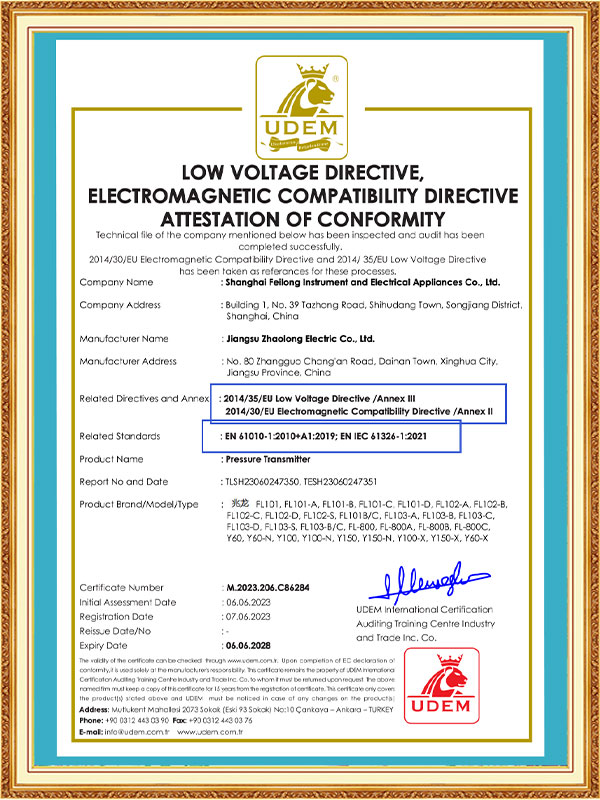
Our factory operates under ISO9001 and ISO14001 certified quality and environmental management systems, holds CE marking for relevant products, and applies quality supervision from incoming material to final test. Instruments are checked before dispatch, and calibration can be confirmed with the test documentation required by your project.
Factory testing covers the checks defined by the order, including mechanical assembly, readout or signal verification, and the material and documentation requirements agreed at quotation. Where a project requires material certificates, calibration reports or inspection records, those documents are prepared during production.
Installation, Service and Spare Parts Support
We provide a 12-month warranty against non-human damage, and we keep spare parts available so replacements can be dispatched without long downtime. For instruments that need periodic calibration, we offer calibration services using high-precision test equipment. On project orders, installation and commissioning instructions are included, and our engineers can provide professional installation support for automatic control systems.
Shipping is normally arranged by sea from our Jiangsu plant, and air freight can be used for urgent replacement parts.
Information We Use to Configure Your Level Gauge
To prepare a suitable proposal, we need the measurement point data rather than only a model number. The table below shows the project information that has the strongest effect on material selection, configuration and cost.
| Project information | Why it is needed |
|---|---|
| Fluid name, density, viscosity and chemical composition | Determines wetted material, sealing and measuring principle. |
| Tank dimensions, nozzle sizes and connection standard | Defines mounting length, flange or thread type and installation position. |
| Design pressure, design temperature, vacuum or agitation | Confirms mechanical strength, gasket material and operating limits. |
| Required indication or output | Selects local readout, switch output, continuous signal or alarm logic. |
| Electrical area classification and certificate requirement | Defines housing type, electrical interface and documentation for hazardous locations. |
| Project quantity, spare parts and delivery schedule | Allows us to prepare the commercial proposal and production plan. |
Level Gauge Procurement FAQs
Do you manufacture level gauges in-house?
Our Level gauge supplier status is backed by our instrument production and testing programme rather than a simple trading operation. We manufacture complementary instrumentation such as temperature sensors, transmitters and PTFE components, and we support custom designs from drawings or samples.
What information do you need for a level gauge quotation?
We need the fluid composition, vessel and nozzle dimensions, design pressure and temperature, required output or display, area classification and project quantity. With these details, we can configure the instrument for the actual measuring point instead of offering a generic product.
Can the level gauge be connected to a PLC or DCS?
Yes. Instruments with switch contacts or continuous outputs can be connected to control systems, and our engineering team can design automatic control and remote monitoring systems that include level signals together with temperature and pressure points.
Which materials are suitable for corrosive chemicals?
Material selection depends on concentration, temperature and pressure. Our wetted-part programme includes stainless steel and PTFE materials. For strong acids and alkalis, PTFE is the common choice, and we confirm the final material specification during quotation.
What service support is included?
Every order includes the relevant installation documentation, and the instrument is covered by a 12-month warranty against non-human damage. We also provide calibration services, spare parts availability and optional air freight for urgent replacements.
Related Products and Categories
Our portfolio also includes Assembled thermocouple for applications with different operating ranges, interfaces or integration requirements.

-
 +86-181 1593 0076 (Amy)
-
 +86 (0)523-8376 1478
-
 [email protected]
-
 No. 80, Chang'an Road, Dainan Town, Xinghua City, Jiangsu, China

Copyright © 2025. Jiangsu Zhaolong Electrics Co., Ltd.
 Custom Level gauge Manufacturers
