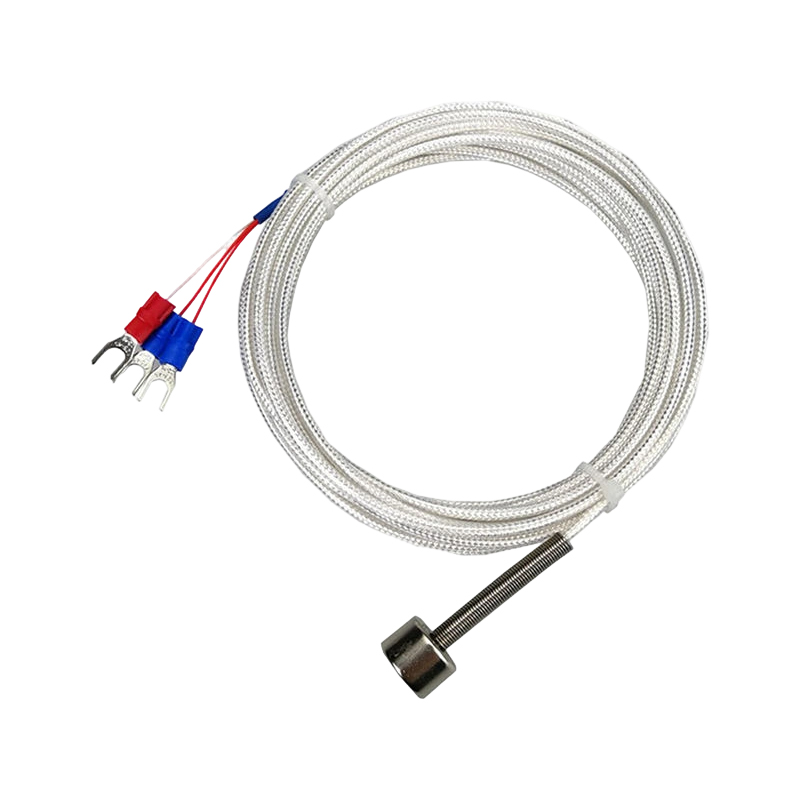
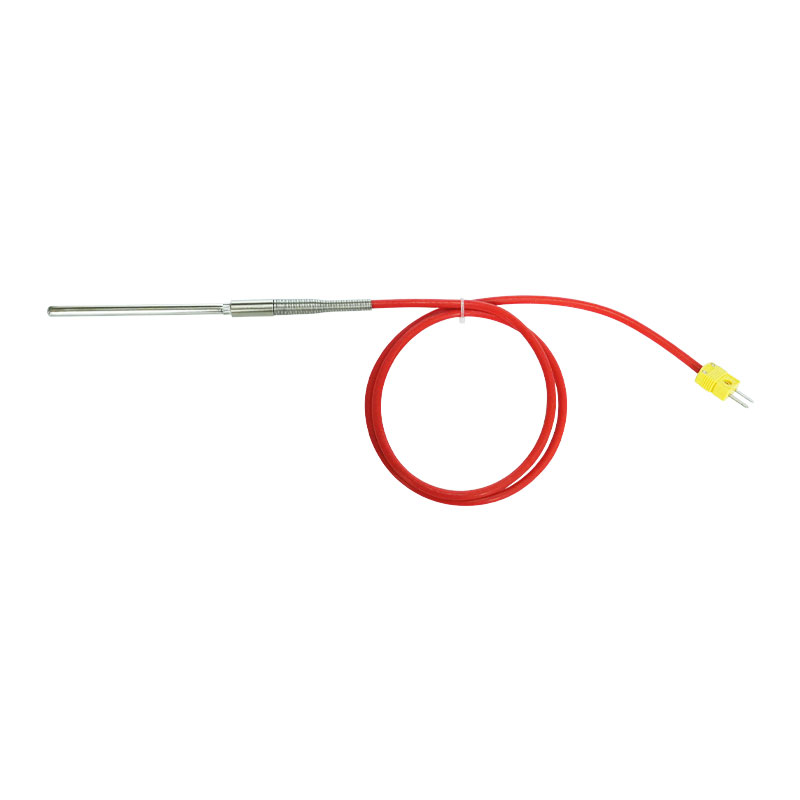
An industrial-grade temperature sensor is a device that converts heat or coolness into a corresponding electrical signal, typically a change in resistance or voltage, and its core specifications generally include an accuracy rating between 0.1°C and 1°C, a working range from around negative 200°C to over 1000°C depending on sensor type, and a response time ranging from under a second to several seconds. Beyond simply reporting a current reading, many industrial sensors now feed into monitoring systems capable of predictive analysis, flagging gradual temperature drift or unusual patterns before a piece of equipment actually fails, which shifts the sensor's role from passive measurement toward active maintenance planning.
At the core of any temperature sensor sits a sensing element that reacts physically to temperature change, and that physical reaction is translated into an electrical signal that downstream equipment can read and record. In a resistance-based sensor, the element's electrical resistance shifts in a predictable, well-documented pattern as temperature rises or falls, and a connected circuit measures this resistance change and converts it into a temperature value. In a thermocouple, two dissimilar metal wires joined at one end generate a small voltage that varies with temperature difference between the joined end and a reference point, a phenomenon known as the thermoelectric effect.
Industrial settings favor these electrical conversion methods over simple mechanical indicators such as bimetallic strips because electrical signals can be transmitted over distance, logged continuously, and integrated into automated control systems, which matters considerably in a facility where dozens or hundreds of measurement points need to be tracked simultaneously from a central control room.
Selecting a sensor for an industrial application generally comes down to comparing a handful of specifications against the demands of the process being monitored, since a sensor suited to a slow-moving furnace temperature check behaves quite differently from one suited to tracking rapid fluctuations in a fast-cycling process line.
| Sensor Type | Working Range | Typical Accuracy | Response Time |
|---|---|---|---|
| RTD (resistance temperature detector) | -200°C to 850°C | ±0.1°C to ±0.5°C | 1 to 5 seconds |
| Thermocouple (type K) | -200°C to 1260°C | ±0.75% to ±1.5°C | Under 1 second |
| Thermistor | -50°C to 150°C | ±0.1°C to ±0.2°C | 1 to 5 seconds |
| Infrared (non-contact) | -50°C to 1000°C+ | ±1°C to ±2°C | Under 1 second |
Housing material and ingress protection rating also factor into industrial selection, since a sensor mounted inside a chemical processing line or an outdoor tank farm needs a probe sheath resistant to corrosion, moisture, and mechanical stress, commonly built from stainless steel or an inconel alloy for higher temperature or corrosive environments.
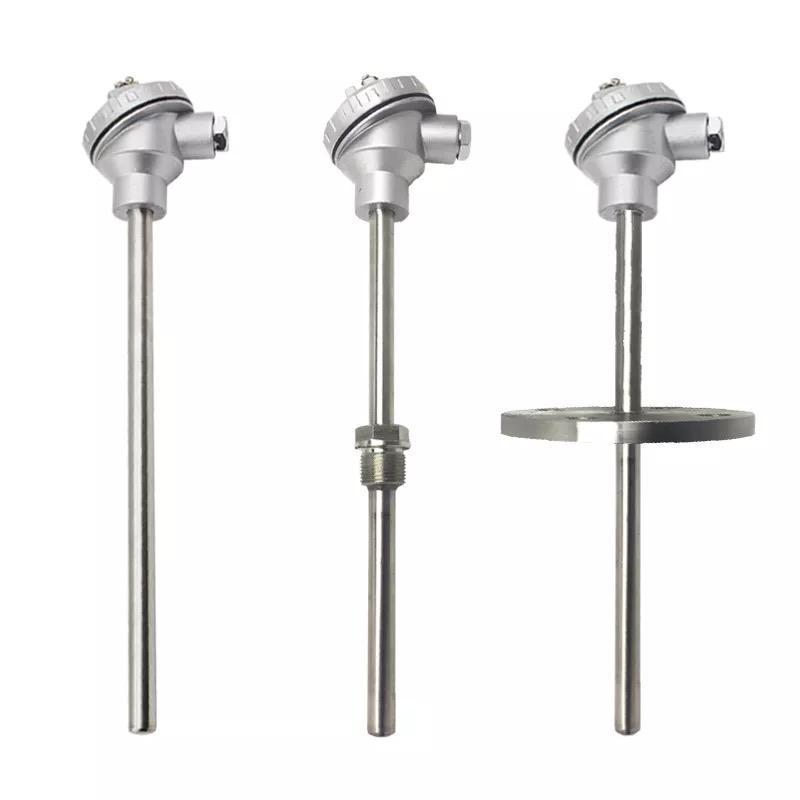
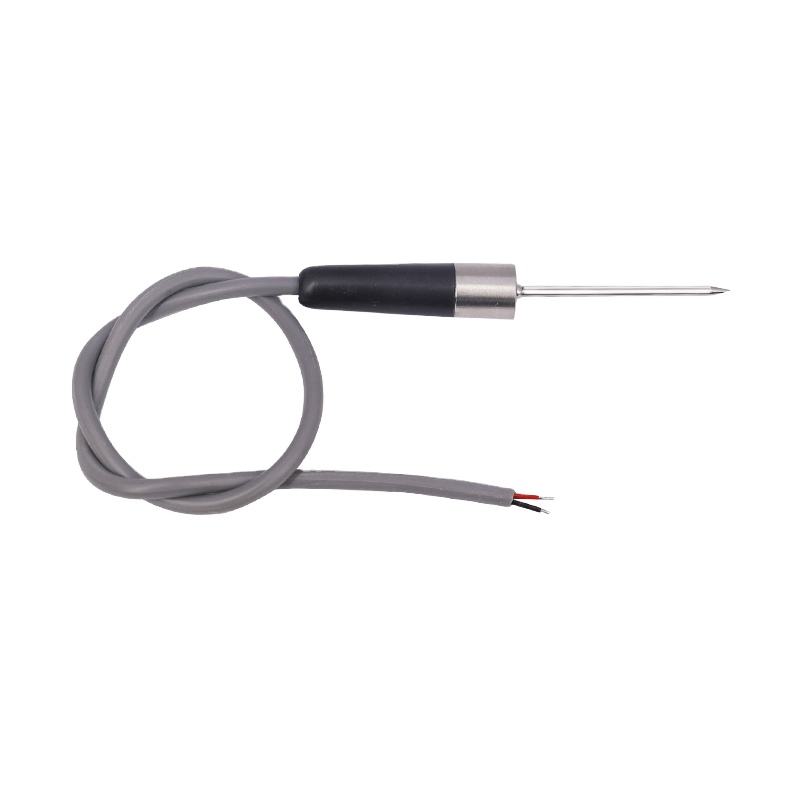
The performance characteristics of an industrial temperature sensor are largely determined by its internal construction, which typically involves a sensing element housed inside a protective sheath along with insulated lead wires connecting to a terminal head or transmitter. The sheath is generally responsible for shielding the delicate sensing element from process fluid exposure, mechanical vibration, and general wear caused by installation and contact with fittings, flanges, or thermowells.
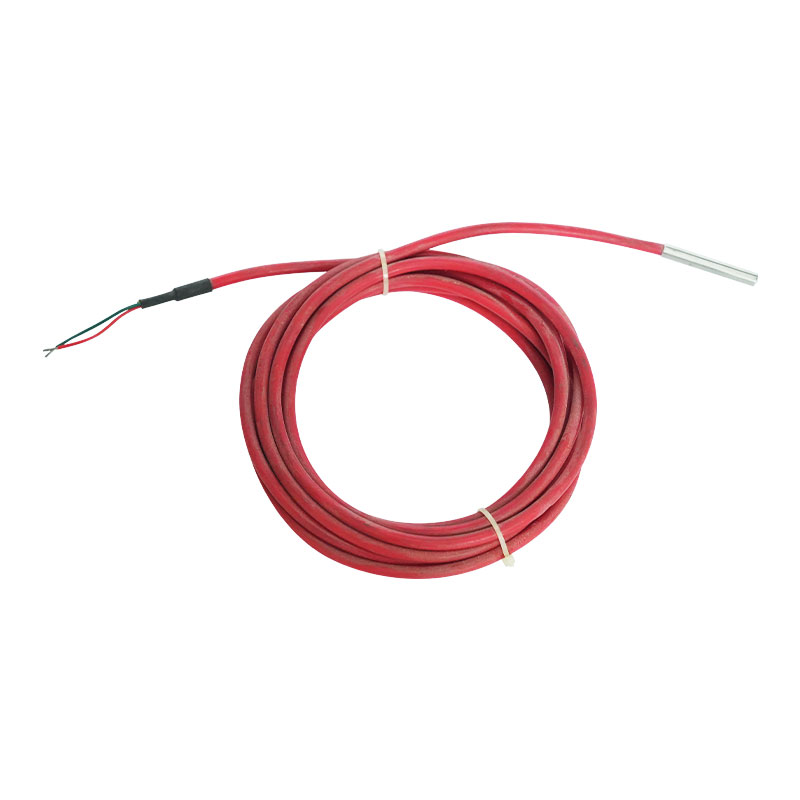
In many industrial-grade sensors, the sensing element is mineral insulated and compacted during manufacturing, a process that improves vibration resistance and thermal response consistency, allowing the sensor to maintain stable readings even in environments with mechanical shock. The lead wire insulation is also selected to match the expected temperature range, since standard plastic insulation degrades at temperatures where a fiberglass or ceramic-insulated lead would remain stable.
Some manufacturers further adjust sensor construction by adding a thermowell, a separate protective tube installed into the process itself that allows the sensor to be removed or replaced without draining or depressurizing the system, improving serviceability. A bare sensing element offers a faster response for general monitoring tasks, while a thermowell-protected configuration trades some response speed for the ability to service the sensor without process interruption, a distinction relevant in continuous production lines.
Core Construction Features
Mineral-insulated, compacted sensing element with protective metal sheath
Thermowell option for removal or replacement without process shutdown
Heat-resistant lead insulation matched to the process temperature range
Beyond reporting a single current reading, many industrial temperature sensors now connect into a broader monitoring system that logs readings continuously and applies trend analysis to detect gradual shifts before they become outright failures. A bearing that slowly warms over several weeks due to lubricant breakdown, for example, produces a temperature trend that a monitoring system can flag well before the bearing seizes, giving maintenance staff a window to schedule a repair during planned downtime rather than responding to an unplanned stoppage.
This predictive function depends on consistent data logging intervals, typically ranging from readings taken every few seconds in fast-changing processes to readings taken every several minutes in slower thermal systems such as storage tanks. Software layered on top of this raw data can compare current trends against historical baselines for the same equipment, identifying deviations that fall outside normal seasonal or load-based variation, which helps distinguish an early warning sign from ordinary fluctuation tied to changes in ambient temperature or production rate.
Manufacturing plants rely on temperature sensors across furnace and kiln monitoring, where maintaining a process within a narrow band directly affects product consistency, whether in metal heat treating, ceramics firing, or glass production. Chemical and pharmaceutical processing facilities use sensors extensively in reactor vessels and pipeline monitoring, where a temperature deviation can affect reaction rates or product stability, making accurate, continuously logged data a regulatory as well as operational requirement in many cases.
Power generation facilities monitor turbine bearings, transformer oil, and exhaust gas temperatures, often feeding this data into predictive maintenance programs that schedule inspections based on observed trends rather than a fixed calendar interval alone. Food processing operations use sensors to verify pasteurization and cooking temperatures reach required thresholds for safety compliance, while cold chain logistics operations track refrigerated transport and storage temperatures to confirm that perishable goods remain within an acceptable range throughout shipping and warehousing.
Matching a sensor to a specific industrial task generally starts with the expected temperature range and required accuracy, since a thermistor's fine accuracy at moderate temperatures becomes less relevant in a furnace application where a thermocouple's wider range and durability under thermal cycling matter more. Response time requirements also shape the choice, as a fast-cycling process benefits from a sensor with a shorter thermal response, while a slow, large-volume storage tank tolerates a slower-responding sensor without meaningful loss of monitoring accuracy.
Environmental conditions surrounding the installation point, including exposure to corrosive chemicals, vibration, or pressure, influence sheath material and mounting configuration decisions as well, so evaluating the full specification sheet against actual process conditions tends to matter more than focusing on a single figure such as accuracy or range in isolation.
Recommended Products
+86-181 1593 0076 (Amy)
+86 (0)523-8376 1478
[email protected]
No. 80, Chang'an Road, Dainan Town, Xinghua City, Jiangsu, China