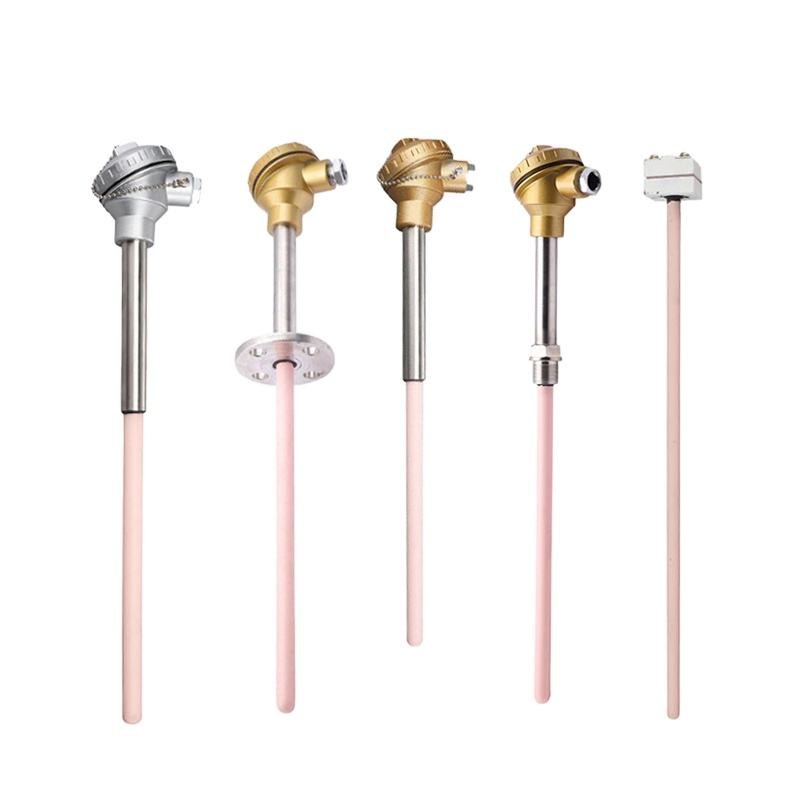
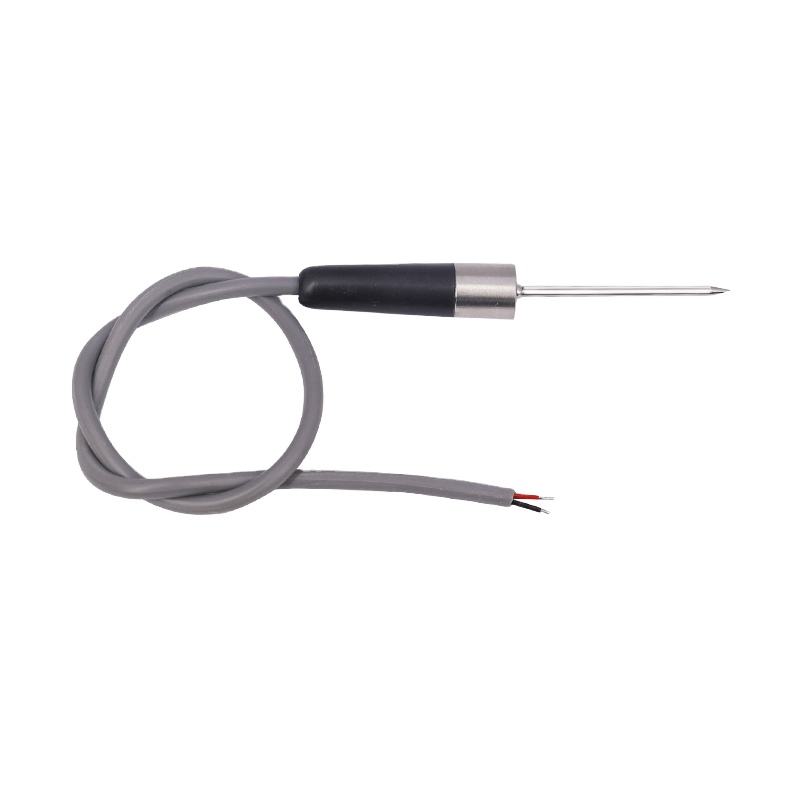
As industries around the world accelerate their transition toward more sustainable and energy efficient operations, the demand for precise, reliable, and intelligent measurement instrumentation has never been higher. Among the many devices supporting this transition, the high-precision rail temperature transmitter for carbon-neutral industrial operations has emerged as a critical component within modern process control systems. Designed to deliver highly accurate temperature readings while supporting the broader goals of energy optimization and emissions reduction, this type of instrument plays a foundational role in helping industrial facilities monitor, control, and ultimately reduce their environmental footprint. Understanding how these transmitters function, why precision matters, and how they contribute to carbon-neutral operational goals provides valuable insight for engineers, plant managers, and sustainability professionals evaluating instrumentation upgrades.
A rail temperature transmitter is a compact instrumentation device designed to mount directly onto standard DIN rail systems commonly found within industrial control cabinets. Its primary function is to receive an analog temperature signal from a connected sensor, such as a resistance temperature detector or thermocouple, convert that signal into a standardized output format, and transmit the processed data to a programmable logic controller, distributed control system, or other monitoring platform. This conversion and transmission process allows raw temperature data collected from process equipment, pipelines, storage tanks, or reactor vessels to be accurately interpreted and acted upon by the broader control system.
The high-precision designation refers to the transmitter's ability to process and relay temperature data with minimal error margin, ensuring that even small fluctuations in process temperature are captured and communicated accurately. In many industrial applications, particularly those involving sensitive chemical reactions, energy intensive thermal processes, or tightly controlled manufacturing environments, even minor temperature deviations can significantly impact product quality, safety, and energy consumption. High-precision rail temperature transmitters address this need by minimizing signal drift, reducing measurement noise, and maintaining consistent accuracy across a wide operating temperature range.
Several key technical features contribute to the exceptional accuracy delivered by high-precision rail temperature transmitters. Advanced signal conditioning circuitry plays a central role, filtering out electrical noise and interference that could otherwise distort the incoming sensor signal before it is converted into a usable output. This is particularly important in industrial environments where transmitters often operate in close proximity to motors, variable frequency drives, and other equipment capable of generating significant electromagnetic interference.
Many high-precision transmitters also incorporate digital signal processing capabilities, allowing for more sophisticated calibration adjustments, linearization of sensor response curves, and compensation for known sources of measurement error, such as lead wire resistance in resistance temperature detector configurations. This digital processing approach generally offers superior accuracy and stability compared to older analog only designs, while also enabling more flexible configuration options that can be adjusted to match the specific characteristics of different sensor types and installation conditions.
Stability over time is another critical performance factor, since even a highly accurate transmitter provides limited long term value if its calibration drifts significantly between maintenance intervals. Quality high-precision transmitters are engineered using stable electronic components and rigorous manufacturing quality control processes designed to minimize long term drift, helping facilities maintain consistent measurement accuracy over extended operational periods without requiring frequent recalibration.
The DIN rail mounting format offers several practical advantages that have contributed to its widespread adoption across industrial facilities. Standardized rail dimensions allow transmitters from various manufacturers to be installed within existing control cabinet infrastructure without requiring custom mounting solutions, simplifying both initial installation and future equipment upgrades or replacements. This standardization also supports more efficient use of control cabinet space, since multiple rail mounted transmitters can be installed in a compact, organized arrangement alongside other control system components.
Ease of installation and removal is another significant benefit of the rail mounted format. Maintenance personnel can typically install or replace a rail mounted transmitter quickly, using simple mechanical clips or fasteners rather than more complex mounting procedures, reducing both installation labor time and potential downtime during maintenance activities. This convenience becomes particularly valuable in larger industrial facilities where numerous temperature measurement points may require periodic transmitter replacement or recalibration over the operational lifetime of the plant.
Rail mounted transmitters are also typically designed with terminal block connections that simplify wiring during both initial installation and any subsequent troubleshooting or maintenance work. Clearly labeled terminals and standardized wiring configurations help reduce the likelihood of installation errors, while also making it easier for maintenance technicians to quickly verify proper connections during routine inspections or fault diagnosis procedures.
The connection between high-precision temperature measurement and carbon-neutral industrial operations may not be immediately obvious, but it becomes clear when considering how temperature data directly influences energy consumption and process efficiency across countless industrial applications. Many industrial processes, including thermal treatment, chemical reactions, and material processing operations, are highly sensitive to temperature conditions, with even small deviations potentially leading to increased energy consumption as systems compensate for measurement inaccuracies or operate with unnecessarily conservative safety margins.
By providing highly accurate real time temperature data, high-precision rail temperature transmitters enable more precise process control, allowing facilities to operate closer to optimal temperature setpoints without excessive safety buffers that often result in wasted energy. This improved precision supports more efficient heating and cooling cycles, reduces unnecessary energy expenditure associated with over correction or process instability, and ultimately contributes to lower overall energy consumption across the facility, directly supporting broader carbon reduction and sustainability objectives.
Accurate temperature monitoring also plays an important role in predictive maintenance strategies, which themselves contribute to carbon-neutral operational goals. By continuously monitoring precise temperature trends across critical equipment, facilities can identify early signs of inefficiency, such as gradually increasing energy consumption associated with developing mechanical issues, before these problems escalate into more significant energy wasting failures. This proactive approach to maintenance, enabled by reliable high-precision measurement data, helps facilities maintain equipment in an optimally efficient operating condition, further reducing the overall carbon footprint associated with industrial operations.
Modern high-precision rail temperature transmitters are typically designed for seamless integration with digital energy management and industrial automation platforms, supporting the broader trend toward data driven sustainability initiatives within industrial facilities. Many transmitters offer standardized communication protocols, allowing temperature data to be easily incorporated into centralized monitoring dashboards alongside other critical process and energy consumption metrics. This integrated visibility enables facility managers and sustainability teams to identify correlations between temperature control performance and overall energy usage patterns, supporting more informed decision making around process optimization initiatives.
The ability to feed accurate, real time temperature data into advanced control algorithms, including predictive and adaptive control systems, further enhances the potential for energy optimization. These advanced control strategies rely heavily on high quality input data to make effective real time adjustments to heating, cooling, and process control systems, and the accuracy provided by high-precision transmitters directly supports the reliability and effectiveness of these optimization efforts. As facilities increasingly adopt artificial intelligence and machine learning based process optimization tools, the quality and precision of underlying sensor data, including temperature measurements, becomes an increasingly important factor in achieving meaningful energy efficiency improvements.
Industrial environments often present significant environmental challenges, including temperature extremes, vibration, humidity, and exposure to dust or corrosive substances, all of which can impact the long term reliability of sensitive electronic instrumentation. High-precision rail temperature transmitters designed for demanding industrial applications typically incorporate robust housing materials and protective enclosures capable of withstanding these challenging conditions while maintaining consistent measurement performance.
Wide operating temperature ranges are particularly important for transmitters installed in facilities with significant seasonal temperature variation or those located near high temperature process equipment. Quality transmitters are engineered to maintain stable performance across these wide ambient temperature ranges, ensuring that the accuracy of the temperature measurement itself is not compromised by fluctuations in the surrounding installation environment. This reliability under varying conditions is essential for facilities seeking consistent, dependable data to support their carbon-neutral operational strategies over the long term.
Electrical isolation features are also commonly incorporated into high-precision transmitter designs, protecting sensitive measurement circuitry from electrical transients, ground loops, and other electrical disturbances common in industrial power systems. This isolation not only protects the transmitter itself from potential damage but also helps maintain measurement accuracy by preventing electrical noise from corrupting the temperature signal as it passes through the transmitter and onward to the connected control system.
High-precision rail temperature transmitters find application across a broad range of industrial sectors pursuing carbon-neutral operational goals. In chemical and petrochemical processing facilities, precise temperature control is essential for maintaining reaction efficiency, product quality, and process safety, all of which benefit directly from accurate, reliable temperature data. Energy intensive processes within these facilities often represent significant opportunities for energy optimization, making high-precision measurement instrumentation a valuable tool in broader emissions reduction strategies.
Power generation facilities, including those transitioning toward renewable and low carbon energy sources, also rely heavily on precise temperature monitoring across various stages of energy production and distribution infrastructure. Accurate temperature data supports both operational efficiency and equipment longevity, contributing to more sustainable long term facility operation. Similarly, manufacturing facilities across industries such as food processing, pharmaceuticals, and materials production increasingly rely on high-precision temperature transmitters to support energy efficient thermal processing while maintaining strict product quality and safety standards.
District heating and cooling systems, which play an increasingly important role in urban carbon reduction strategies, also depend on accurate temperature monitoring across distributed infrastructure networks. High-precision rail temperature transmitters installed throughout these systems help operators maintain optimal thermal efficiency across the entire network, reducing energy losses and supporting the broader sustainability objectives associated with centralized, efficient thermal energy distribution.
When evaluating high-precision rail temperature transmitters for facilities pursuing carbon-neutral operational goals, several factors deserve careful consideration. Measurement accuracy specifications, including stated error margins and long term stability ratings, should be closely reviewed to ensure the selected transmitter meets the precision requirements of the specific application. Compatibility with existing sensor types and control system communication protocols is equally important, ensuring smooth integration without requiring extensive additional infrastructure modifications.
Facilities should also consider the transmitter's compatibility with broader energy management and data analytics platforms, since the ability to seamlessly incorporate temperature data into centralized sustainability monitoring systems significantly enhances the practical value of high-precision measurement in supporting carbon reduction initiatives. Environmental durability specifications, including operating temperature range, ingress protection rating, and electrical isolation capabilities, should be matched carefully to the specific installation environment to ensure long term reliable performance.
Finally, buyers should consider the availability of technical support, calibration services, and documentation from the manufacturer, since these factors can significantly impact the long term maintainability and continued accuracy of the transmitter throughout its operational lifespan. Facilities investing in high-precision instrumentation as part of their carbon-neutral strategy benefit from selecting manufacturers with a demonstrated track record of quality, reliability, and ongoing technical support.
The high-precision rail temperature transmitter for carbon-neutral industrial operations represents a critical yet often understated component within the broader movement toward sustainable industrial practices. By delivering highly accurate, reliable temperature data, these transmitters enable more efficient process control, support predictive maintenance strategies, and integrate seamlessly with modern energy management systems, all of which contribute directly to reduced energy consumption and lower carbon emissions across industrial operations. As facilities across sectors continue to prioritize sustainability alongside operational performance, the role of high-precision measurement instrumentation, including rail mounted temperature transmitters, will remain an essential foundation for achieving meaningful, data driven progress toward carbon-neutral industrial goals.
Content
Recommended Products
+86-181 1593 0076 (Amy)
+86 (0)523-8376 1478
[email protected]
No. 80, Chang'an Road, Dainan Town, Xinghua City, Jiangsu, China