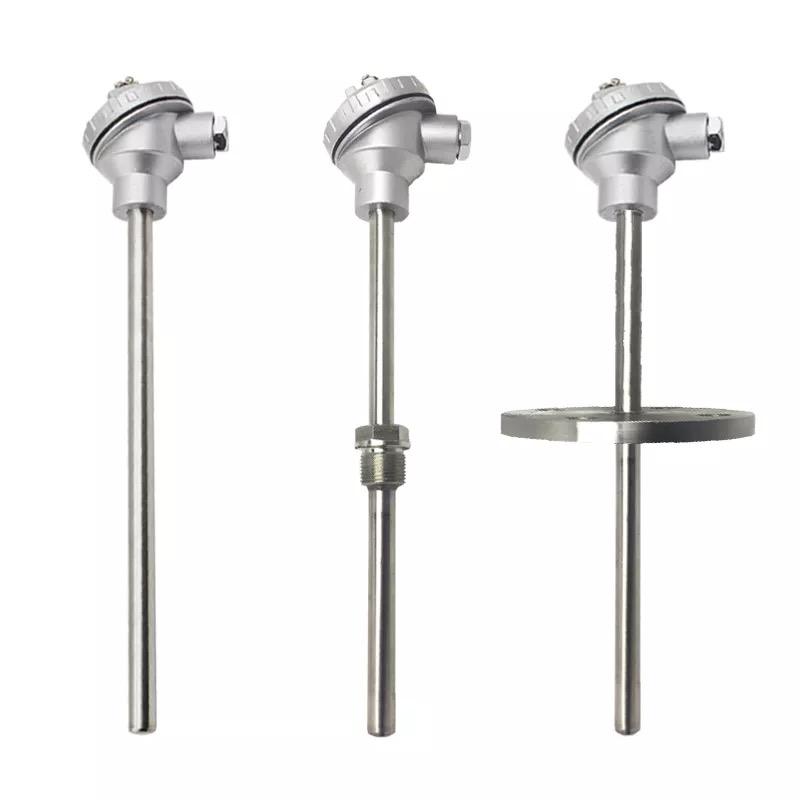
As manufacturing facilities around the world move toward carbon neutrality, the tools used to monitor and control thermal processes take on new significance. Among these tools, the high precision industrial bimetallic digital thermometer stands out as a quiet but essential contributor to energy efficiency, product quality, and even the wellbeing of the people who operate within these facilities every day. This guide explores what these instruments are, how they function, why they matter for sustainable production, and how their reliability ripples outward into a calmer, healthier workplace culture.
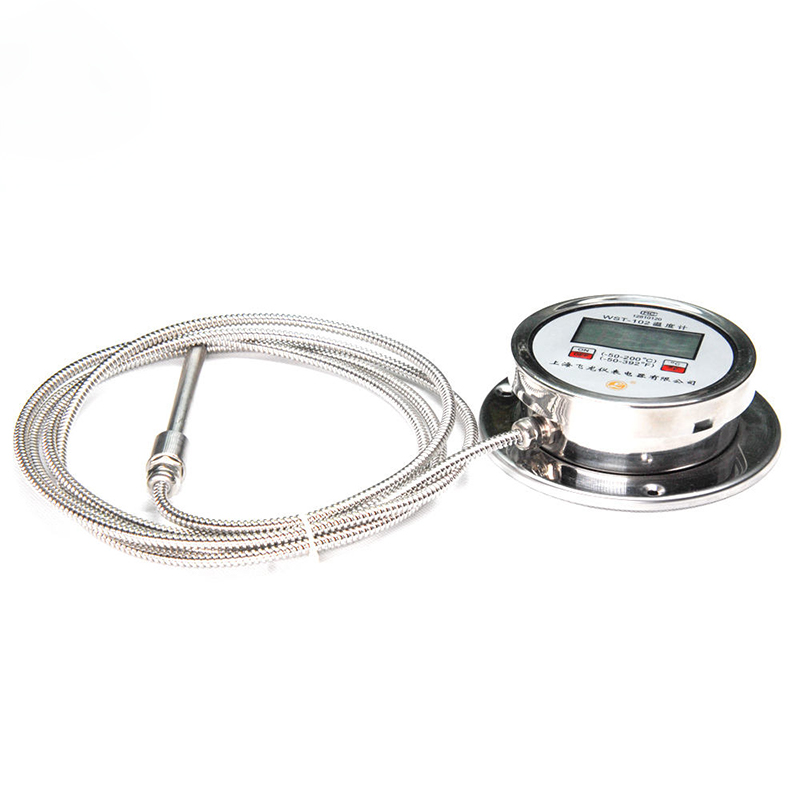
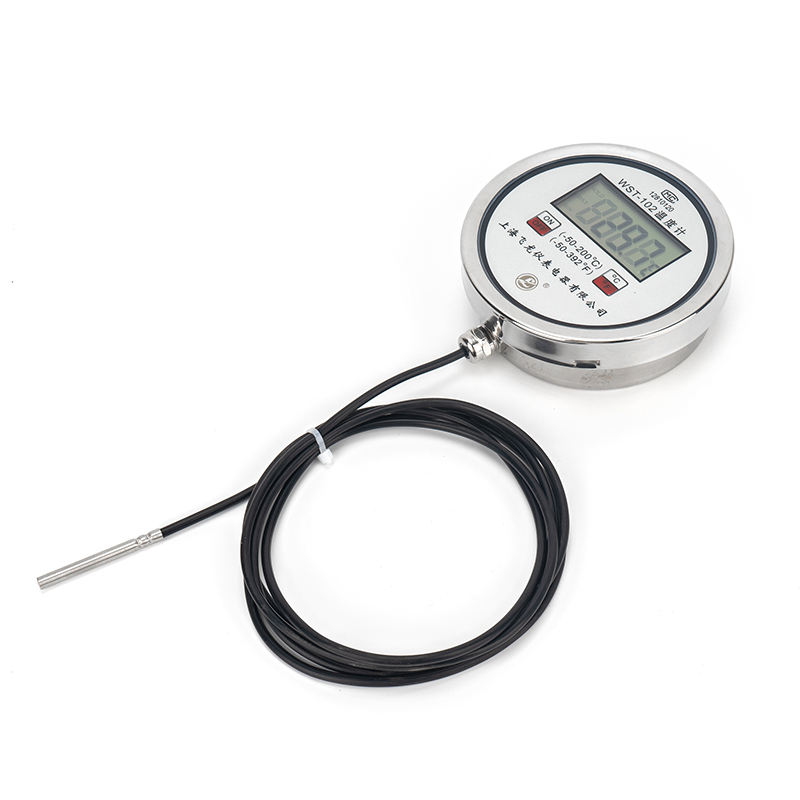
A bimetallic digital thermometer combines two long standing engineering principles into a single modern instrument. The bimetallic element itself relies on two different metals bonded together, each expanding at a different rate when heated. This differential expansion causes the strip to bend in a predictable, repeatable way, which has made bimetallic sensing a trusted method in industrial temperature measurement for generations. The digital component adds a modern layer, converting that physical movement into a precise electronic reading displayed on a clear digital screen, often with data logging, alarm thresholds, and connectivity to plant wide monitoring systems.
High precision versions of these instruments are built for environments where even small temperature deviations can affect product quality, safety, or energy consumption. Unlike basic analog dial thermometers, high precision digital models typically offer accuracy within a fraction of a degree, fast response times, and the ability to integrate directly into automated control loops. This makes them indispensable in industries such as food processing, chemical manufacturing, pharmaceuticals, metal fabrication, and increasingly, in the broader push toward carbon neutral production methods.
Carbon neutral manufacturing is not achieved through a single dramatic change, but through thousands of small, precise adjustments across a facility. Temperature control is one of the largest hidden contributors to industrial energy consumption. Boilers, ovens, reactors, and cooling systems all rely on accurate temperature feedback to operate efficiently. When a thermometer is imprecise, operators often compensate by running systems hotter or colder than necessary to create a margin of safety. This overcompensation wastes energy, increases emissions, and shortens equipment lifespan.
A high precision bimetallic digital thermometer removes the need for this kind of defensive overcompensation. Because the reading can be trusted down to a fraction of a degree, operators can run processes at the exact temperature required, no higher and no lower. Across a large facility running continuously, this level of precision can translate into meaningful reductions in fuel consumption, electricity use, and associated carbon emissions. Multiply this effect across an entire manufacturing sector, and the cumulative impact of precise thermometry becomes a genuine pillar of carbon reduction strategy, not merely a footnote.
Key insight: Every degree of unnecessary heating or cooling in an industrial process represents wasted energy. High precision temperature monitoring is one of the most cost effective ways to close that gap without requiring a full equipment overhaul.
At the heart of the instrument lies a coiled or spiral strip made from two metals with different thermal expansion coefficients, commonly a combination such as brass and steel or invar and steel. As temperature rises, the metals expand at different rates, causing the coil to twist. This mechanical movement is captured by a sensor and translated into an electrical signal.
The mechanical movement is converted through a transducer into a digital signal, which is then processed by onboard electronics. High precision models use advanced calibration algorithms to correct for minor mechanical inconsistencies, ensuring the displayed reading remains accurate across the entire operating range of the instrument.
Modern units feature backlit digital displays that remain readable in bright industrial environments or dim storage areas alike. Many include programmable units of measurement, historical data views, and simple navigation buttons that allow technicians to adjust settings without specialized training.
High end models often include wireless or wired connectivity, allowing temperature data to feed directly into a plant's central monitoring software. This enables real time alerts, historical trend analysis, and integration with broader energy management systems that track carbon output alongside temperature performance.
Because these instruments are often installed in demanding environments, from high heat furnaces to cold storage rooms, the housing is typically constructed from stainless steel or reinforced polymer with sealed gaskets to resist dust, moisture, and vibration.
| Type | Typical Application | Notable Feature |
|---|---|---|
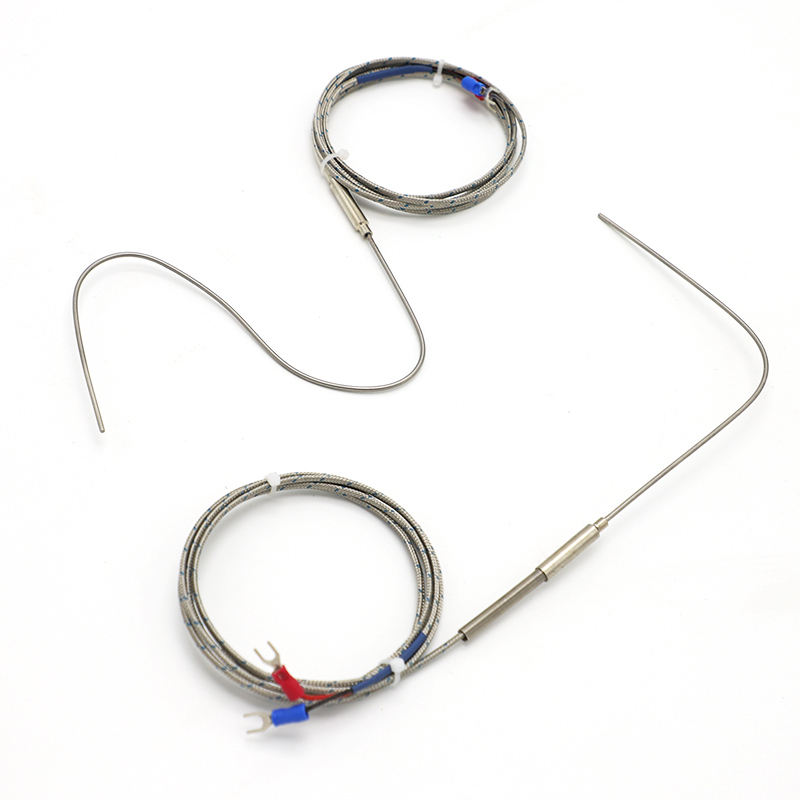
| Stem probe thermometer | Tanks, pipelines, vats | Long insertion stem for deep readings |
| Surface mount thermometer | Boilers, ovens, flat metal surfaces | Flush mounting for external temperature tracking |
| Panel mount thermometer | Control room displays | Integrated into centralized monitoring panels |
| Wireless remote thermometer | Large facilities with multiple monitoring points | Real time data transmission to central systems |
| Explosion proof thermometer | Chemical plants, refineries | Certified for hazardous atmosphere environments |
Choosing among these variations depends on the specific process being monitored. A stem probe model might be ideal for tracking the internal temperature of a chemical reactor, while a surface mount version could better serve a rolling mill that requires external temperature verification of metal sheets during production.
Beyond energy efficiency, precise temperature measurement directly affects product consistency. In food manufacturing, even a small deviation during pasteurization or baking can affect texture, safety, and shelf life. In metal fabrication, temperature precision during annealing or tempering determines the final hardness and durability of the material. In pharmaceutical production, strict temperature ranges are often required by regulatory bodies, and any deviation can compromise an entire batch.
A high precision bimetallic digital thermometer reduces the margin of error in all these scenarios, which in turn reduces waste. Fewer failed batches and rejected products mean less raw material consumption, less energy spent reprocessing goods, and a smaller overall environmental footprint. In this way, precision thermometry supports carbon neutrality not only through direct energy savings, but through waste reduction across the entire production chain.
Like any precision instrument, a bimetallic digital thermometer requires regular calibration to maintain its accuracy over time. Mechanical components can drift slightly due to repeated thermal cycling, vibration, or age, so a consistent calibration schedule is essential for both safety and sustainability goals.
Practical tip: Establishing a written calibration log not only supports regulatory compliance but also creates a long term data trail that can reveal gradual sensor drift before it becomes a costly problem.
It may seem unusual to discuss wellness in the context of industrial thermometers, yet the connection is real and worth examining closely. Manufacturing environments are often high pressure spaces where workers manage complex machinery, tight production schedules, and safety critical processes simultaneously. When instrumentation is unreliable, this uncertainty becomes a persistent source of stress for the people responsible for keeping operations running smoothly.
Consider a technician overseeing a furnace or reactor with an imprecise or unreliable thermometer. Every reading becomes a small moment of doubt. Is the temperature actually what the display shows, or is there hidden drift that could lead to a safety incident, a failed batch, or an unplanned shutdown. This kind of low level, repeated uncertainty throughout a work shift contributes to what occupational health researchers describe as chronic low grade stress, a state that, over months and years, can affect sleep quality, concentration, and overall physical health.
A high precision bimetallic digital thermometer directly addresses this hidden stressor. When workers trust their instrumentation completely, the mental burden of constant double checking and second guessing is lifted. This aligns closely with wellness principles that emphasize environmental predictability as a foundation for mental calm, much like how an orderly home or a consistent daily routine supports emotional balance in personal life. In an industrial setting, that same principle applies to the tools workers depend on every single day.
When temperature readings are dependable, operators can focus their mental energy on higher level process optimization rather than constantly cross checking readings against secondary instruments. This reduction in cognitive load throughout a long shift supports better decision making, fewer errors, and reduced end of day mental fatigue.
Many manufacturing facilities operate around the clock, meaning workers often carry the mental residue of their shift home with them. A technician who spent eight hours worrying about a potentially inaccurate temperature reading is more likely to experience disrupted sleep and lingering anxiety after clocking out. Reliable instrumentation reduces this carryover stress, supporting better rest and recovery, which in turn supports long term physical and mental health.
Overheating equipment, chemical reactions running outside safe temperature ranges, or undetected cooling failures can all pose direct physical risks to workers. Precise, dependable thermometry reduces the likelihood of these preventable incidents, contributing to a physically safer environment. Physical safety and mental wellness are deeply intertwined, since a workplace perceived as genuinely safe fosters a calmer, more focused workforce overall.
When management invests in high quality, precise instrumentation rather than relying on outdated or inconsistent equipment, it sends a clear message to the workforce that their safety and daily experience matter. This organizational trust contributes to a healthier workplace culture, reduced turnover, and improved morale, all of which are recognized components of occupational wellness.
Wellness in an industrial context is not only about ergonomic chairs or break room amenities. It is equally shaped by whether the tools workers rely on every day function predictably, allowing the mind to remain calm rather than braced for hidden failure.
Facilities pursuing carbon neutrality often implement comprehensive energy management systems that track emissions across every stage of production. High precision bimetallic digital thermometers play a supporting role in these broader systems by feeding accurate, real time data into centralized dashboards. This data allows engineers to identify inefficiencies, adjust setpoints with confidence, and demonstrate measurable progress toward emissions targets.
Low cost thermometers often sacrifice calibration stability and long term durability. In a carbon neutral strategy where precision directly translates into energy savings, a slightly higher upfront investment frequently pays for itself many times over.
Even the most well built instrument will drift over time without proper calibration. Skipping this maintenance step undermines both safety and sustainability goals.
Installing a standard thermometer in a hazardous or corrosive environment without proper certification can lead to premature failure or, in worst cases, safety incidents. Always match the instrument's rating to the specific environment.
A precise thermometer that is not connected to a broader monitoring system provides limited strategic value. Facilities pursuing carbon neutrality should prioritize models with reliable connectivity options.
Facilities sometimes focus purely on technical specifications while overlooking how instrument reliability affects worker confidence and daily stress levels. A holistic approach considers both engineering performance and workplace wellbeing.
Selecting the appropriate high precision bimetallic digital thermometer requires a careful assessment of your specific operational needs. Consider the following questions before making a purchase decision:
Answering these questions thoughtfully leads to a more strategic purchase decision, one that supports not only immediate operational needs but also long term sustainability and workplace wellness goals.
Many industrial grade models achieve accuracy within a fraction of a degree, though exact specifications vary by manufacturer and intended application. Always review the specific accuracy rating before purchase.
Yes, provided the specific model is certified for the relevant hazard classification, such as explosion proof ratings for chemical processing environments. Always confirm certification before installation.
By eliminating the need for operators to overcompensate with excess heating or cooling, precise readings allow processes to run at exactly the required temperature, reducing unnecessary energy consumption and associated emissions.
Most modern units are designed with intuitive interfaces that require minimal training, though calibration and advanced data integration features may benefit from manufacturer provided instruction.
A high precision industrial bimetallic digital thermometer is a small instrument with a surprisingly large impact. It supports carbon neutral manufacturing by eliminating wasteful overcompensation in thermal processes, protects product quality by ensuring consistent conditions, and, perhaps less obviously, contributes to a calmer, healthier workplace by removing a persistent source of hidden stress for the people who rely on it every day. As industries continue their transition toward more sustainable production methods, investing in dependable, precise instrumentation should be viewed not as a minor technical upgrade, but as a meaningful step toward both environmental responsibility and genuine workplace wellness. When equipment performs predictably, both the planet and the people behind the machines benefit.
Content
Recommended Products
+86-181 1593 0076 (Amy)
+86 (0)523-8376 1478
[email protected]
No. 80, Chang'an Road, Dainan Town, Xinghua City, Jiangsu, China