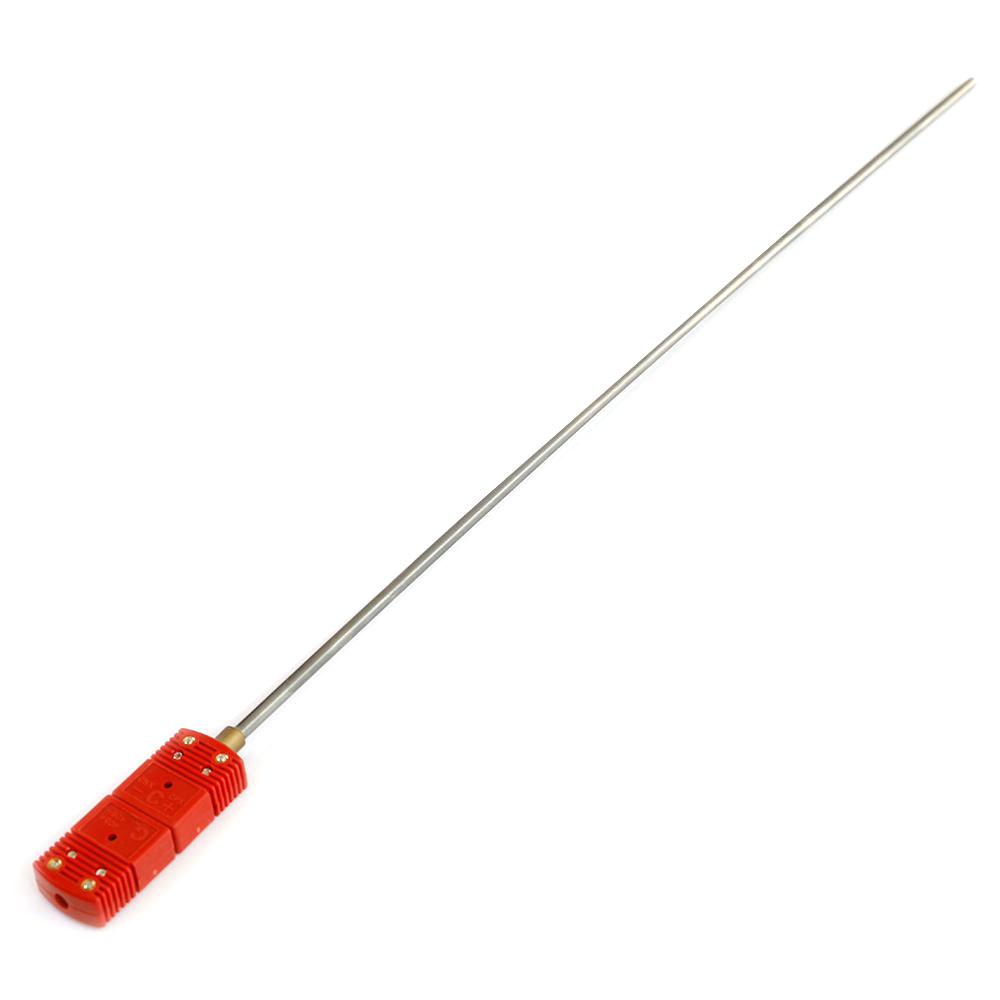
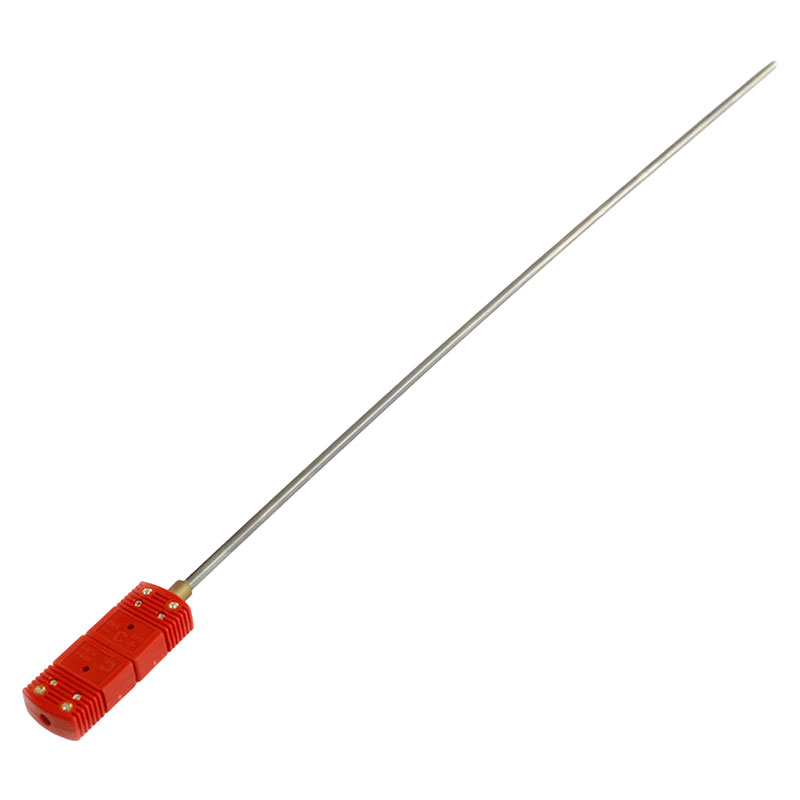
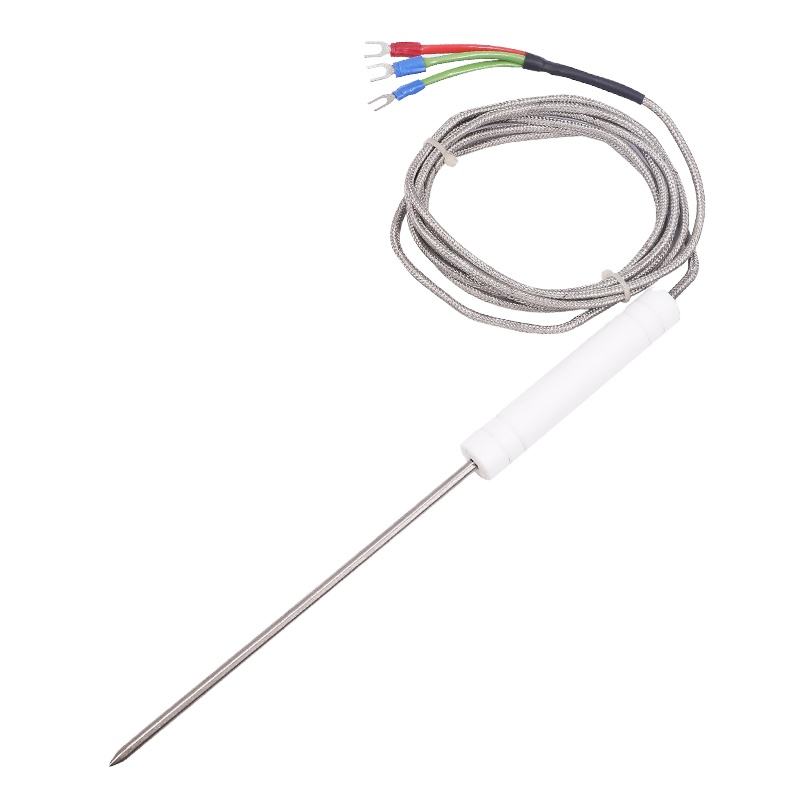
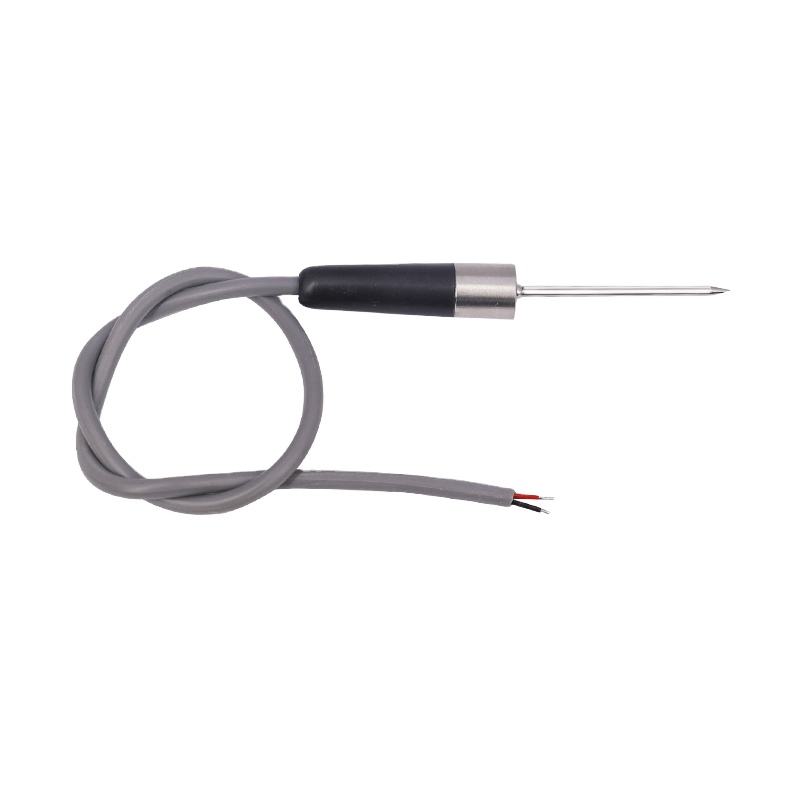
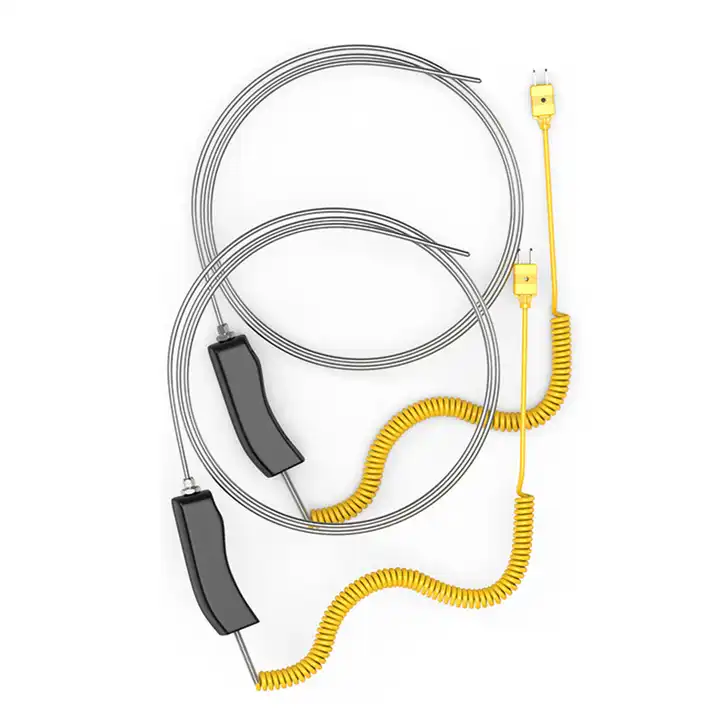
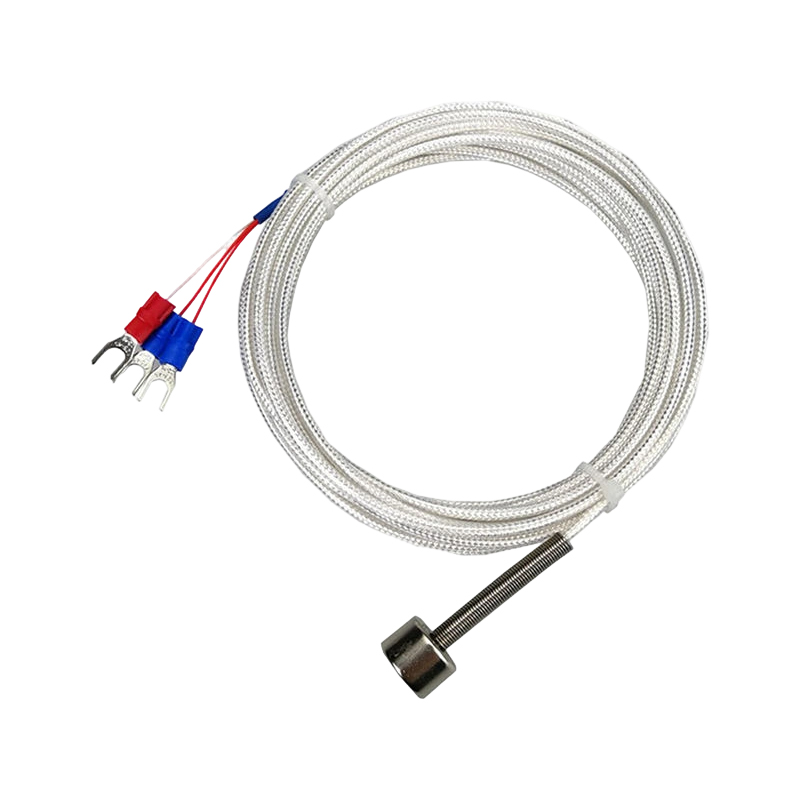
For most industrial applications, RTDs (Resistance Temperature Detectors) offer the best balance of accuracy and stability for ranges between -200°C and 600°C, while thermocouples remain the preferred choice for extreme temperatures up to 1800°C and rapid response requirements. The correct sensor depends on temperature range, required accuracy, environmental conditions, and response time — not on cost alone. Selecting the wrong sensor type is one of the leading causes of process instability and unplanned downtime in manufacturing plants.
Thermocouples generate a voltage from the junction of two dissimilar metals. They are rugged, inexpensive, and capable of measuring extremely high temperatures, making them common in furnaces, kilns, and exhaust monitoring. Type K thermocouples, the most widely used variant, typically offer an accuracy of ±2.2°C or ±0.75% of the reading, whichever is greater.
RTDs measure temperature through the predictable change in electrical resistance of a metal, usually platinum. A standard Pt100 sensor delivers accuracy as tight as ±0.1°C, making it the standard choice in pharmaceutical, food processing, and calibration-critical environments.
Thermistors use ceramic or polymer materials whose resistance changes sharply with temperature. They offer high sensitivity over a narrow range (typically -50°C to 150°C) and are widely used in HVAC systems, motor winding protection, and battery monitoring.
Infrared sensors measure emitted radiation without physical contact, making them ideal for moving parts, molten metal, or hazardous surfaces. They are commonly deployed in steel production, electrical switchgear monitoring, and conveyor systems where contact sensors would be impractical or unsafe.
| Sensor Type | Temperature Range | Typical Accuracy | Response Time | Relative Cost |
|---|---|---|---|---|
| Thermocouple (Type K) | -200°C to 1260°C | ±2.2°C | Fast (0.1-10s) | Low |
| RTD (Pt100) | -200°C to 600°C | ±0.1°C to ±0.3°C | Moderate (1-50s) | Medium |
| Thermistor | -50°C to 150°C | ±0.05°C to ±1.5°C | Fast (0.5-5s) | Low |
| Infrared | -50°C to 3000°C | ±1% to ±2% | Very Fast (<1s) | High |
Beyond temperature range and accuracy, several practical factors determine whether a sensor will perform reliably in the field:
In practice, a chemical processing plant handling corrosive fluids at moderate temperatures will typically choose a sheathed Pt100 RTD with a Hastelloy protection tube, while a steel mill monitoring molten metal above 1500°C has little choice but to use Type B or Type R thermocouples, or infrared pyrometers for non-contact measurement.
Even a high-quality sensor can produce inaccurate readings if installed incorrectly. Insertion depth is critical: a general rule is that the probe should be inserted to a depth of at least 10 times its diameter into the process medium to minimize stem conduction error. Thermowells should fit snugly around the sensor, since air gaps significantly slow response time and reduce accuracy.
Routine calibration against a certified reference standard is essential — most industrial standards recommend calibration checks every 6 to 12 months, or more frequently in safety-critical or high-precision applications such as pharmaceutical sterilization. Drift of even 0.5°C in a food safety or chemical reaction process can lead to product rejection or safety violations, so maintaining a calibration log with traceable records is a standard requirement in ISO 9001 and FDA-regulated facilities.
| Error Source | Effect | Corrective Action |
|---|---|---|
| Insufficient insertion depth | Reading lower than actual process temperature | Increase probe length or reposition thermowell |
| Lead-wire resistance (RTD) | Offset error over long cable runs | Use 3-wire or 4-wire RTD configuration |
| Junction contamination (thermocouple) | Drift and unstable readings | Replace probe; avoid mixing incompatible metals |
| Emissivity mismatch (infrared) | Inaccurate surface temperature reading | Calibrate emissivity setting to target material |
Wireless and IoT-enabled temperature sensors are increasingly replacing hardwired systems in large facilities, reducing installation costs by up to 30-40% while enabling real-time predictive maintenance through cloud-based monitoring platforms. Smart transmitters with built-in diagnostics can now detect sensor drift and wiring faults automatically, alerting maintenance teams before a measurement error affects production quality.
As industrial facilities move toward Industry 4.0 integration, the ability to combine accurate temperature data with analytics software is becoming as important as sensor accuracy itself — turning temperature sensors from simple measurement devices into key components of a broader predictive maintenance strategy.
Content
Recommended Products
+86-181 1593 0076 (Amy)
+86 (0)523-8376 1478
[email protected]
No. 80, Chang'an Road, Dainan Town, Xinghua City, Jiangsu, China