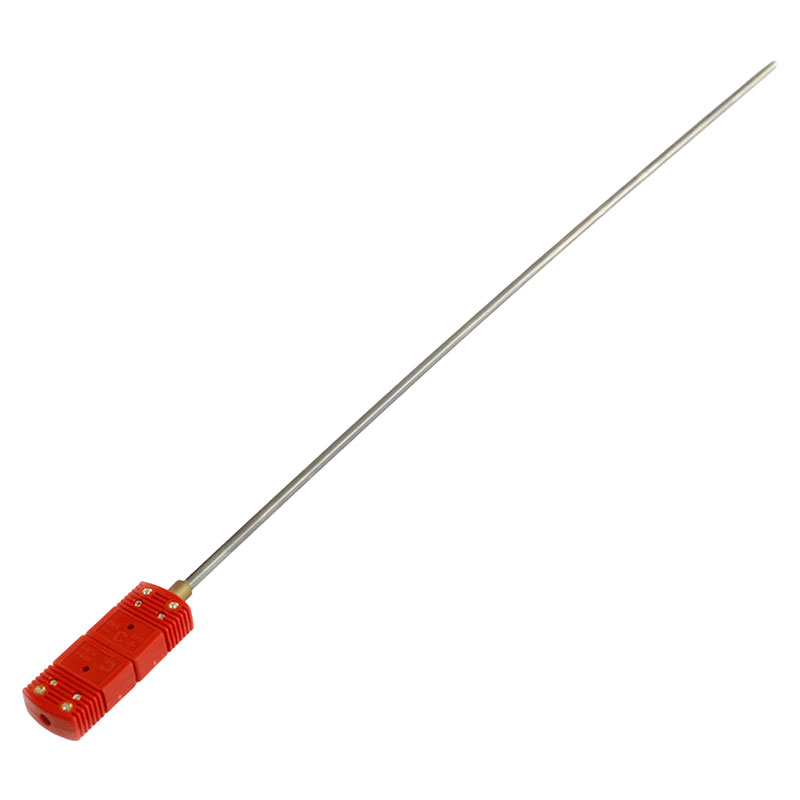
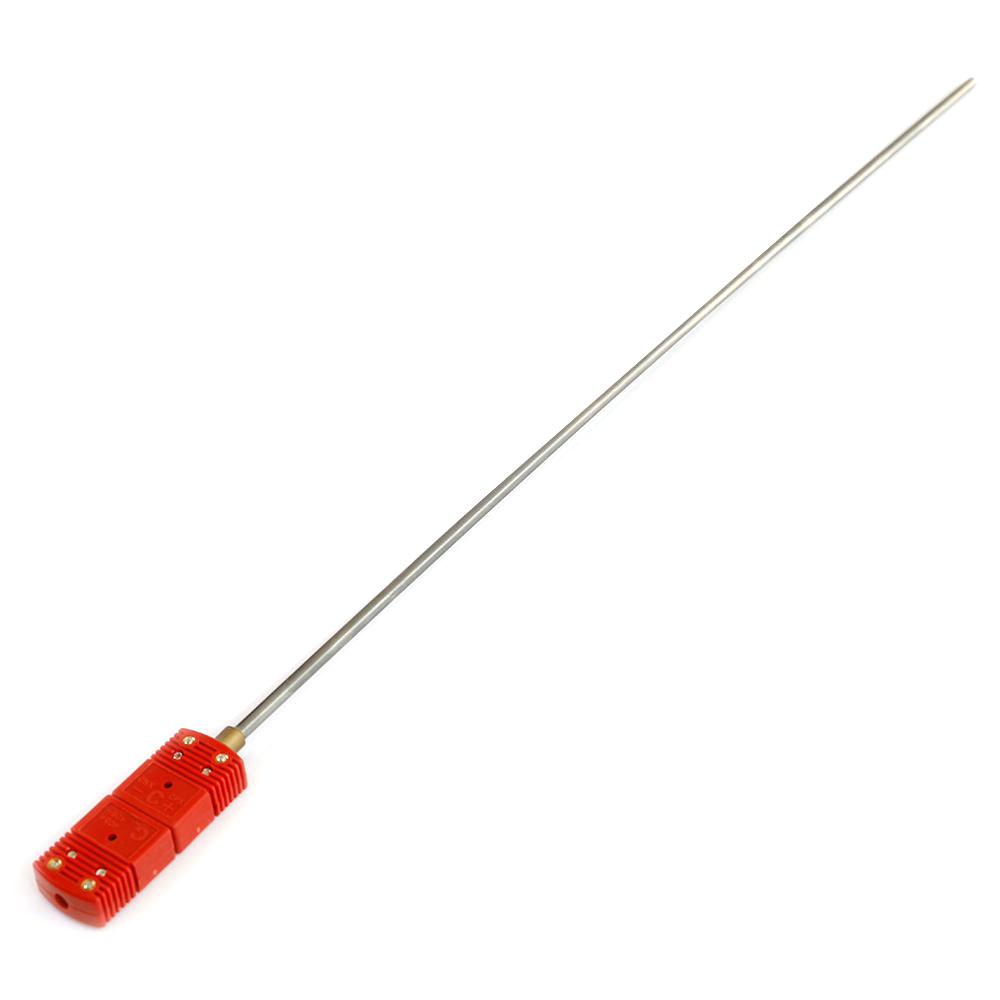
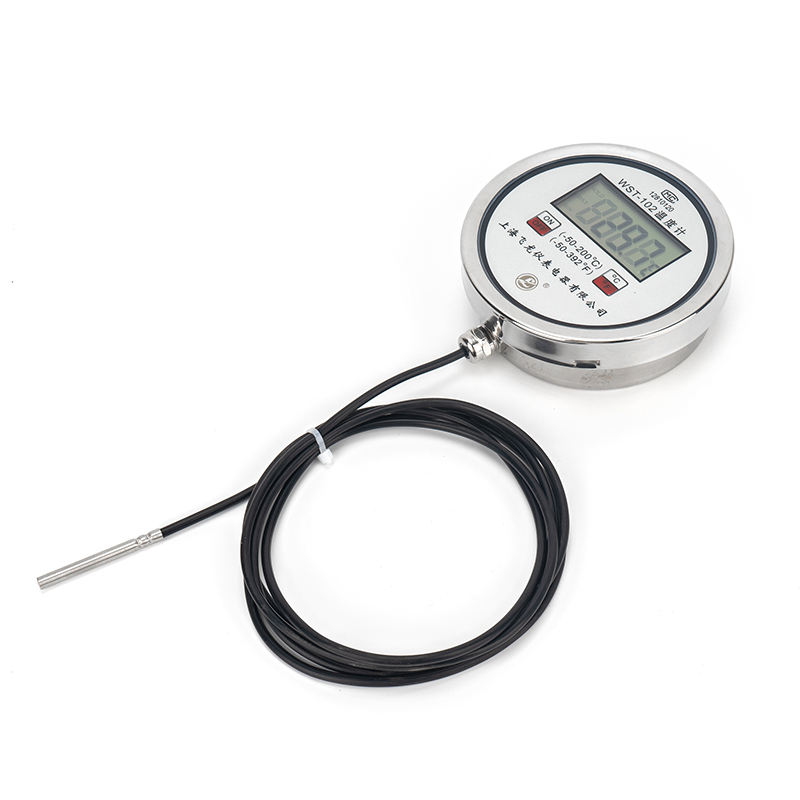
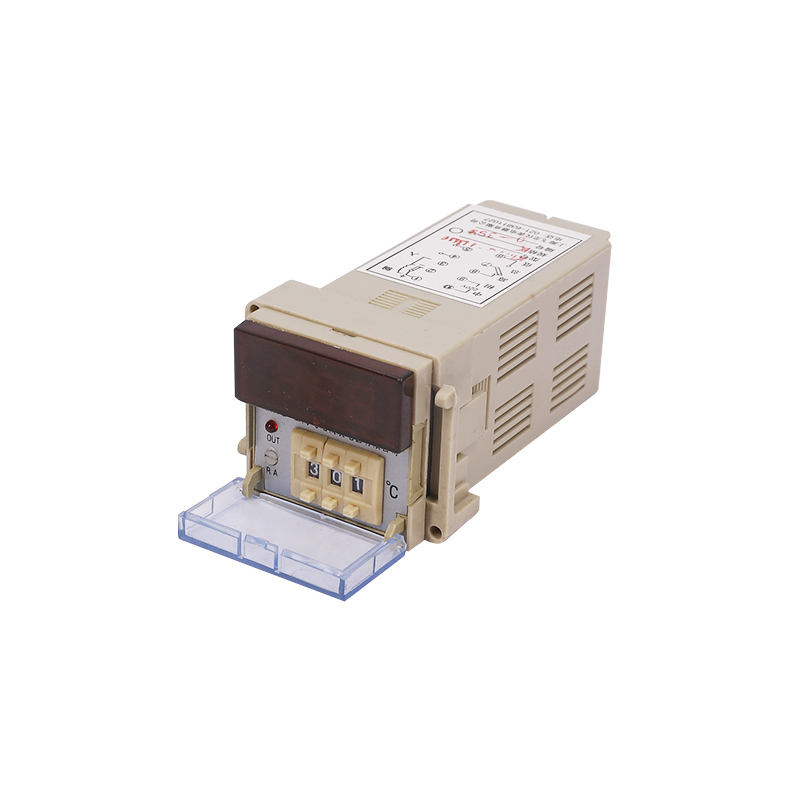
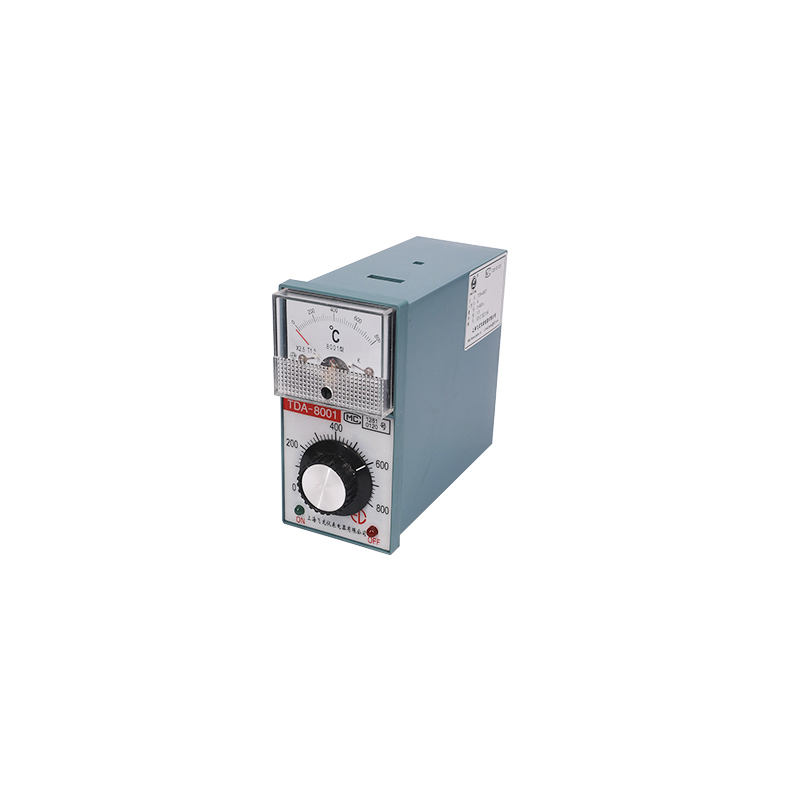
Heavy equipment temperature sensors continuously monitor the engine coolant, engine oil, and hydraulic fluid, feeding real-time data to the machine's control module so it can warn the operator — or trigger an automatic shutdown — before heat damage occurs. This matters because heat is one of the fastest ways to destroy expensive components: overheated coolant warps cylinder heads and blows head gaskets, overheated engine oil loses viscosity and stops protecting bearings, and overheated hydraulic fluid accelerates seal degradation and pump wear. A functioning sensor network is what turns a slow, invisible failure into an early warning the operator can act on.
The rest of this guide breaks down each sensor type, where it's located, what it protects, and how to recognize when one is failing.
Most heavy equipment — excavators, skid steers, wheel loaders, dozers — uses several dedicated temperature sensors rather than one general sensor, because each fluid system has a different safe operating range and a different failure mode.
| Sensor Type | Location | What It Protects |
|---|---|---|
| Coolant temperature sensor | Engine cooling system | Cylinder heads, head gaskets, pistons |
| Engine oil temperature sensor | Oil pan or oil galley | Bearings, camshaft, crankshaft journals |
| Hydraulic fluid temperature sensor | Hydraulic reservoir or filter base | Seals, pumps, motors, valve bodies |
| Cylinder head temperature sensor | Cylinder head | Engine thermal load, early overheat detection |
| Transmission/differential fluid sensor | Transmission or differential housing | Gear sets, clutch packs, fluid viscosity |
Coolant sensors monitor both the temperature and, in many systems, the flow of coolant circulating through the engine. If temperature rises past the safe threshold, the control module typically triggers the cooling fan first and, if the temperature keeps climbing, issues a warning or forces a shutdown. On some skid steers and compact track loaders, a faulty coolant sensor has been reported to trigger a false high-temperature shutdown within minutes of startup — even in cold weather — which looks like an overheating engine but is actually a sensor reading error.
The engine oil temperature sensor (often abbreviated EOT or OTS) reports oil temperature to the control module so it can calculate oil viscosity under real operating conditions. This data feeds decisions on fuel injection timing, cooling fan activation, and — on many diesel-powered machines — engine protection limits. When this sensor fails, the control module usually falls back on coolant temperature to estimate oil viscosity, which is less accurate and can allow the engine to run outside its ideal lubrication range without triggering a warning.
Hydraulic systems run at high pressure and generate significant heat through fluid friction, especially under continuous heavy load. A hydraulic temperature sensor — usually mounted at the filter base or reservoir — monitors fluid temperature to prevent accelerated seal degradation, viscosity breakdown, and pump or motor wear that occur when hydraulic oil runs hot for extended periods. Many machines pair this sensor with an automatic hydraulic cooling fan that engages once the fluid crosses a set threshold.
Sensor failures don't always look like sensor failures — they often mimic real overheating problems, which leads operators to chase the wrong repair. The clearest sign of a faulty sensor rather than genuine overheating is a mismatch between the gauge reading and reality: a manual temperature check on the engine block or hydraulic line showing normal heat while the dash gauge or alarm reads dangerously high.
A genuine overheating event, by contrast, usually comes with corroborating signs: reduced engine power, unusual smells, visible steam, or a gauge reading that climbs gradually under load rather than spiking instantly.
Temperature sensors are inexpensive relative to what they protect — a sensor replacement typically costs a small fraction of the repair bill for a seized hydraulic pump, warped cylinder head, or scored engine bearings. Because these components form part of a continuous monitoring network feeding the control module, a single failed sensor can either cause unnecessary downtime through false shutdowns or, worse, mask a real developing problem until it becomes catastrophic. Routine inspection of sensor wiring and periodic verification against manual temperature checks is a low-cost way to keep the monitoring system — and the equipment it protects — reliable over the machine's service life.
Content
Recommended Products
+86-181 1593 0076 (Amy)
+86 (0)523-8376 1478
[email protected]
No. 80, Chang'an Road, Dainan Town, Xinghua City, Jiangsu, China