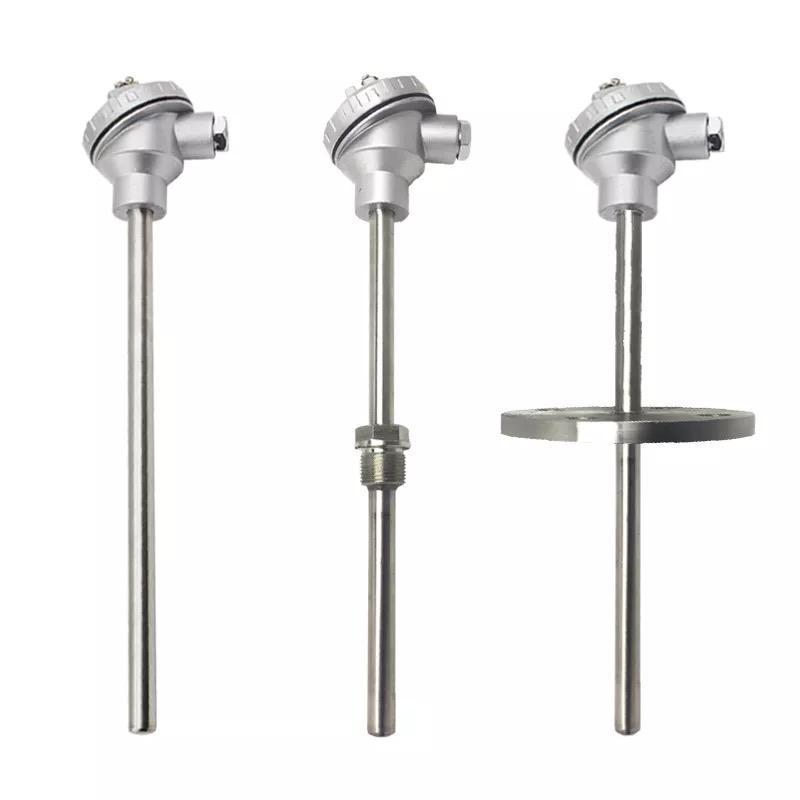
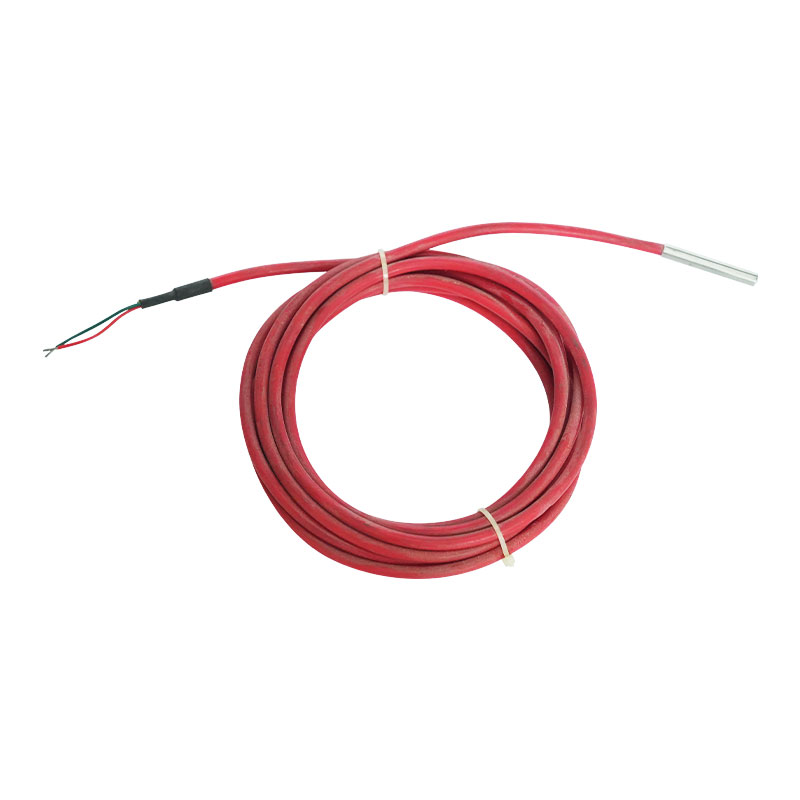
As manufacturers race toward carbon neutrality, precise thermal control has become a critical lever for reducing energy waste and improving process efficiency. High-precision intelligent temperature transmitters sit at the heart of this transformation, delivering the accuracy, connectivity, and diagnostic capability needed to optimize energy-intensive processes across production facilities.
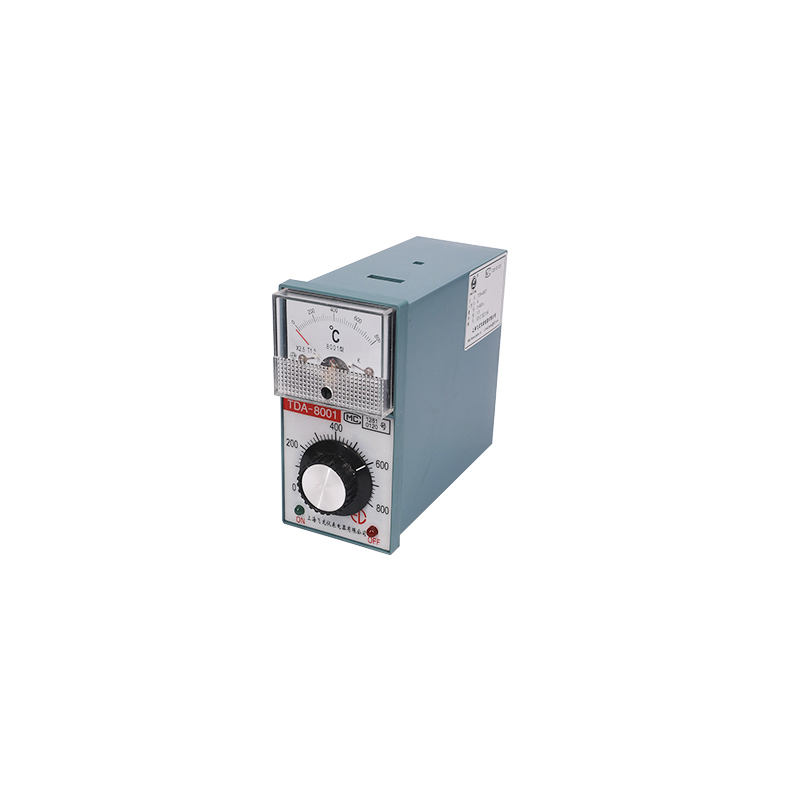
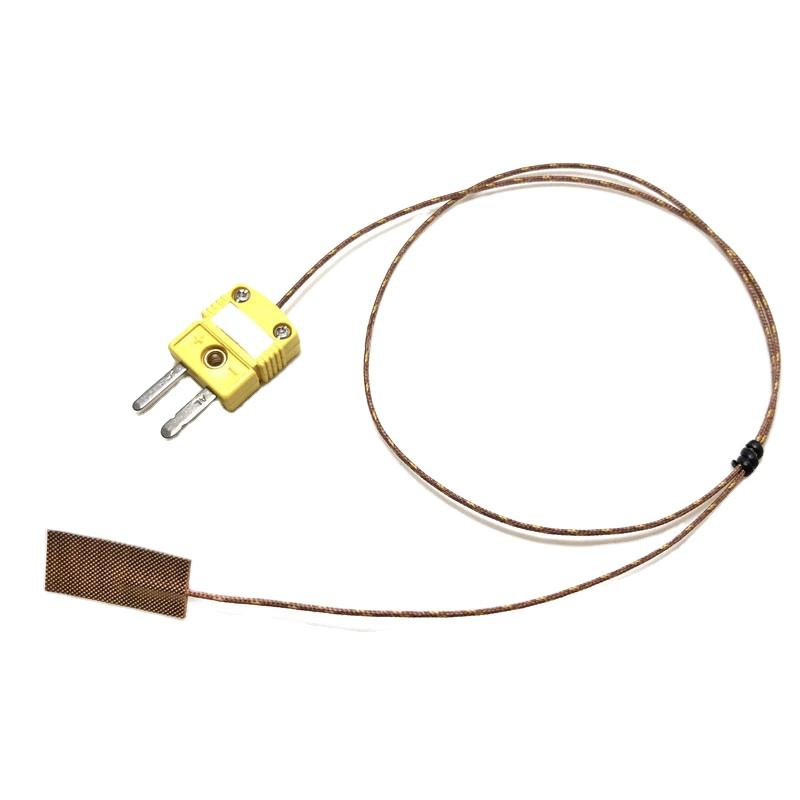
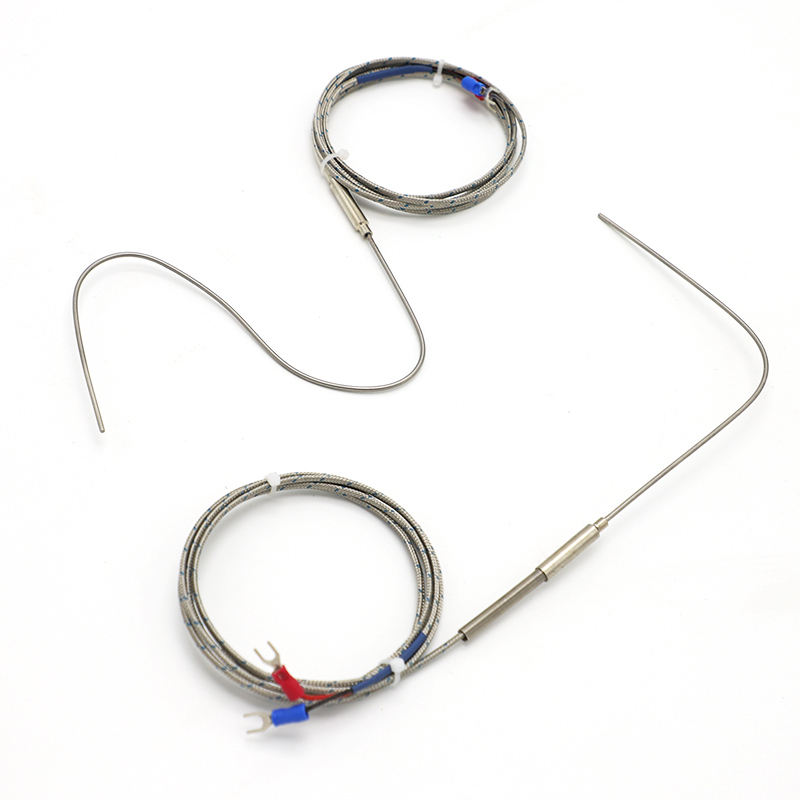
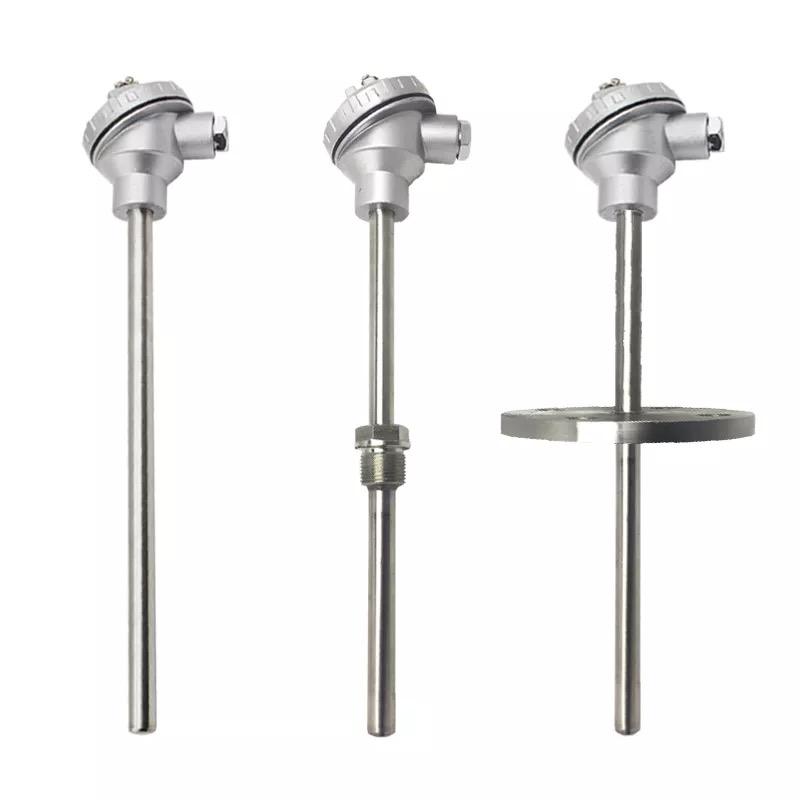
An intelligent temperature transmitter is a field device that converts a signal from a temperature sensor, such as a resistance temperature detector or thermocouple, into a standardized, accurate output that can be read by control systems. Unlike basic analog transmitters, intelligent versions incorporate embedded microprocessors, allowing them to perform signal linearization, self-diagnostics, and digital communication with plant automation networks.
High-precision variants distinguish themselves through tighter accuracy tolerances, reduced drift over time, and advanced compensation algorithms that correct for ambient conditions and sensor aging. This level of measurement fidelity is increasingly essential in manufacturing environments where even small temperature deviations can translate into significant energy losses or product quality issues.
| Feature | Benefit for Carbon-Neutral Operations |
|---|---|
| High Accuracy Class | Minimizes measurement error, allowing tighter control loops and lower energy overhead |
| Digital Communication Protocols | Enables real-time integration with energy management and building automation systems |
| Self-Diagnostics | Identifies drift or faults early, preventing inefficient process operation |
| Configurable Ranges | Supports process optimization across varied manufacturing stages without hardware changes |
| Wireless Connectivity Options | Reduces installation footprint and supports scalable monitoring across large facilities |
Modern intelligent transmitters typically support industrial communication standards such as HART, Modbus, Profibus, or wireless mesh networks. This connectivity allows transmitters to feed real-time temperature data directly into distributed control systems, manufacturing execution systems, and energy dashboards. In carbon-neutral manufacturing strategies, this integration is essential, since accurate thermal data must flow continuously into analytics platforms that track energy consumption, identify inefficiencies, and support automated optimization routines.
Some advanced transmitters also support edge computing capabilities, performing initial data processing locally before transmitting only relevant information upstream. This reduces network load while still providing plant engineers with the granular insight needed to fine-tune thermal processes for lower energy use.
Facilities pursuing carbon neutrality increasingly rely on continuous, granular temperature data to identify where energy is being wasted. High-precision transmitters contribute directly to this effort by feeding accurate, trustworthy data into energy management systems that calculate consumption patterns and flag anomalies. Over time, this visibility supports initiatives such as heat recovery optimization, insulation performance verification, and process scheduling adjustments that collectively reduce a facility's overall emissions footprint.
Beyond operational efficiency, accurate temperature data also strengthens sustainability reporting. Many regulatory frameworks and voluntary carbon reduction programs require verifiable process data, and intelligent transmitters with calibration traceability help manufacturers substantiate their energy efficiency claims with confidence.
What accuracy level is considered high precision
High-precision transmitters commonly offer accuracy within a fraction of a degree, though exact tolerances depend on the sensor type and application requirements.
How do these transmitters support emissions reduction
By minimizing measurement error, they allow control systems to operate closer to optimal setpoints, reducing unnecessary energy consumption tied to overheating or overcooling.
Can intelligent transmitters be retrofitted into existing systems
Many models are designed for compatibility with standard mounting configurations and communication protocols, making retrofitting into existing process lines feasible in most cases.
High-precision intelligent temperature transmitters play a pivotal role in advancing carbon-neutral manufacturing goals. By delivering accurate, real-time thermal data and seamless integration with modern control systems, these devices help facilities reduce energy waste, improve process efficiency, and build the verifiable data foundation needed for credible sustainability reporting.
Content
Recommended Products
+86-181 1593 0076 (Amy)
+86 (0)523-8376 1478
[email protected]
No. 80, Chang'an Road, Dainan Town, Xinghua City, Jiangsu, China