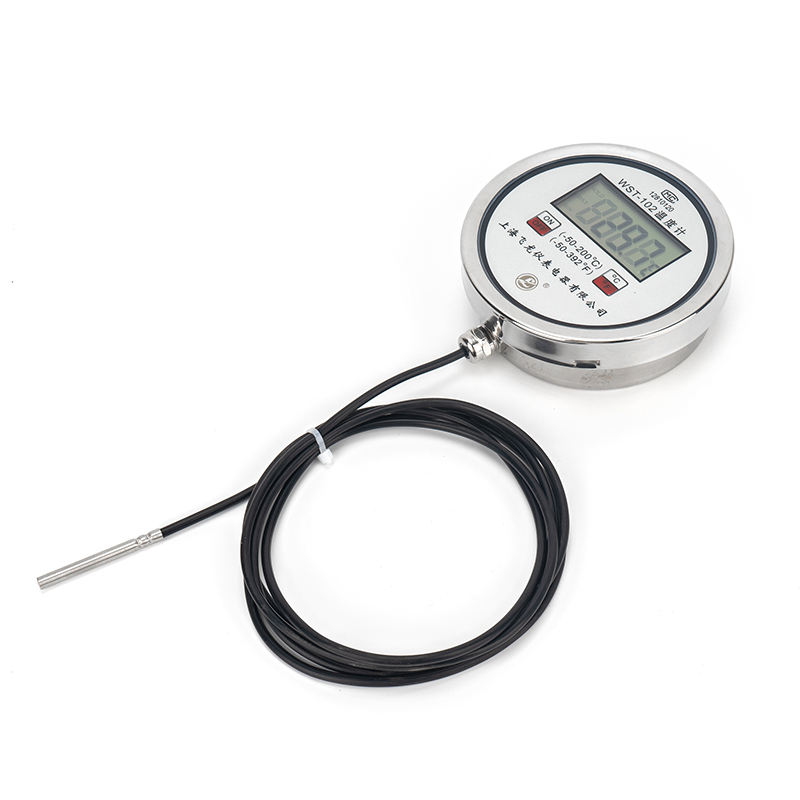
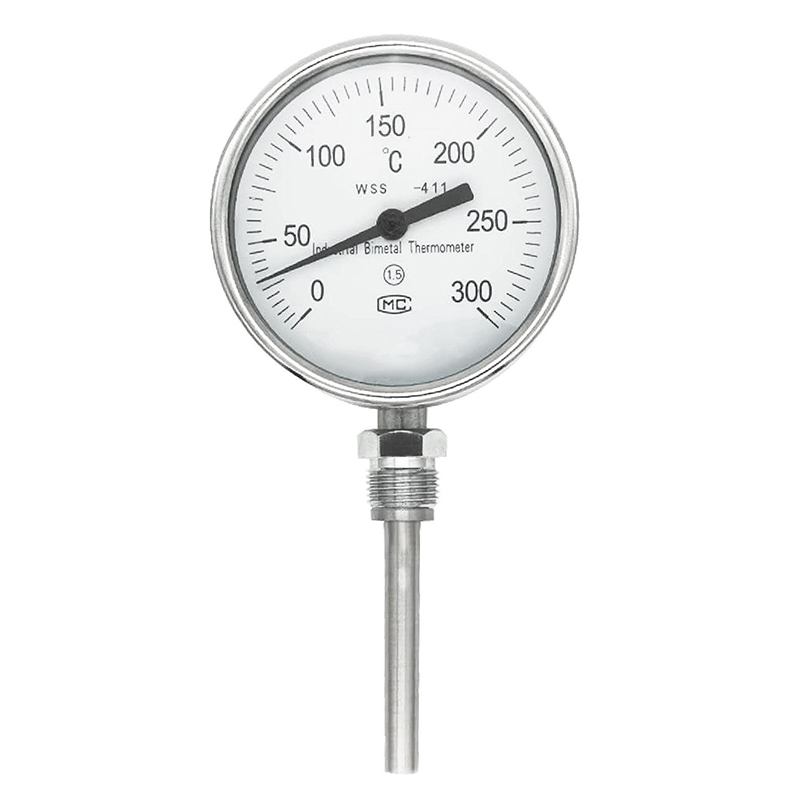
Sustainable industrial temperature monitoring combines low-power sensing hardware, renewable or energy-harvesting power sources, and intelligent data platforms to track thermal conditions across factories, warehouses, and process plants without the energy waste, cabling, and battery turnover that traditional systems require. As manufacturers face tighter emissions targets and rising energy costs, the way temperature data is collected has become almost as important as the data itself.
For decades, industrial temperature monitoring focused purely on accuracy and reliability — keeping ovens, chillers, reactors, and cold chains within safe operating ranges. Sustainability was rarely part of the conversation. That has changed. Facilities now run thousands of sensors across production lines, and the cumulative footprint of powering, maintaining, and eventually disposing of that hardware has real environmental and financial weight.
A sustainable approach asks a different set of questions: How much energy does the monitoring system itself consume? How many disposable batteries end up in landfill each year? Can the same sensor network that protects product quality also reduce the plant's overall carbon footprint by catching energy losses earlier?
Modern industrial temperature sensors increasingly rely on wireless protocols such as LoRaWAN, Zigbee, and Bluetooth Low Energy. These standards allow sensors to transmit readings using a fraction of the power required by older wired or Wi-Fi-based systems, extending battery life from months to several years and dramatically cutting the volume of replacement batteries needed across a large facility.
Some of the newest sensor designs eliminate batteries altogether. Thermoelectric generators capture the temperature differential at a pipe or machine surface and convert it directly into the electricity the sensor needs to operate. Vibration and ambient-light harvesting are also used in environments where small amounts of mechanical or solar energy are available, effectively making the monitoring point self-sustaining.
Transmitting raw data continuously is energy-intensive. Edge-enabled sensors now process readings locally and only send data when a value changes meaningfully or crosses a threshold. This reduces both power draw and network congestion, while still preserving the responsiveness needed for safety-critical processes.
Cuts cabling, installation waste, and standby power use across large facilities.
Removes disposable batteries from hard-to-reach or hazardous monitoring points.
Sends only meaningful data, lowering both energy and bandwidth consumption.
Centralize readings so plants can spot inefficiencies across multiple sites at once.
While the environmental motivation is significant, sustainable temperature monitoring systems also deliver measurable operational advantages that make them attractive on their own merits.
| Approach | Power Source | Typical Lifespan | Sustainability Profile |
|---|---|---|---|
| Wired thermocouples | Mains power | 10–15 years | High install footprint, low operating waste |
| Battery-powered wireless sensors | Replaceable battery | 2–5 years per battery | Moderate; depends on battery recycling practices |
| Energy-harvesting sensors | Thermal, vibration, or solar harvesting | 10+ years, no battery swaps | High; minimal consumables and waste |
| RFID temperature tags | Passive (reader-powered) | Single-use to multi-year | High for reusable tags; low-cost tracking |
On production floors, sustainable sensor networks monitor motors, furnaces, and compressors continuously, flagging thermal anomalies that indicate friction, lubrication failure, or electrical faults — all of which waste energy if left unaddressed.
Refrigerated trucks, warehouses, and retail cold cases benefit from battery-free or long-life sensors that can be deployed at scale without generating mountains of electronic waste, while still providing the continuous logging that food safety regulations require.
Vaccine and biologics storage demands uninterrupted, auditable temperature records. Sustainable monitoring platforms reduce the environmental burden of compliance infrastructure while maintaining the strict data integrity these industries require.
In hazardous or hard-to-access areas, energy-harvesting sensors avoid the safety risks and labor costs associated with regular battery replacement, while still delivering the real-time data needed to prevent overheating incidents.
A monitoring system that itself wastes energy or generates unnecessary hardware turnover works against the very efficiency goals it is meant to support.
Sustainable monitoring is not without trade-offs. Energy-harvesting sensors typically cost more upfront and may have stricter installation requirements, since they depend on a sufficient temperature differential or vibration source to generate power. Wireless networks also need careful planning around signal interference in dense industrial environments. Facilities should weigh these constraints against the long-term savings in maintenance labor, battery waste, and energy consumption.
Artificial intelligence is increasingly layered on top of sustainable sensor networks, using historical thermal data to predict equipment failures and recommend energy-saving adjustments automatically. At the same time, advances in materials science are improving the efficiency of thermoelectric harvesters, making fully self-powered sensors viable in a wider range of industrial settings. Together, these trends point toward monitoring infrastructure that not only protects operations but actively contributes to a facility's broader sustainability goals.
Content
+86-181 1593 0076 (Amy)
+86 (0)523-8376 1478
[email protected]
No. 80, Chang'an Road, Dainan Town, Xinghua City, Jiangsu, China