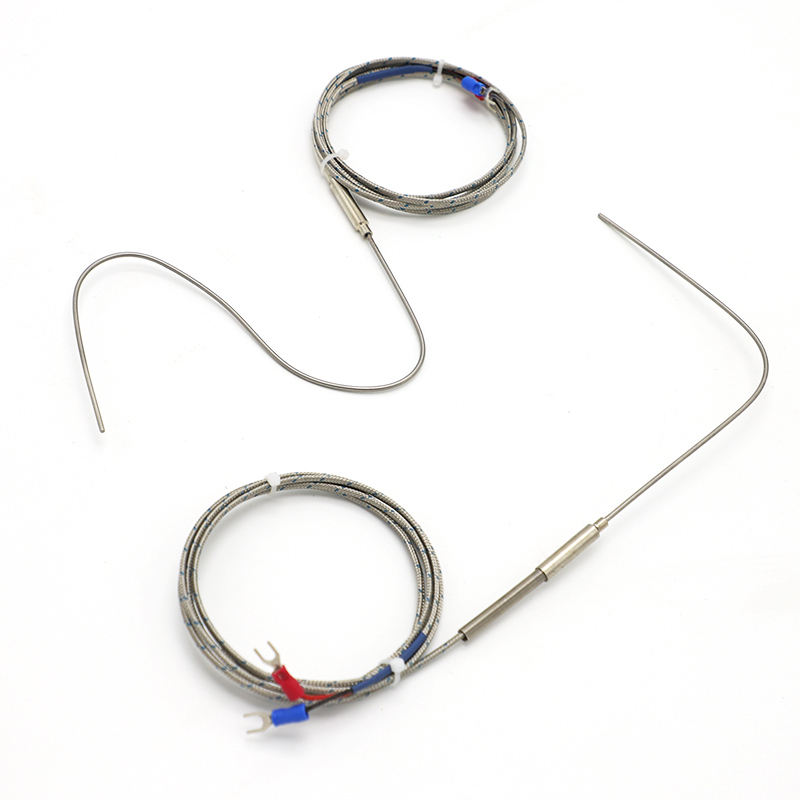
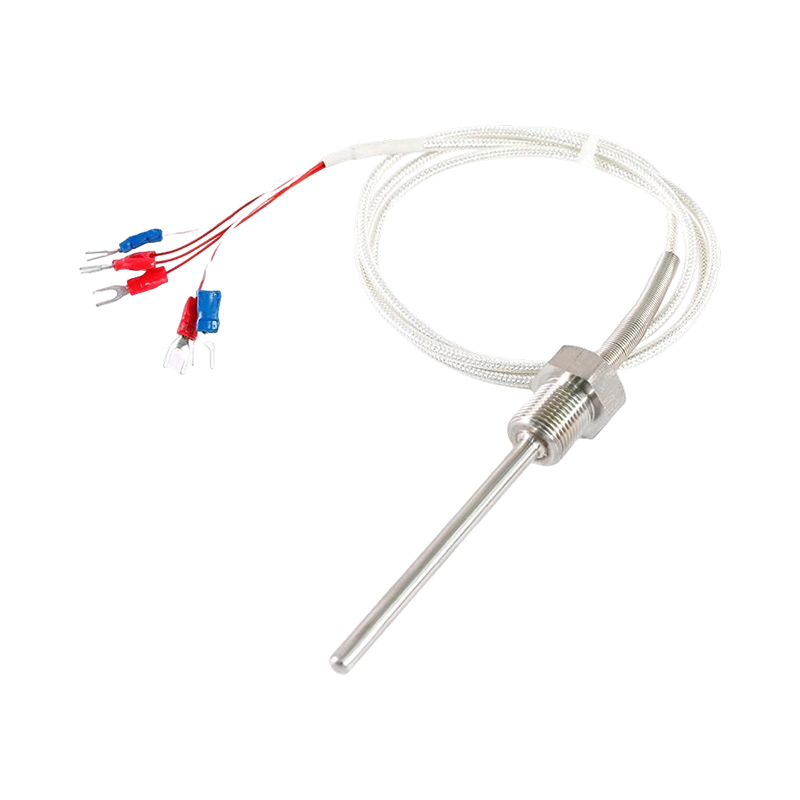
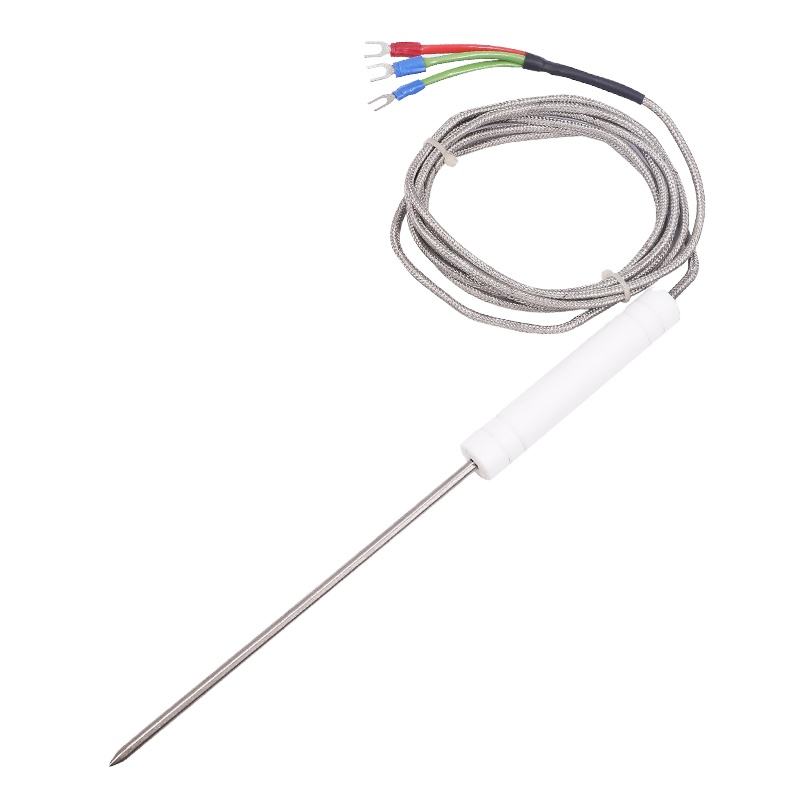
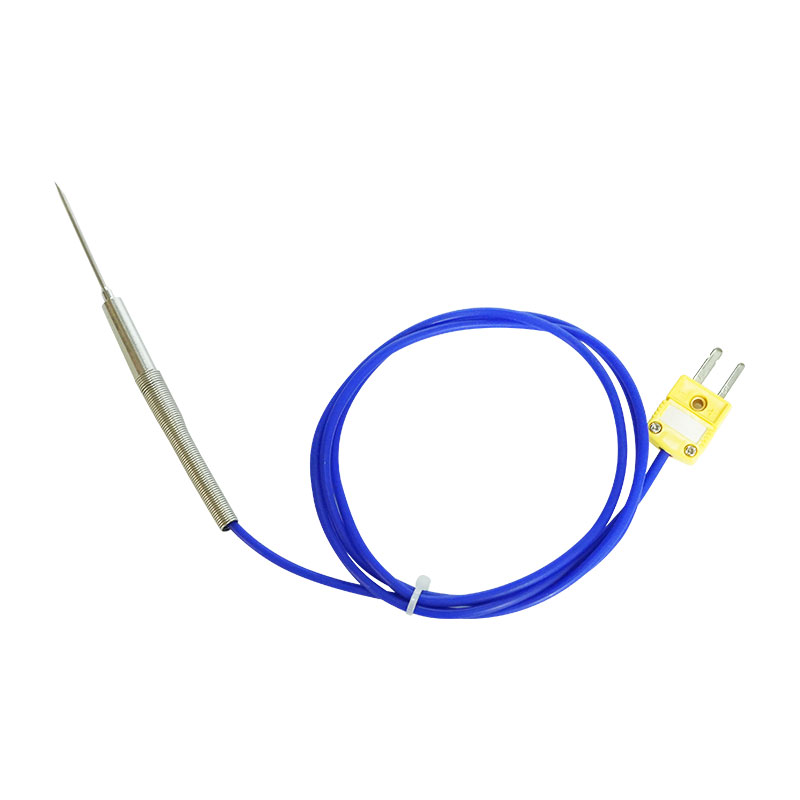
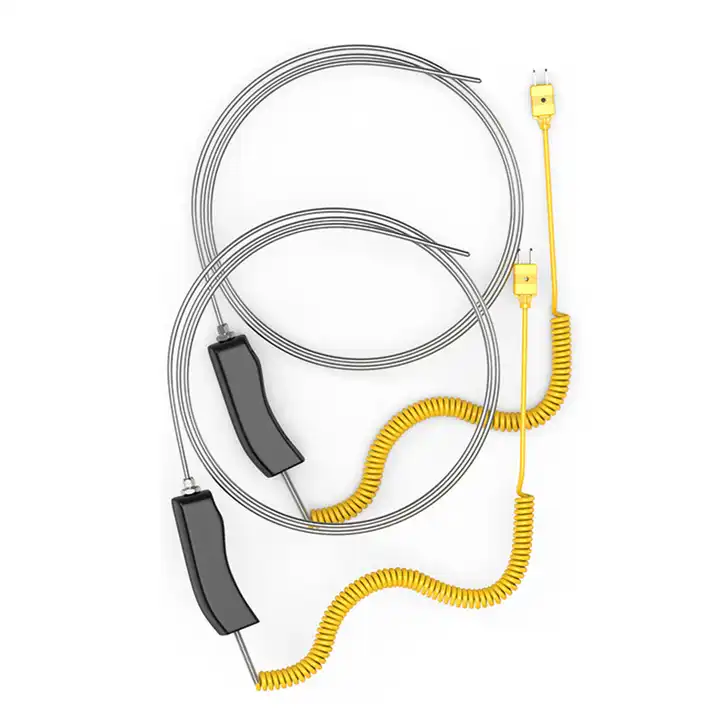
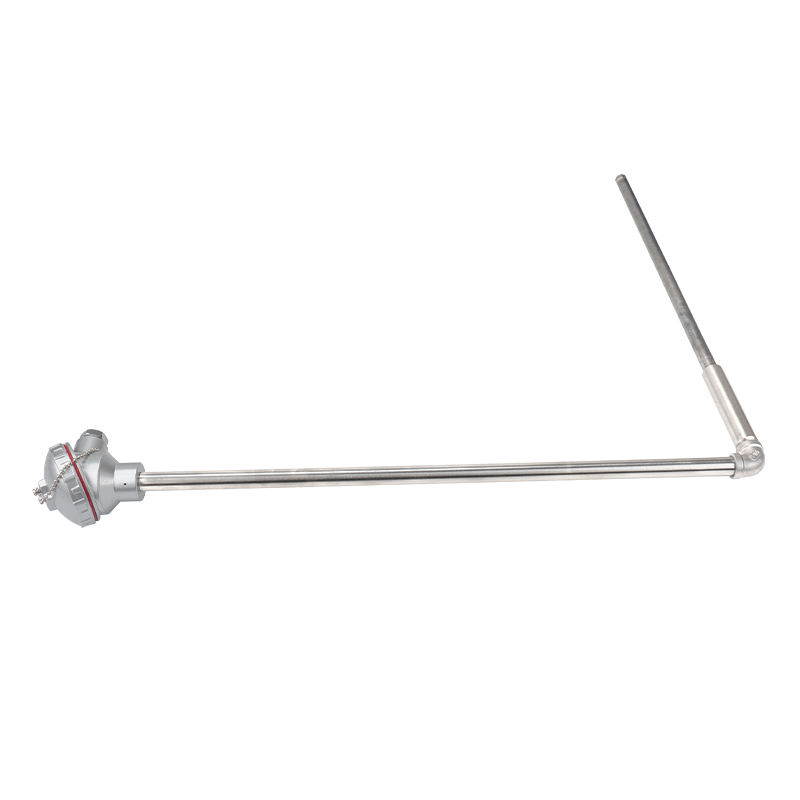
How to calibrate temperature sensor typically relies on comparing the measured value with a standard temperature reference and correcting the deviation to improve accuracy. In industrial and laboratory environments, common calibration methods include ice point calibration, boiling point calibration, and multi-point calibration. These approaches cover different temperature ranges and help ensure measurement reliability in practical applications.
For example, in basic applications, using an ice-water mixture as a 0°C reference point allows quick detection of sensor deviations. For higher precision requirements, thermostatic baths are used for multi-point calibration, improving overall accuracy through data fitting across multiple temperature points. Under standardized procedures, temperature measurement errors can be reduced from ±1°C to within ±0.1°C–±0.3°C.
To understand how to calibrate temperature sensor, it is essential to consider its measurement principles and sources of error. Temperature sensors detect temperature changes and convert them into electrical or digital signals, but this process is influenced by multiple factors.
For example, in environments with strong airflow, sensor readings may be lower than actual temperature, while enclosed spaces may cause higher readings due to heat accumulation. These factors appear as measurable deviations during calibration.
Different types of temperature sensors exhibit distinct calibration characteristics and require specific approaches.
For example, a Pt100 sensor has a resistance of 100Ω at 0°C and approximately 138.5Ω at 100°C. By comparing resistance values with standard curves, accurate temperature calibration can be achieved. In contrast, thermistors follow exponential resistance changes, requiring more calibration points for accuracy.
In practice, how to calibrate temperature sensor can be achieved through various methods, each with different accuracy levels, costs, and operational complexity.
| Calibration Method | Temperature Range | Typical Accuracy | Application Scenario |
|---|---|---|---|
| Ice point calibration | 0°C | ±0.1°C | Basic verification |
| Boiling point calibration | 100°C | ±0.5°C | Quick field checks |
| Thermostatic bath | -50°C to 300°C | ±0.05°C | Laboratory/high-precision use |
| Dry block calibrator | 0°C to 600°C | ±0.1°C–±0.3°C | Industrial field calibration |
For example, thermostatic baths in laboratories provide highly stable environments with temperature fluctuations typically less than ±0.01°C, making them suitable for precision calibration. In contrast, dry block calibrators are widely used in industrial settings due to their portability.
Following standardized procedures when performing how to calibrate temperature sensor helps minimize human error and improve reliability.
Selecting a stable temperature reference is essential. For example, an ice-water mixture provides a stable 0°C reference, while thermostatic baths support multi-point calibration.
Place the sensor in the target environment and allow it to reach thermal equilibrium. This typically takes 5–10 minutes depending on sensor response time and structure.
Record the sensor output and compare it with the standard temperature. Multiple measurements at each point are recommended to improve reliability.
Adjust the output based on measured deviations. Digital sensors can be corrected via software, while analog sensors may require circuit adjustments.
For example, if a sensor reads 52°C in a 50°C environment, a correction of -2°C is required. In multi-point calibration, linear or curve fitting methods can further optimize accuracy.
Multi-point calibration plays a significant role in improving accuracy, especially across wide temperature ranges.
For example, calibrating at 0°C, 50°C, and 100°C helps maintain consistent accuracy across the full measurement range rather than at a single point.
Error control is critical in how to calibrate temperature sensor, as it directly affects the final results.
For example, in unstirred liquid environments, local temperature differences may exceed 1°C, affecting calibration accuracy. Continuous stirring is often required to ensure uniform temperature distribution.
Optimizing operational details can further enhance calibration stability.
For example, averaging 3–5 repeated measurements at the same temperature point can reduce random errors and improve consistency. In industrial environments, calibration is typically performed every 3–6 months to maintain long-term accuracy.
Content
Recommended Products
+86-181 1593 0076 (Amy)
+86 (0)523-8376 1478
[email protected]
No. 80, Chang'an Road, Dainan Town, Xinghua City, Jiangsu, China