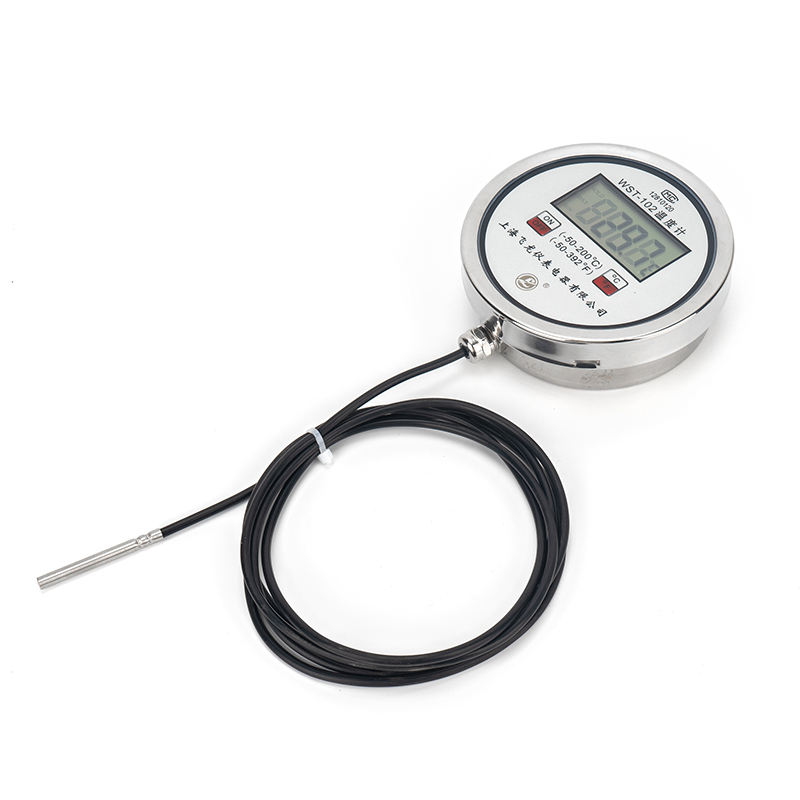
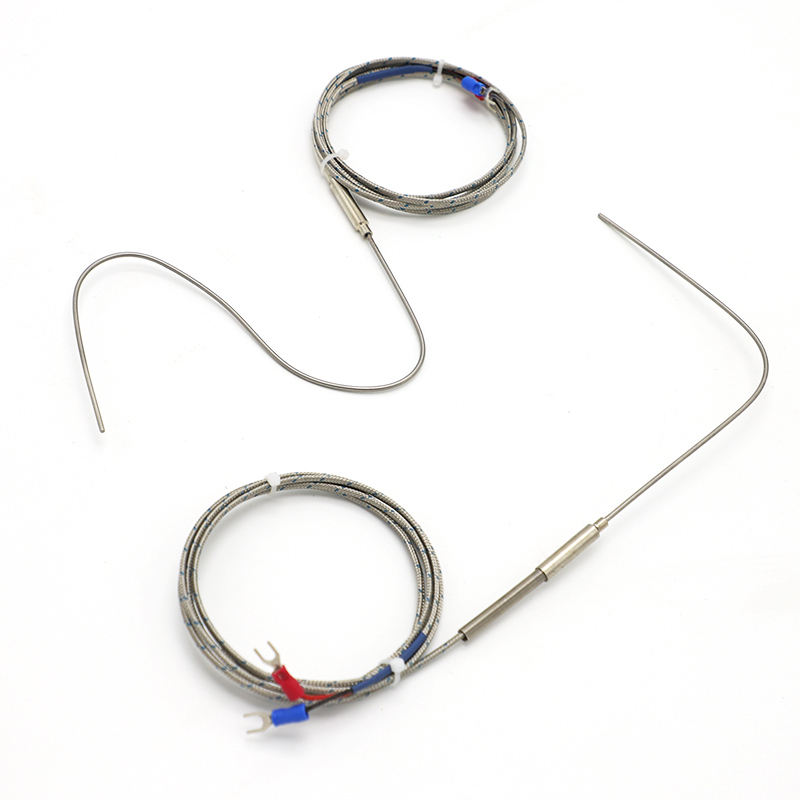
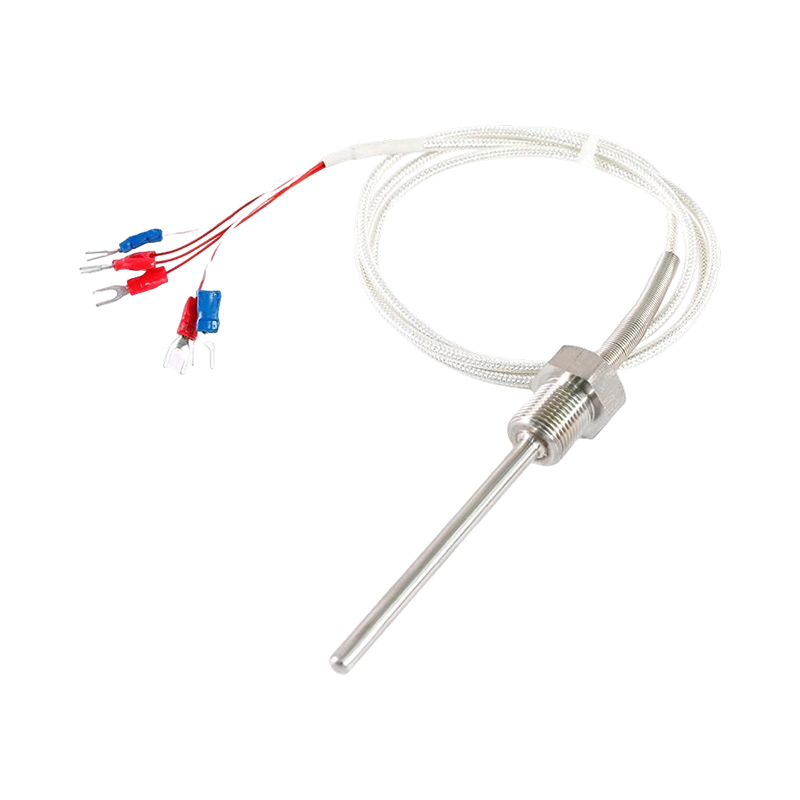
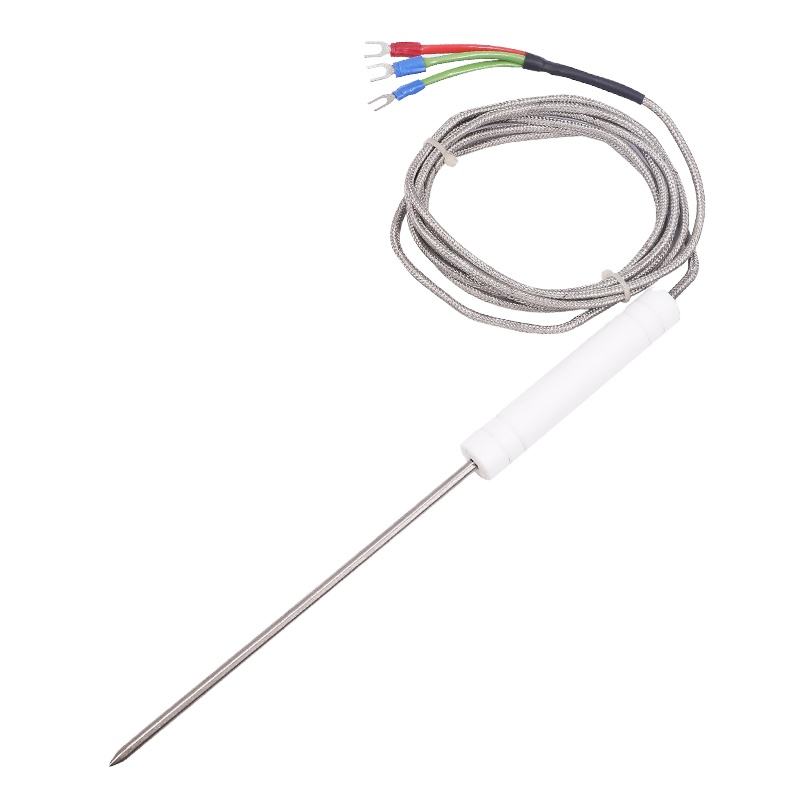
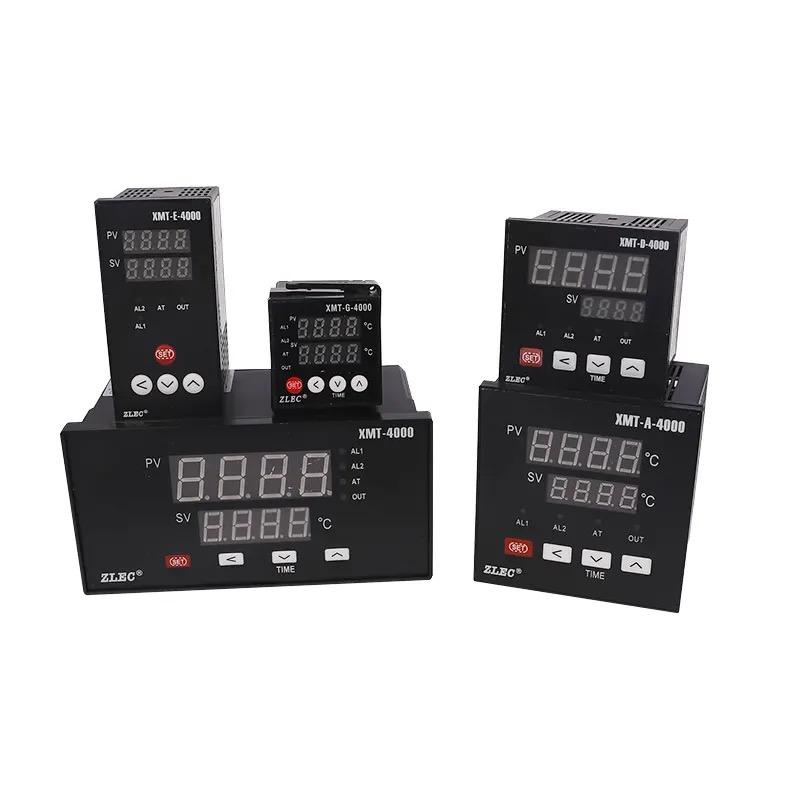
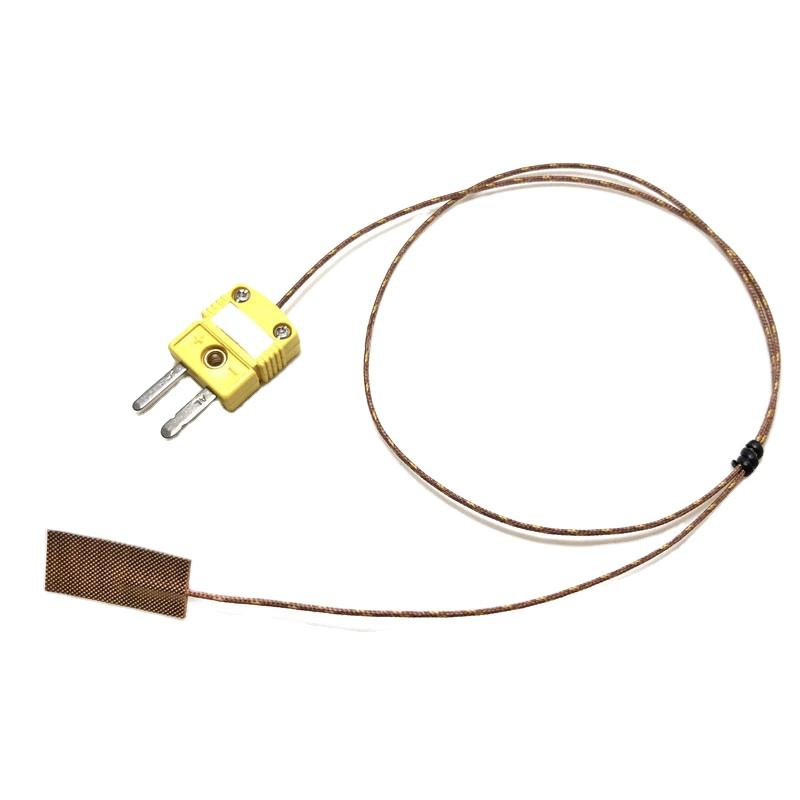
How to calibrate temperature sensor typically involves using a stable and known temperature source, such as a temperature bath, dry block calibrator, or ice point reference, to provide fixed temperature points. The measured values from the temperature sensor are then compared with reference values to evaluate measurement error. This process is essential in industrial automation, laboratory measurements, and quality control to ensure reliable temperature data.
For example, in a sensor with a range of 0–100°C, if the standard temperature is 50°C and the measured value is 48.7°C, the error is -1.3°C. This deviation may result from sensor aging, signal conversion inaccuracies, or environmental influences, requiring adjustment or compensation.
In practical applications, how to calibrate temperature sensor is not only used during initial inspection but also as part of routine maintenance to prevent long-term drift.
When performing how to calibrate temperature sensor, the configuration and accuracy of equipment directly determine the reliability of results. Reference instruments are generally required to be at least three times more accurate than the sensor under test.
For instance, when calibrating a sensor with ±0.2°C accuracy, a reference instrument with ±0.05°C accuracy should be used to minimize uncertainty.
Connection methods also influence results. Insufficient insertion depth or poor contact can lead to lower readings or slow response. Typically, insertion depth should exceed 1.5 times the sensing element length.
How to calibrate temperature sensor generally uses multi-point calibration across the measurement range. The process includes both heating and cooling phases to evaluate repeatability and hysteresis.
The low-temperature point is commonly established using an ice-water mixture, which provides a stable 0°C reference when properly prepared and stirred.
For example, if the measured value is 0.4°C, the error is +0.4°C. If this deviation is consistent across all points, it indicates a zero offset.
A mid-range temperature point, typically around 50°C, is used to assess linearity performance. Stability of the temperature source is critical during this step.
For example, if the measured value is 48.5°C at a 50°C reference, the error is -1.5°C, indicating a significant deviation in the mid-range. This often relates to sensor material properties or signal processing issues.
High-temperature calibration evaluates performance near the upper limit of the sensor range. Common test points include 100°C or higher, depending on the application.
For example, if the measured value is 97.8°C at a 100°C reference, the error is -2.2°C, indicating performance degradation at higher temperatures, often due to prolonged exposure or sensor aging.
Different approaches can be used for how to calibrate temperature sensor, each with varying accuracy, cost, and complexity.
| Method | Equipment | Typical Accuracy | Advantages | Application |
|---|---|---|---|---|
| Ice Point Method | Ice-water mixture | ±0.2°C | Simple, low cost | Basic checks |
| Temperature Bath | Liquid bath system | ±0.05°C | High stability | Laboratory calibration |
| Dry Block Calibrator | Dry block furnace | ±0.1°C | Portable | Field calibration |
For example, in industrial environments, dry block calibrators are commonly used due to portability, while temperature baths are preferred in laboratories for higher precision.
Systematic data recording is essential in how to calibrate temperature sensor, enabling identification of error patterns and trends.
| Reference Temperature (°C) | Measured Value (°C) | Error (°C) |
|---|---|---|
| 0 | 0.3 | +0.3 |
| 50 | 48.7 | -1.3 |
| 100 | 98.0 | -2.0 |
From this data, several patterns can be identified:
During how to calibrate temperature sensor, various issues may arise, often related to environmental conditions or sensor condition.
For example, thermocouples used in high-temperature environments for over a year may exhibit errors exceeding ±2°C, requiring recalibration or replacement.
Several practical details significantly influence the stability and repeatability of how to calibrate temperature sensor.
In high-precision applications, these practices can reduce errors to within ±0.1°C.
How to calibrate temperature sensor is part of ongoing maintenance and varies depending on the application environment.
In industries such as food processing and pharmaceuticals, even a 1°C deviation can affect product quality, leading to more frequent calibration practices.
Content
Recommended Products
+86-181 1593 0076 (Amy)
+86 (0)523-8376 1478
[email protected]
No. 80, Chang'an Road, Dainan Town, Xinghua City, Jiangsu, China