 eng
eng
 English
 русский
 Español
 Français
Industrial Temperature Sensor Manufacturers
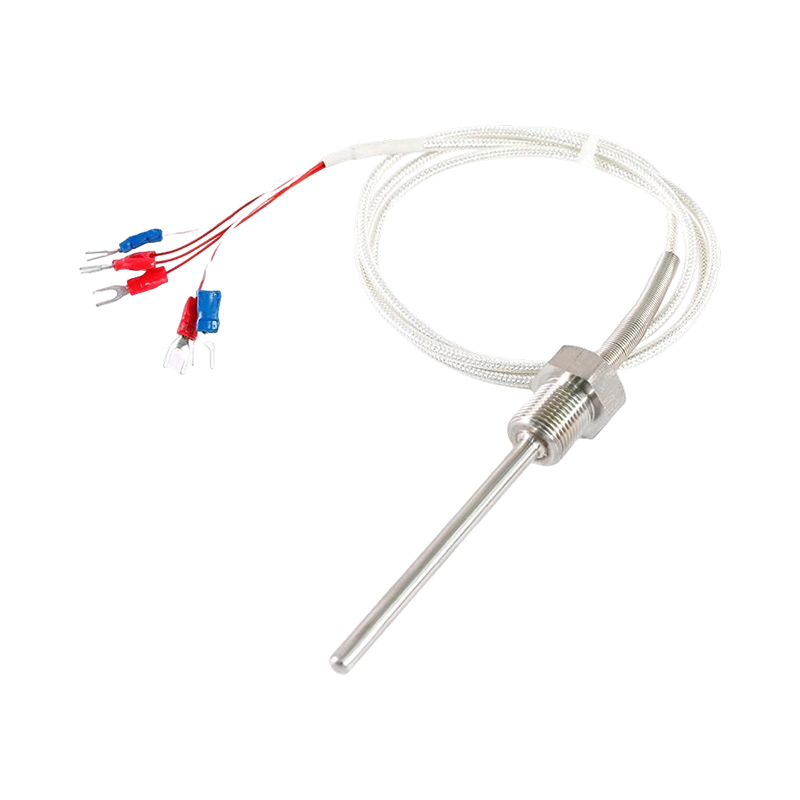
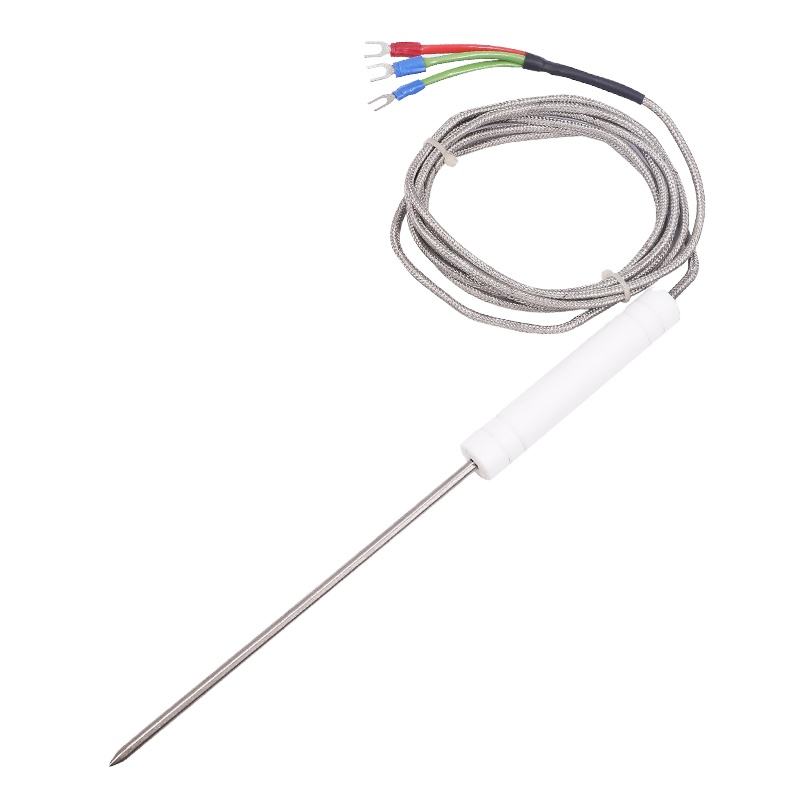
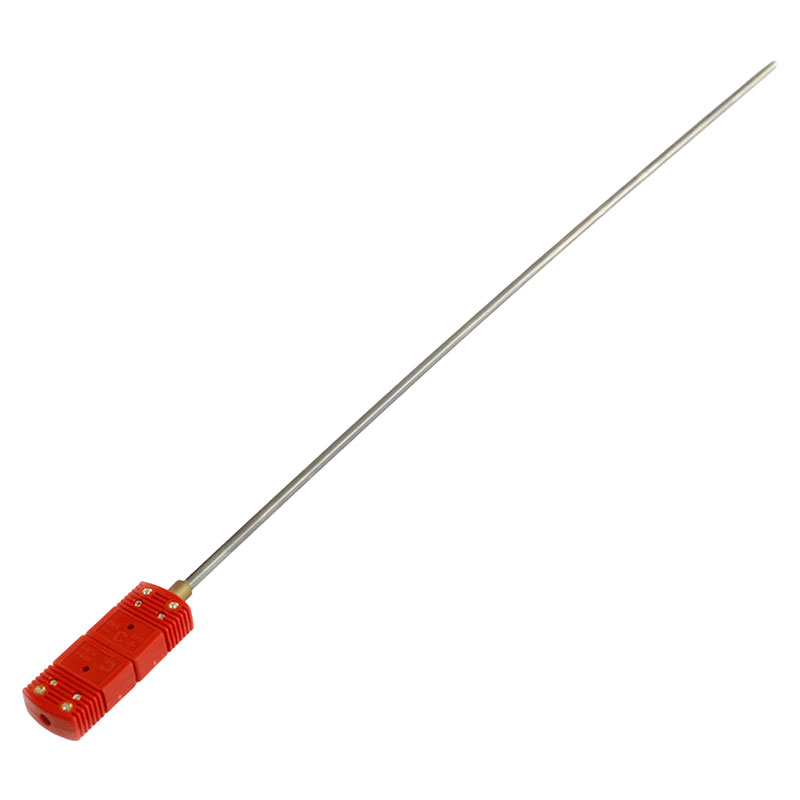
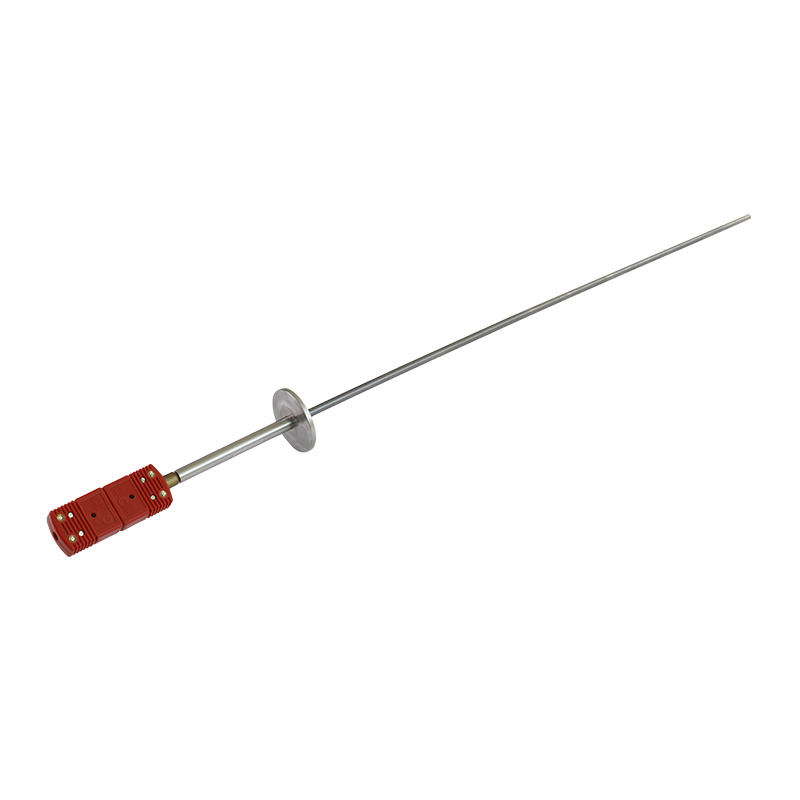
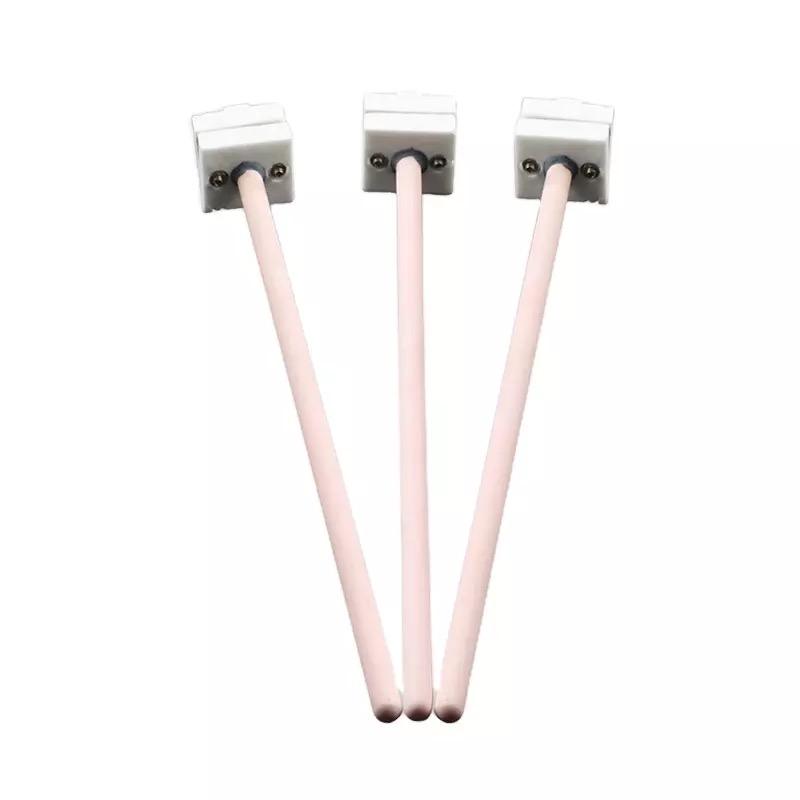
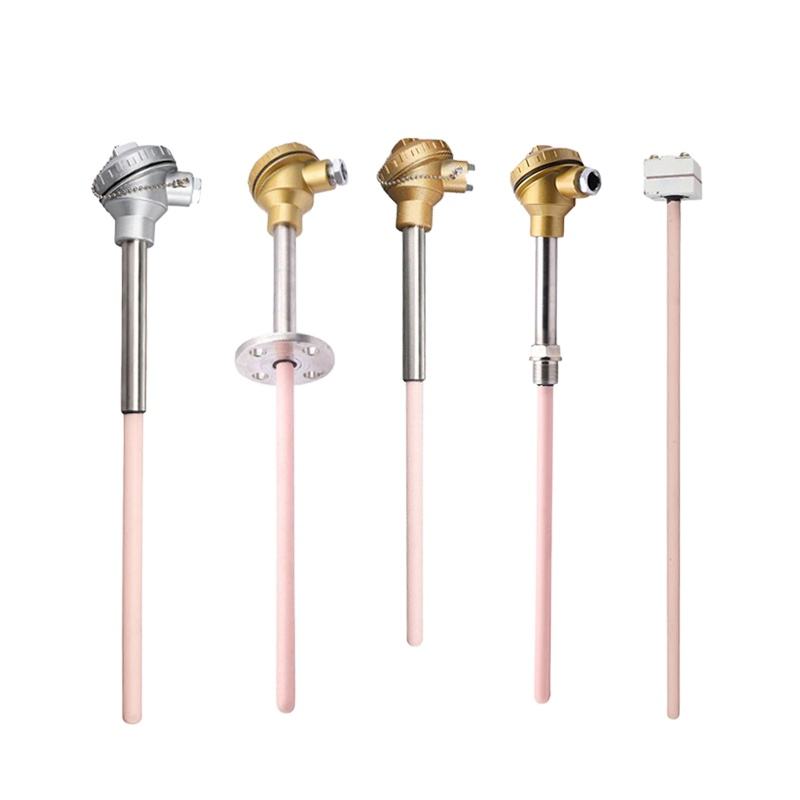
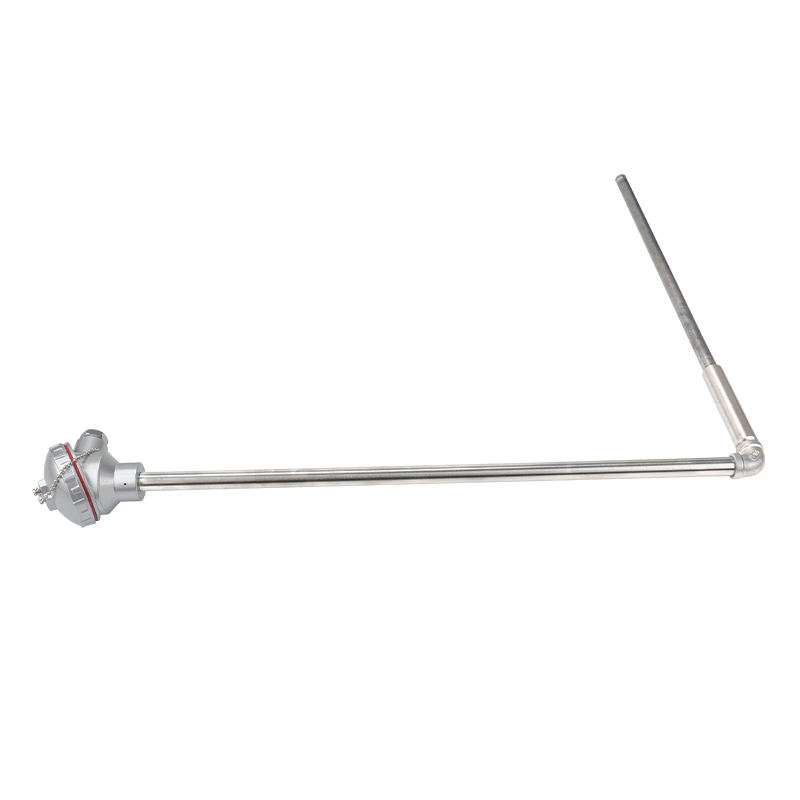
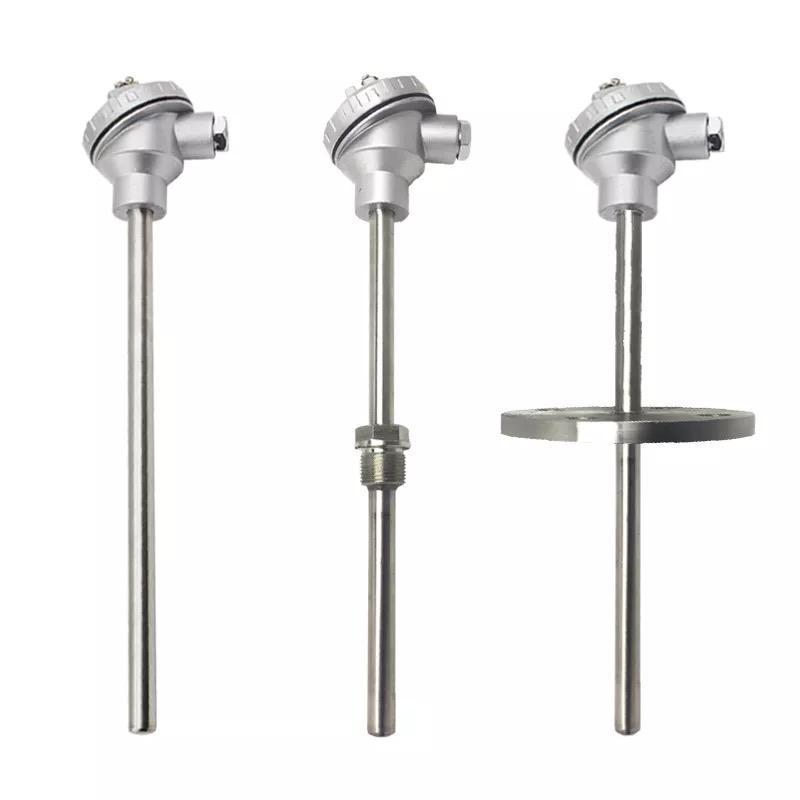
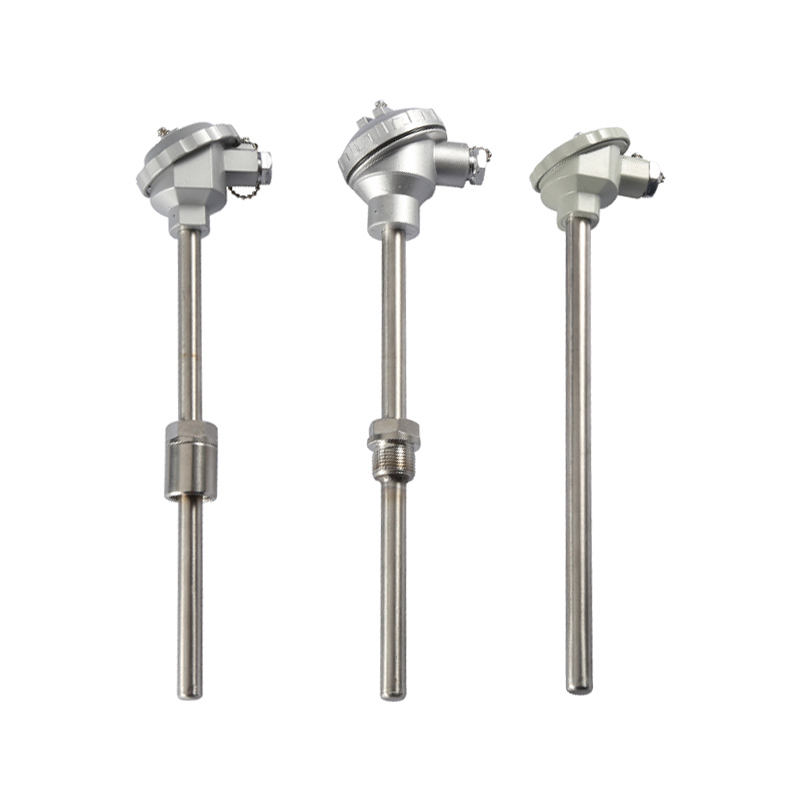
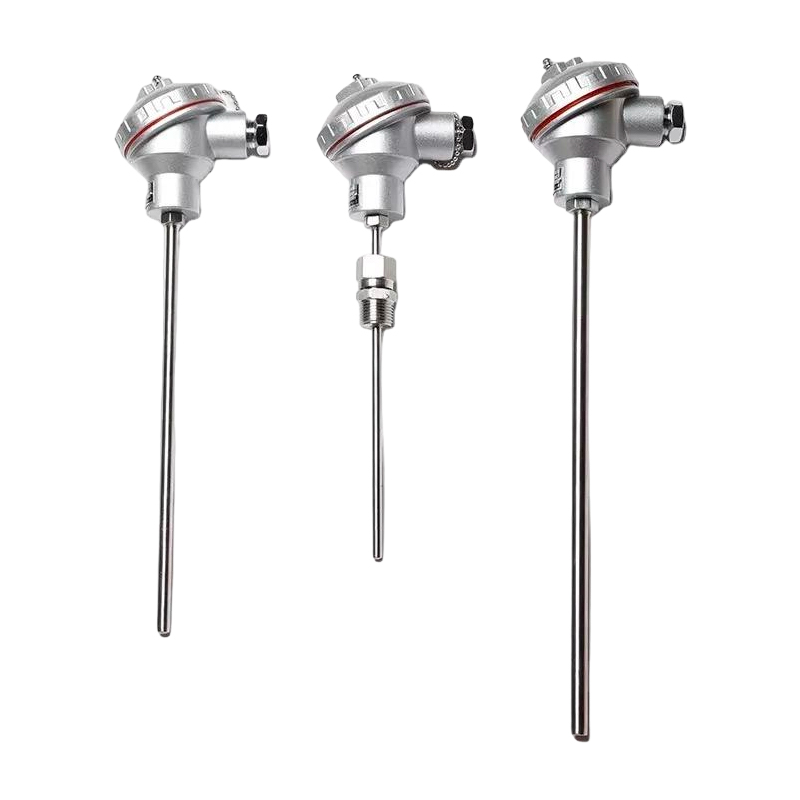
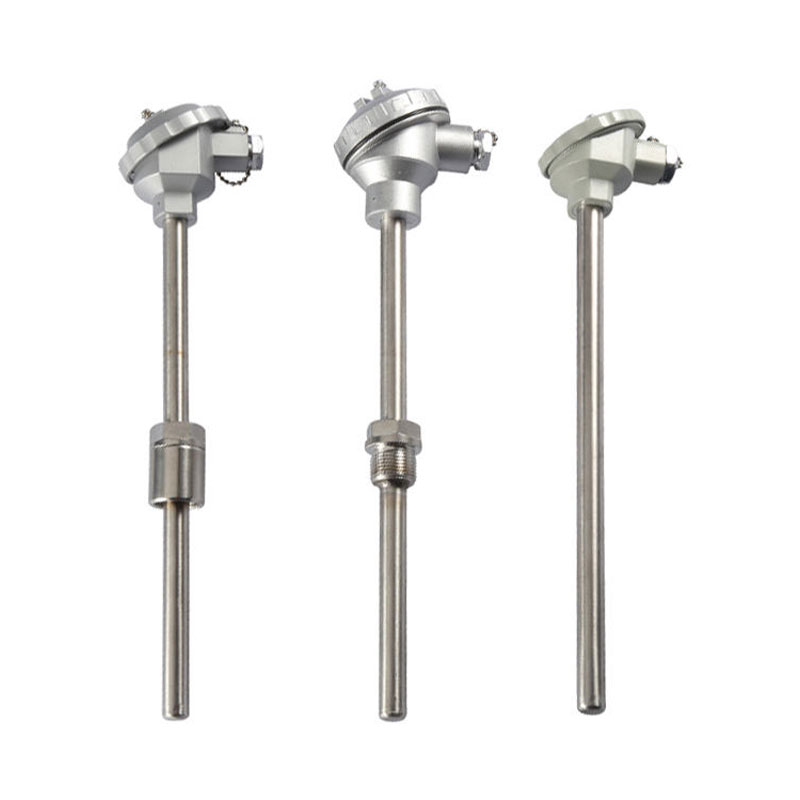
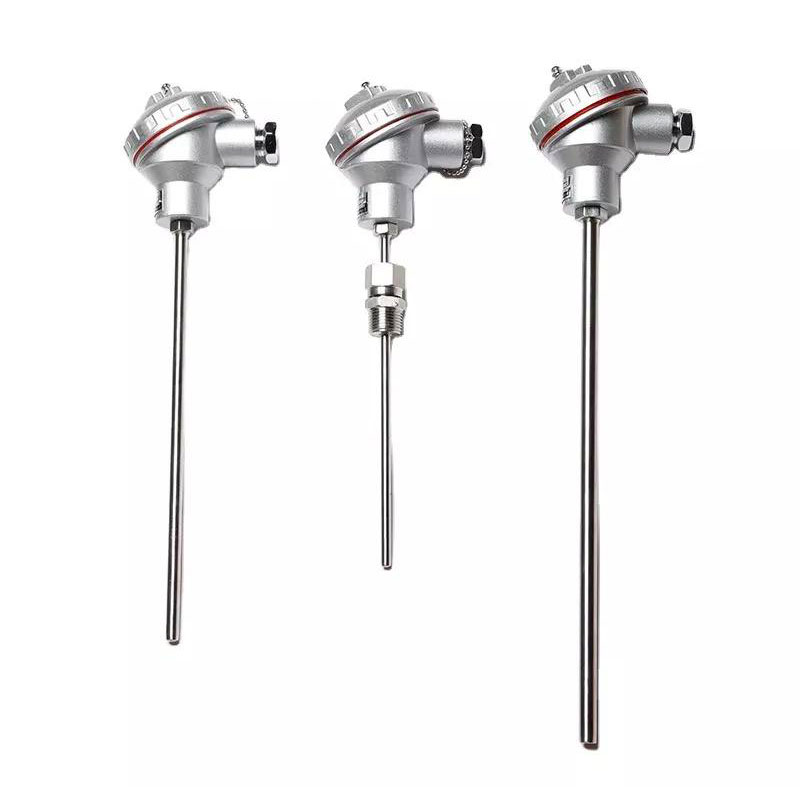
The temperature sensor is a device that measures heat or coolness by converting temperature into an electrical signal. It works by transforming temperature variations into a corresponding electrical signal, such as a change in resistance or voltage.
About
Jiangsu Zhaolong Electrics Co., Ltd.
As China Temperature sensor Manufacturers and Industrial Temperature Sensor Factory, Jiangsu Zhaolong Electrics Co., Ltd. is a regional high-tech enterprise and a production base of temperature sensors and temperature control instruments. We have jointly developed and produced a series of thermocouples (thermal resistances) and temperature control electronics with numerous R&D institutions and academies in Shanghai. These products are salable throughout the country and the world, offering an advantage in cost performance. Our products have a renowned reputation in the market and win customers' trust due to their excellent performance, attractive appearance, high reliability, advanced technology, and good cost performance.
With strong technical development team and patent results, we can undertake business for normal and special specifications, and can design & install various large-scale and small-scale automatic temperature control boxes and temperature control rooms and remote monitoring temperature control systems for customers.
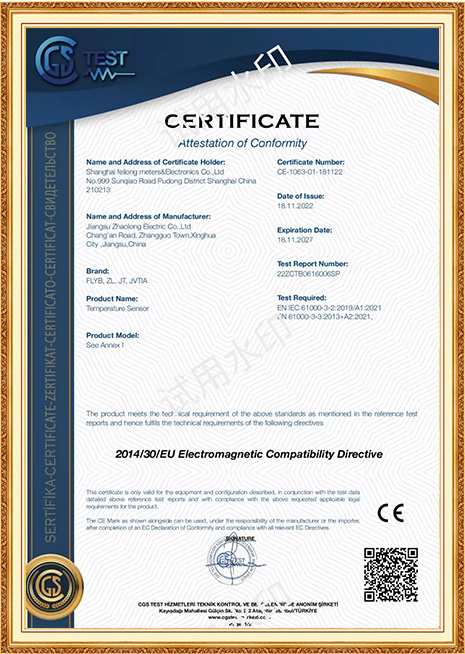
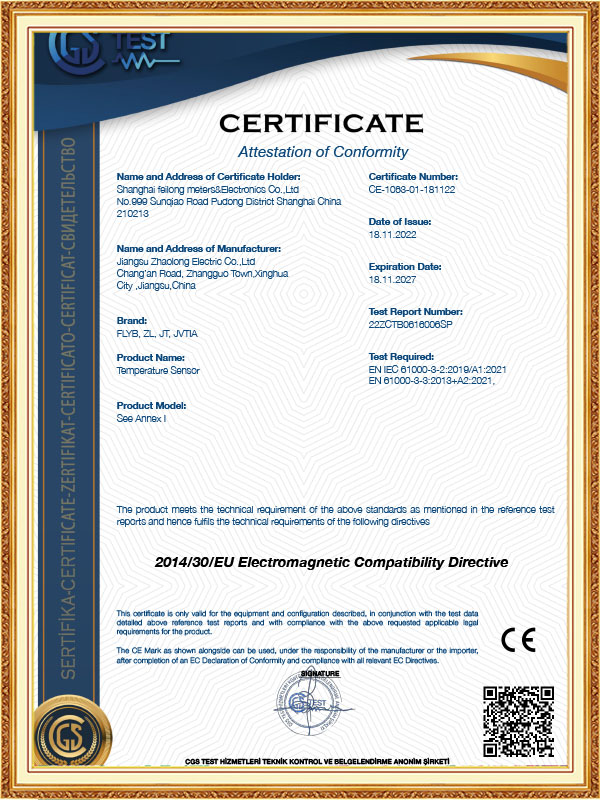
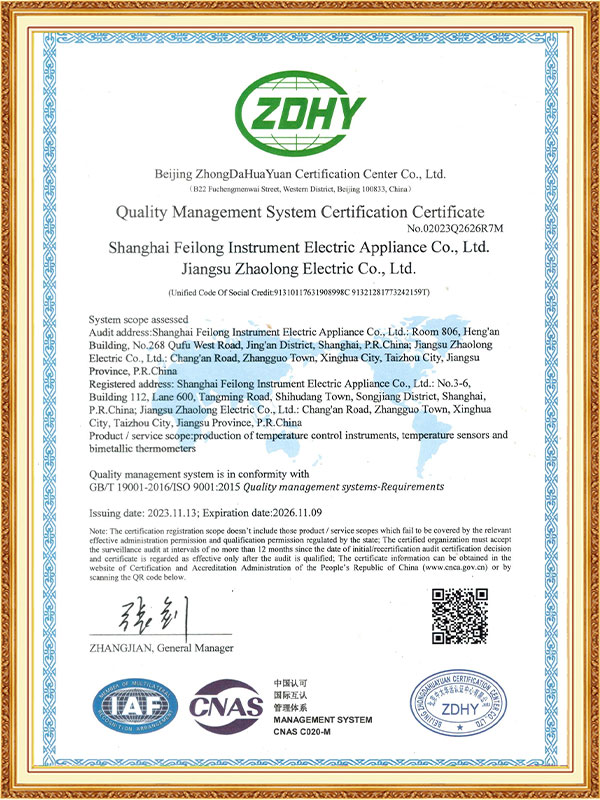
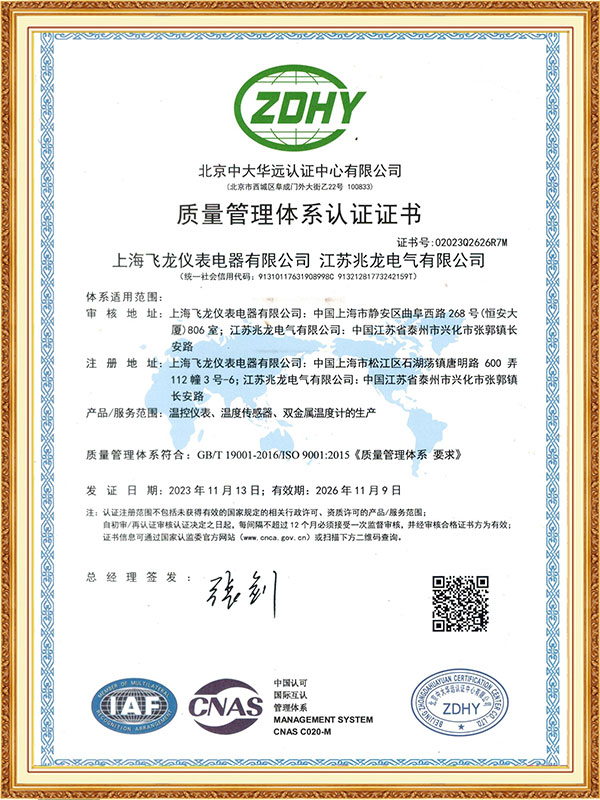
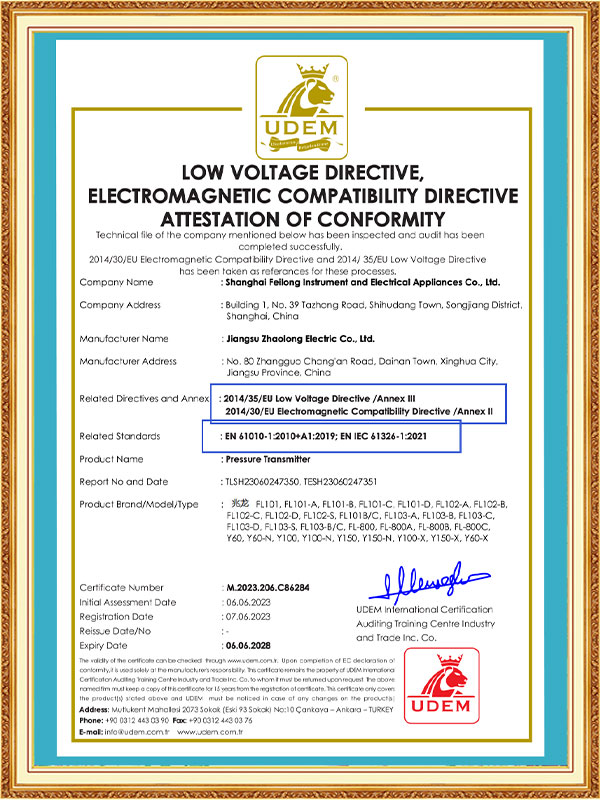
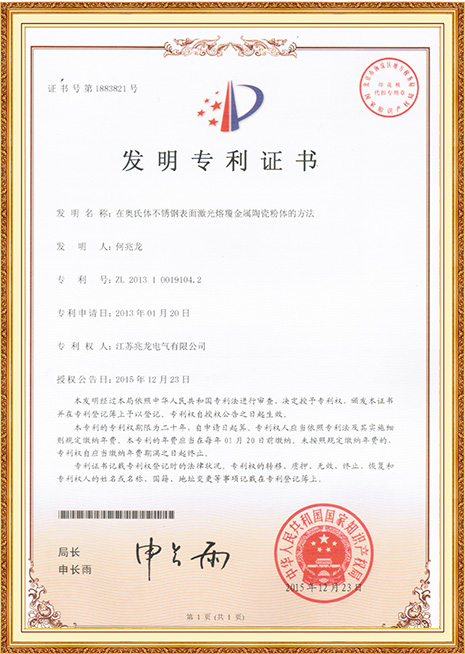
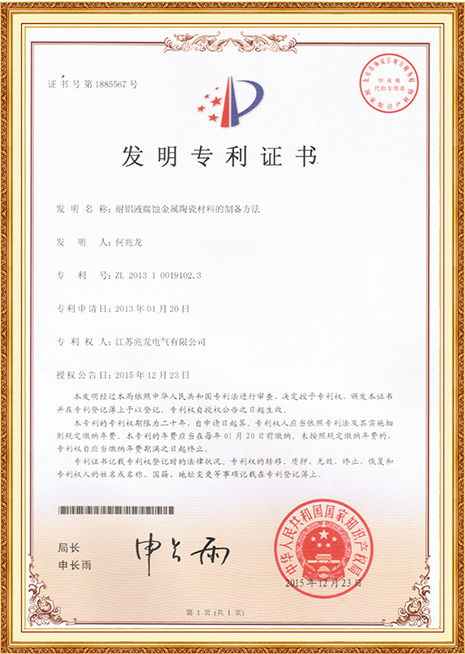
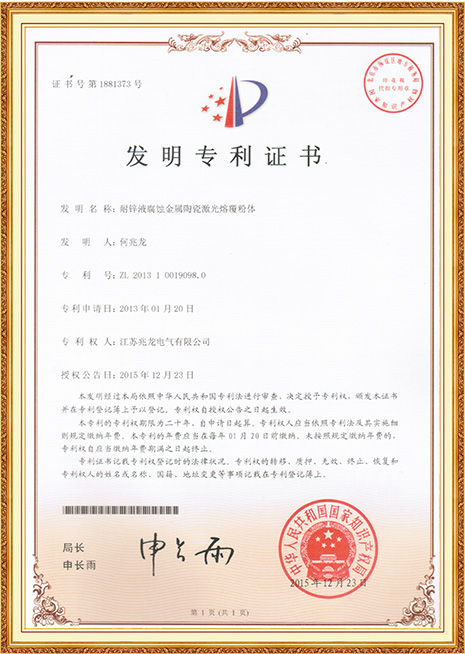
Certificate Of Honor
News
-
Temperature measurement plays a critical role in the industrial production process. It is not only essential for maintaining the quality of the final product but also for ensuring the safety and efficiency of the entire ...
READ MORE -
What Is a Temperature Controller? The Core Definition: A Closed-Loop System, Not Just a Measuring Device A temperature controller is a device that reads the current temperature of a process or environment through a senso...
READ MORE -
What Is a Temperature Transmitter and How Does It Work? A temperature transmitter works by receiving the electrical output from a temperature sensing element, processing it through internal signal conditioning and linear...
READ MORE -
How Industrial Temperature Sensors Drive Precision in Temperature Control Systems Industrial temperature sensors are at the heart of temperature control systems in modern industrial processes. These sensors play a critic...
READ MORE
Industry knowledge
Temperature Sensors for Accurate Monitoring and Stable Industrial Performance
Temperature control is an important part of many industries. From industrial production to electronics and environmental monitoring, stable temperature measurement helps equipment operate normally and keeps products within the required conditions. Even small temperature changes may influence machine performance, storage safety, or product quality.
Because of this, temperature sensors are widely used in monitoring and control systems. A suitable sensor helps engineers observe temperature changes in real time and make timely adjustments when needed.
As a regional high-tech enterprise, our company has established a dedicated production base for temperature sensors and temperature control instruments. Working together with several research institutions and academic organizations in Shanghai, we have jointly developed and produced a series of thermocouples, thermal resistors, and temperature control electronic devices. These products are widely used in different industrial applications and are distributed across domestic and international markets. With practical design and stable performance, they offer a balanced combination of quality and cost efficiency.
1. Sensor Materials: The Basis of Accurate Temperature Measurement
The sensing element is the core part of a temperature sensor. Different materials react to temperature changes in different ways, and these reactions are converted into measurable signals such as resistance changes or voltage signals. Choosing suitable materials helps ensure that the sensor provides stable and consistent readings in various working environments.
Common temperature sensor materials include metal conductors, semiconductor elements, and alloy junctions.
Thermocouples: Reliable for Wide Temperature Ranges
Thermocouples are widely used in industrial temperature measurement. They are made by joining two different metal wires together. When the junction is exposed to temperature changes, a small voltage is produced. Measuring this voltage allows the system to estimate the temperature.
Thermocouples are often used in environments where temperature levels may change significantly. Their structure is simple, and they can respond quickly to temperature variations.
Key characteristics include:
Wide temperature measurement range
Thermocouples can measure temperatures from very low levels to very high industrial temperatures. This allows them to be used in furnaces, kilns, and metal processing equipment where heat levels can fluctuate.
Fast response time
Because the sensing junction is small, thermocouples can react quickly when the surrounding temperature changes. This helps operators detect temperature variations in time-sensitive processes.
Suitable for industrial environments
Thermocouples can work in conditions where vibration or mechanical movement may occur, which makes them useful for heavy equipment and manufacturing systems.
RTD Sensors: Stable and Consistent Measurement
RTD sensors, also known as resistance temperature detectors, usually use metals such as platinum as their sensing material. The electrical resistance of the metal changes in a predictable way as temperature changes. By measuring this resistance, the monitoring system can calculate the temperature value.
RTD sensors are often used in environments where stable measurement results are important.
Important characteristics include:
Good measurement stability
The resistance of platinum changes in a consistent pattern, which allows RTD sensors to provide reliable readings over long periods.
Repeatable results
When the same temperature is measured repeatedly, RTD sensors tend to produce similar readings. This makes them suitable for laboratory environments and controlled industrial processes.
Suitable for moderate temperature ranges
RTD sensors generally operate within moderate temperature ranges, which makes them useful in many industrial and scientific applications.
Thermistors: Sensitive Sensors for Small Devices
Thermistors are made from semiconductor materials. Their resistance changes noticeably when temperature changes, which allows them to detect small temperature variations.
Thermistors are commonly used in electronic devices and compact monitoring systems.
Their main features include:
High sensitivity to temperature changes
Even small temperature variations can cause measurable resistance changes. This helps detect temperature increases quickly in electronic components.
Compact size
Thermistors are usually small, so they can be integrated easily into circuit boards or electronic systems.
Suitable for device protection
Many battery systems, chargers, and consumer electronics use thermistors to monitor internal temperature and prevent overheating.
Comparison of Common Temperature Sensor Types
| Sensor Type | Main Material | Characteristics | Typical Applications |
|---|---|---|---|
| Thermocouple | Metal alloy junction | Wide temperature range, fast response | Industrial furnaces, manufacturing equipment |
| RTD Sensor | Platinum metal | Stable measurement, consistent readings | Laboratories, process monitoring |
| Thermistor | Semiconductor material | High sensitivity, compact structure | Electronics, battery systems |
Selecting a suitable sensing material helps ensure that the temperature sensor performs reliably in its intended environment.
2. Durability: Maintaining Reliable Performance Over Time
In many applications, temperature sensors operate continuously for long periods. They may be exposed to vibration, humidity, dust, or chemicals depending on the environment. Because of this, durability is an important factor when selecting temperature sensors.
A durable sensor can maintain stable performance and reduce the need for frequent replacement.
Protective Sensor Housing
Many industrial sensors include protective housings made of stainless steel or similar materials. This outer structure protects the internal sensing element from physical damage or environmental exposure.
Protective housings provide several advantages:
Improved resistance to moisture and dust
In factories or outdoor environments, moisture or particles may enter unprotected devices. A sealed housing helps prevent these substances from affecting the sensor.
Protection against mechanical impact
Equipment vibration or accidental contact may occur in industrial environments. A strong housing helps reduce the risk of damage.
Longer operating life
By shielding the sensitive components from external factors, protective housings help extend the service life of the sensor.
Reliable Cable and Connection Design
Temperature sensors often rely on cables to transmit measurement signals to monitoring systems. The quality of these cables can influence signal stability.
Important aspects of cable design include:
Shielding against electrical interference
In environments with motors or electrical equipment, interference may affect signal transmission. Shielded cables help reduce this effect.
Flexible cable materials
Flexible cables are useful when sensors must move with machinery or when installation space is limited.
Secure connectors
Proper connectors help ensure stable signal transmission between the sensor and monitoring device.
Resistance to Environmental Conditions
Some sensors must operate in demanding environments such as industrial plants, chemical facilities, or outdoor monitoring stations. Sensors designed for these environments often include additional protective features.
These may include:
corrosion-resistant materials to withstand chemical exposure
sealed structures that prevent water from entering the sensor
reinforced probes that can tolerate vibration or movement
By selecting sensors designed for the intended environment, companies can maintain reliable temperature monitoring and reduce maintenance interruptions.
Durability Features in Temperature Sensors
| Feature | Function | Suitable Environment |
|---|---|---|
| Stainless steel probe | Protects sensing element | Industrial equipment |
| Waterproof sealing | Prevents moisture entry | Liquid monitoring systems |
| Shielded cables | Reduces signal interference | Electrical environments |
| Reinforced housing | Improves mechanical strength | Machinery with vibration |
3. Application Value: Supporting Stable System Operation
Temperature sensors are widely used in monitoring systems because they help maintain safe and stable operating conditions. By providing continuous temperature information, they allow equipment and control systems to respond when temperature changes occur.
Industrial Equipment Monitoring
In manufacturing environments, temperature sensors help monitor machines that generate heat during operation. If the temperature rises beyond a certain level, the control system may adjust the process or alert operators.
This type of monitoring helps in several ways:
Preventing overheating
Continuous monitoring helps detect abnormal temperature increases before equipment is damaged.
Maintaining production stability
Many manufacturing processes require controlled temperatures. Sensors help maintain these conditions.
Supporting maintenance planning
Temperature data can help technicians identify early signs of equipment wear.
Environmental and Storage Monitoring
Temperature sensors are also used to maintain stable conditions in storage facilities and environmental monitoring systems.
Cold storage warehouses use sensors to maintain suitable temperatures for food and medicine.
Greenhouses use temperature monitoring to support plant growth.
Data centers rely on temperature sensors to prevent electronic equipment from overheating.
These systems rely on continuous temperature monitoring to maintain consistent environmental conditions.
Electronics and Device Protection
Electronic devices generate heat when operating. If the temperature becomes too high, components may wear more quickly or operate less efficiently.
Temperature sensors help address this issue by:
monitoring internal device temperature
activating cooling systems when needed
reducing power levels if heat rises
Many devices such as computers, power supplies, and battery systems include built-in temperature sensors to maintain safe operating conditions.
Impact of Temperature Sensors Across Industries
| Industry | Application | Role of Temperature Sensors |
|---|---|---|
| Manufacturing | Machine monitoring | Maintains production stability |
| Agriculture | Greenhouse temperature control | Supports plant growth |
| Healthcare | Storage equipment monitoring | Maintains suitable storage conditions |
| Electronics | Device temperature control | Protects internal components |
These examples show how temperature sensors support reliable operations across different industries.

PRODUCT
CONTACT INFO.
-
 +86-181 1593 0076 (Amy)
-
 +86 (0)523-8376 1478
-
 [email protected]
-
 No. 80, Chang'an Road, Dainan Town, Xinghua City, Jiangsu, China
QR CODE

Copyright © 2025. Jiangsu Zhaolong Electrics Co., Ltd.
 Custom Temperature sensor Manufacturers
