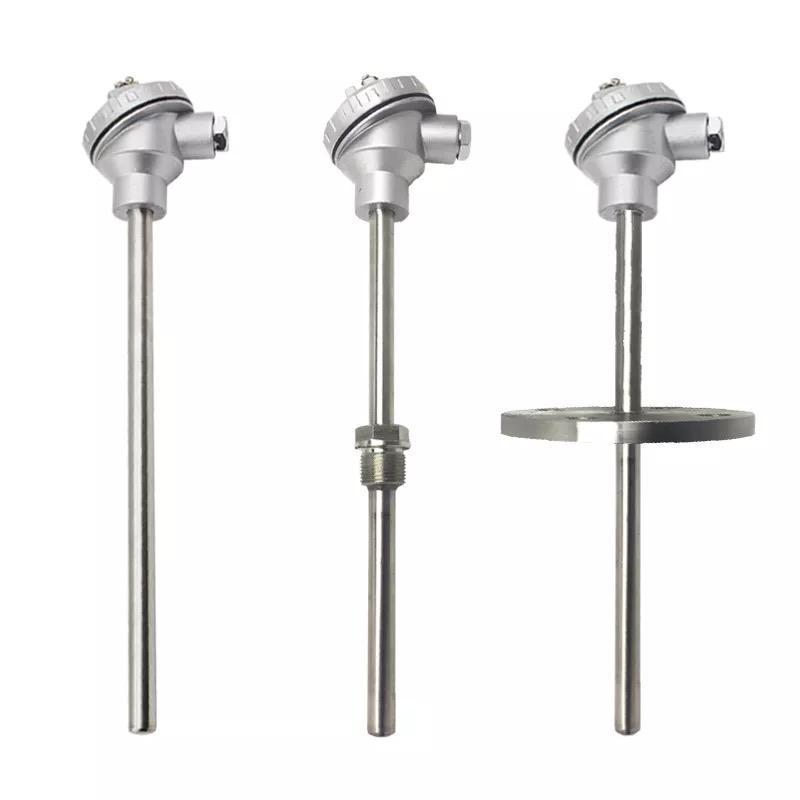
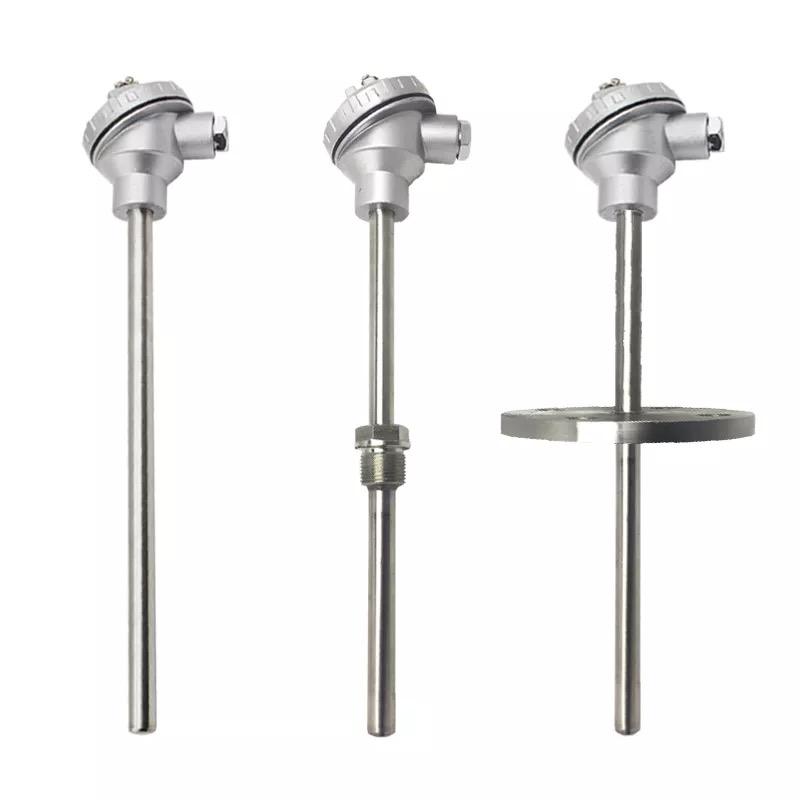
Temperature measurement plays a critical role in the industrial production process. It is not only essential for maintaining the quality of the final product but also for ensuring the safety and efficiency of the entire operation. In various industries, such as chemical manufacturing, pharmaceuticals, food processing, and even automotive manufacturing, temperature control is a key factor influencing the performance of equipment, the safety of processes, and the final product's quality. Without accurate and reliable temperature measurements, it would be impossible to achieve the required precision for most industrial operations.
In chemical processing, for example, maintaining precise temperature levels is essential for controlling reaction rates and ensuring the correct balance of products. If temperatures fluctuate beyond the optimal range, it can lead to unsafe conditions or substandard products, which can lead to costly recalls or environmental damage. In food processing, exact temperature control prevents bacteria growth and ensures that food remains safe for consumption. For pharmaceuticals, temperature plays an essential role in preserving the potency and shelf-life of drugs.
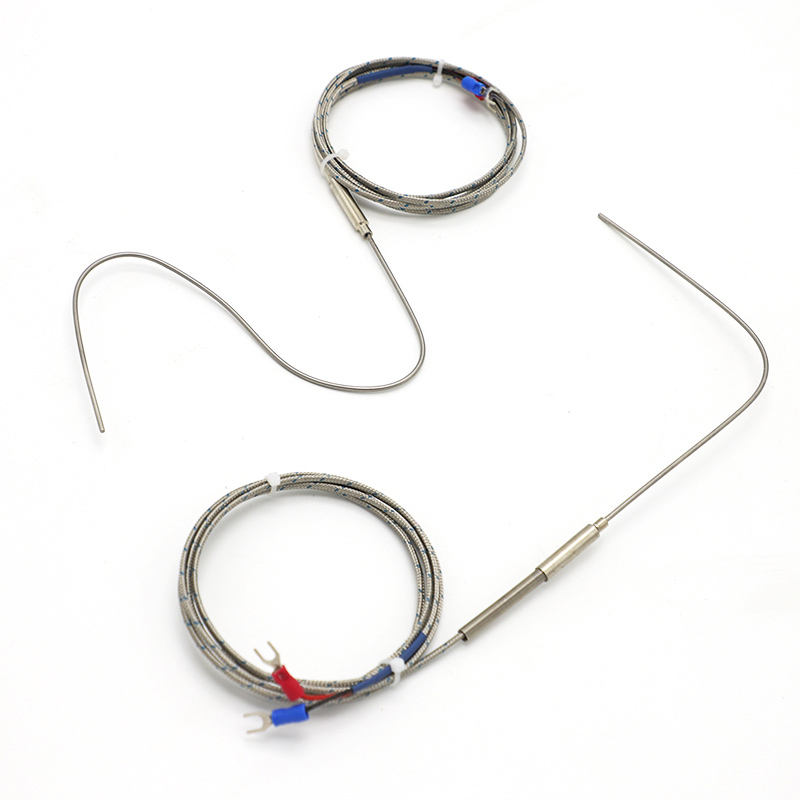
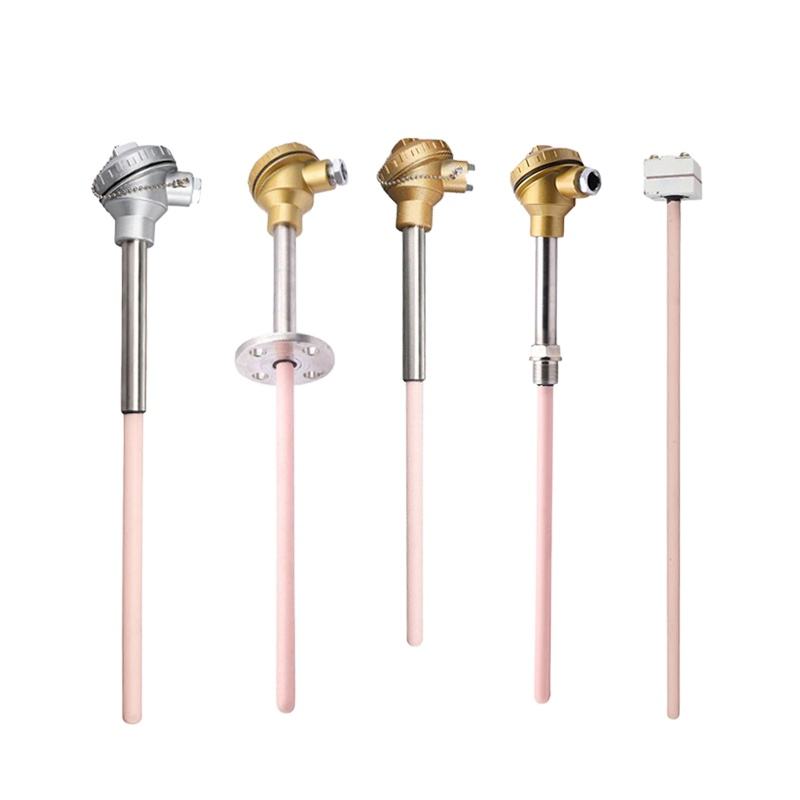
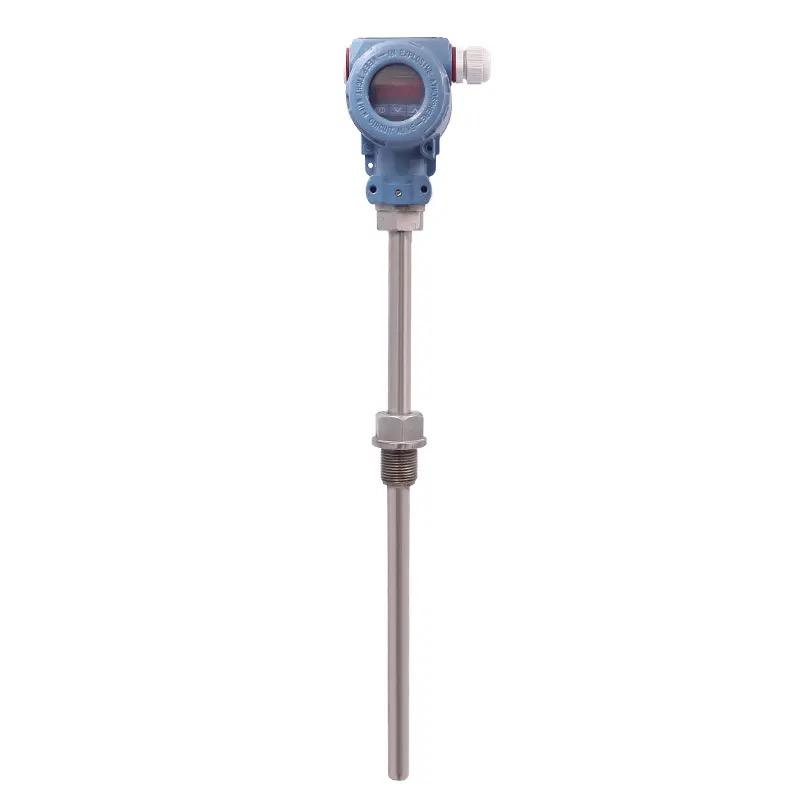
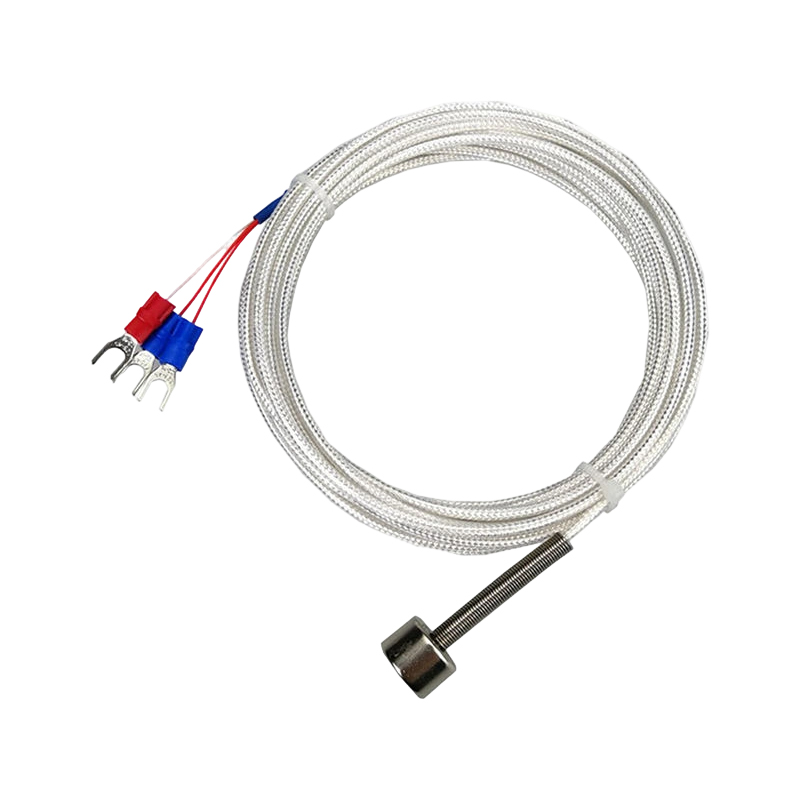
PT100 temperature sensors are recognized for their accuracy and stability. Their widespread use in industrial applications comes from their ability to deliver precise temperature measurements under various environmental conditions. This allows for better process control, which can lead to improved product quality and reduced waste in production processes.
Furthermore, in industries such as power generation, temperature measurement is critical to monitoring the performance of turbines and other critical infrastructure. A malfunction in temperature control in these areas can lead to catastrophic failures. As such, industries are increasingly investing in high-precision sensors like the PT100 to ensure their operations run smoothly and efficiently.
The PT100 temperature sensor stands out when compared to other temperature sensors, including thermocouples and thermistors. Although thermocouples are commonly used in high-temperature applications, they are less accurate than PT100 sensors, which are known for their superior precision. Similarly, thermistors, while offering good accuracy in a limited range, lack the broad temperature range and long-term stability offered by PT100 sensors.
One of the most significant advantages of PT100 sensors is their high precision over a wide range of temperatures, from -200°C to +850°C. In comparison, thermocouples can measure higher temperatures but are less accurate, and thermistors are limited to a narrower temperature range, typically between -50°C and +150°C. The ability of PT100 sensors to maintain high accuracy in both low and high-temperature environments makes them indispensable for many industrial applications.
| Parameter | PT100 Temperature Sensor | Thermocouple | Thermistor |
|---|---|---|---|
| Accuracy | ±0.1°C - ±0.5°C | ±1°C - ±3°C | ±0.2°C - ±1°C |
| Temperature Range | -200°C to +850°C | -200°C to +1800°C | -50°C to +150°C |
| Stability | High Stability | Moderate Stability (drift over time) | Low Stability (temperature sensitive) |
| Response Time | Moderate | Fast | Fast |
| Cost | Higher Initial Cost | Low | Moderate |
As can be seen in the table, PT100 sensors offer superior accuracy and stability over a wide temperature range. Despite their higher initial cost, PT100 sensors provide long-term value due to their precision, durability, and reliability, making them ideal for applications where accuracy is essential.
In many industrial environments, temperature sensors are exposed to corrosive chemicals, high humidity, extreme temperatures, and physical wear. For this reason, PT100 sensors with stainless steel shells are particularly advantageous. The stainless steel casing provides exceptional resistance to corrosion and wear, extending the sensor's lifespan and reliability in harsh environments.
In industries such as petrochemical and steel manufacturing, sensors are subjected to severe environmental conditions that can lead to damage. For example, in chemical reactors, high temperatures and aggressive chemicals can degrade standard sensors over time, leading to inaccurate readings and potentially dangerous situations. However, PT100 sensors with stainless steel housings offer superior protection, maintaining their precision and durability even in these extreme conditions.
In addition to corrosion resistance, stainless steel enhances the thermal conductivity of PT100 sensors, which improves the sensor's response time to temperature fluctuations. In critical applications where rapid detection of temperature changes is necessary, such as in power plants or oil refineries, the quick response time provided by stainless steel ensures that operations can be adjusted promptly to avoid overheating or other safety hazards.
The advent of smart manufacturing, driven by Industry 4.0, has revolutionized the way temperature sensors are used. PT100 sensors, when integrated into IoT (Internet of Things) systems, enable continuous real-time temperature monitoring and data transmission. This connectivity allows for enhanced control over manufacturing processes, reducing waste, improving quality, and increasing efficiency.
In smart factories, PT100 sensors are often part of a larger network of interconnected devices that track and optimize various production parameters. For example, PT100 sensors can be used to monitor the temperature of production machinery, ensuring that they operate within safe limits. If a temperature anomaly is detected, the system can automatically adjust the machine settings or alert operators to potential issues, reducing downtime and preventing equipment damage.
Beyond just temperature monitoring, these sensors are also capable of feeding data into advanced analytics systems that use machine learning algorithms to predict potential issues before they arise. This predictive maintenance can help prevent expensive repairs, increase overall equipment effectiveness (OEE), and ultimately save costs for manufacturers.
In automotive manufacturing, for instance, PT100 sensors are used to monitor the temperature of metal molds in injection molding machines. By ensuring that the molds remain within a precise temperature range, manufacturers can avoid defects in the molded parts, thus improving product quality and reducing material waste.
Temperature monitoring plays a critical role in the energy sector, particularly in power generation, oil, and gas industries. PT100 sensors are widely used in these industries to monitor the temperature of critical components such as boilers, turbines, and reactors. These sensors help maintain optimal operating conditions and prevent overheating, which could lead to equipment failure or safety hazards.
In power plants, PT100 sensors monitor the temperature of steam turbines and other equipment. These sensors ensure that the equipment operates within safe temperature limits, preventing failures that could result in costly repairs or shutdowns. Additionally, PT100 sensors help optimize the efficiency of power generation by ensuring that equipment operates at its optimal temperature, thus reducing energy consumption and maximizing output.
Similarly, in the oil and gas industry, PT100 sensors are used to monitor the temperature of pipelines, storage tanks, and refineries. Accurate temperature measurement is essential for ensuring the safe transportation of oil and gas and for maintaining the stability of processes in refineries. PT100 sensors also help prevent dangerous situations, such as the overheating of oil pipelines, which could lead to explosions or spills.
As the energy sector shifts toward more sustainable and efficient energy solutions, the role of PT100 sensors will continue to grow. These sensors will be integral to managing the temperature of renewable energy equipment, such as solar panels and wind turbines, which require careful temperature regulation to maintain peak performance and longevity.
PT100 temperature sensors are known for offering excellent cost performance. While they come with a higher initial cost compared to thermocouples and thermistors, the long-term benefits make them a worthwhile investment for many industries. Their precision, durability, and stability contribute to higher product quality, less downtime, and lower maintenance costs, which ultimately results in significant savings for businesses over time.
In industries where temperature control is critical, such as semiconductor manufacturing, pharmaceutical production, and food processing, the use of PT100 sensors is essential for ensuring consistent product quality. The high initial cost of PT100 sensors is often offset by the reduction in waste, defects, and costly production delays.
Furthermore, PT100 sensors' ability to maintain accuracy over time ensures that companies do not have to replace them frequently, reducing operational costs in the long run. This durability makes them a better long-term investment than lower-cost alternatives, which may need to be replaced more often or fail to provide accurate readings in demanding conditions.
The food industry is highly regulated, and maintaining precise temperature control is critical to ensure food safety and quality. PT100 temperature sensors are commonly used in food production to monitor cooking, cooling, and storage temperatures. These sensors help prevent food spoilage, bacterial contamination, and ensure that food products meet regulatory standards for safe consumption.
In the dairy industry, for example, PT100 sensors are used to monitor pasteurization temperatures. Pasteurization is a critical process for ensuring the safety of milk and dairy products, and temperature deviations during this process can lead to unsafe products. By using PT100 sensors, dairy producers can ensure that the milk reaches the correct temperature and remains at that temperature long enough to kill harmful bacteria.
Similarly, in meat processing, PT100 sensors are used to monitor the temperature of meat during processing and storage. Proper temperature control during meat processing is essential for preventing the growth of pathogens and ensuring that the meat is safe for consumption. PT100 sensors help processors maintain strict temperature control throughout the entire process, ensuring both product safety and quality.
The future of PT100 temperature sensors lies in their integration with IoT (Internet of Things) systems and the growing use of big data analytics. With IoT integration, PT100 sensors can transmit real-time data to cloud-based platforms, allowing operators to monitor temperature conditions remotely and make adjustments in real-time. This opens up new opportunities for predictive maintenance and process optimization.
As industries continue to adopt smart manufacturing practices and rely on big data to optimize operations, the role of PT100 sensors will become even more vital. Temperature data from PT100 sensors can be analyzed alongside other production data to identify trends, predict failures, and optimize performance. This can lead to more efficient production processes, reduced downtime, and lower operating costs.
Content
Recommended Products
+86-181 1593 0076 (Amy)
+86 (0)523-8376 1478
[email protected]
No. 80, Chang'an Road, Dainan Town, Xinghua City, Jiangsu, China