eng
eng
 English
 русский
 Español
 Français
Industrial Temperature Transmitters Manufacturers
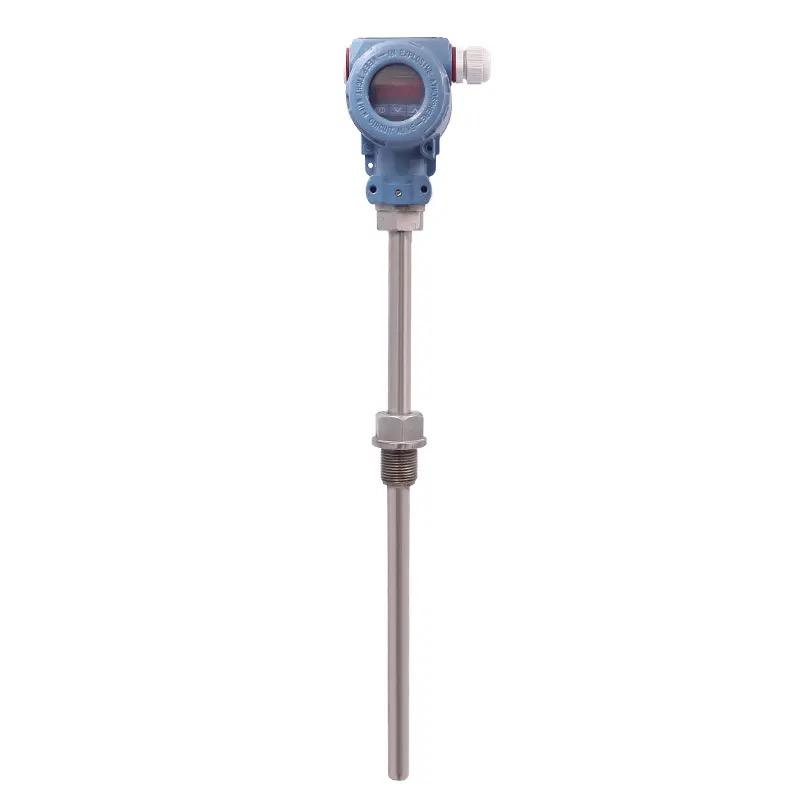
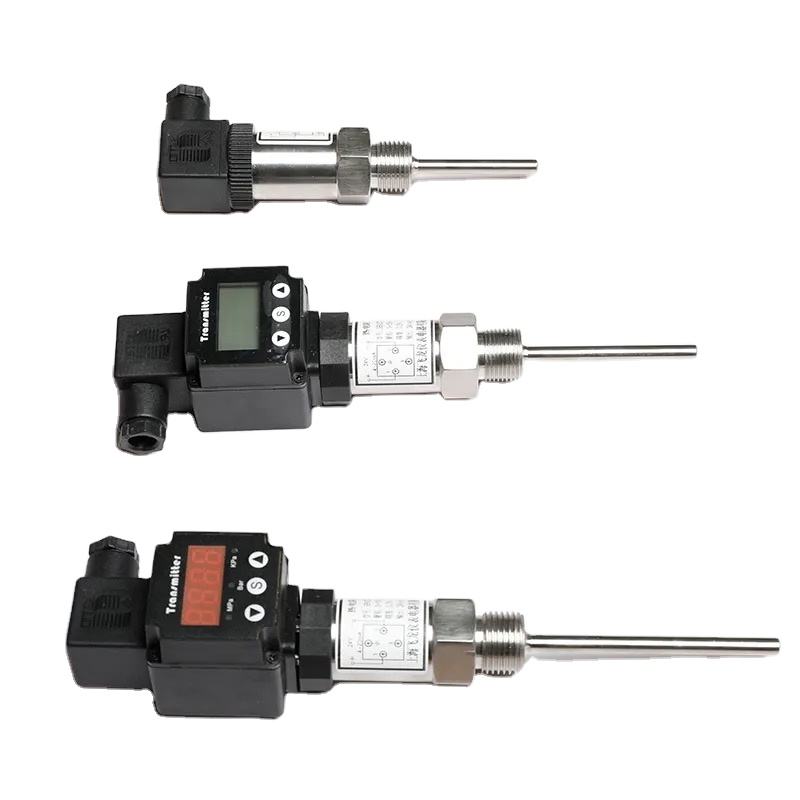
The temperature transmitter adopts thermocouple and thermal resistance as the temperature measuring element, and the output signal from the temperature measuring element is sent to the transmitter module.
About
Jiangsu Zhaolong Electrics Co., Ltd.
As China Temperature transmitter Manufacturers and Industrial Temperature Transmitters Factory, Jiangsu Zhaolong Electrics Co., Ltd. is a regional high-tech enterprise and a production base of temperature sensors and temperature control instruments. We have jointly developed and produced a series of thermocouples (thermal resistances) and temperature control electronics with numerous R&D institutions and academies in Shanghai. These products are salable throughout the country and the world, offering an advantage in cost performance. Our products have a renowned reputation in the market and win customers' trust due to their excellent performance, attractive appearance, high reliability, advanced technology, and good cost performance.
With strong technical development team and patent results, we can undertake business for normal and special specifications, and can design & install various large-scale and small-scale automatic temperature control boxes and temperature control rooms and remote monitoring temperature control systems for customers.
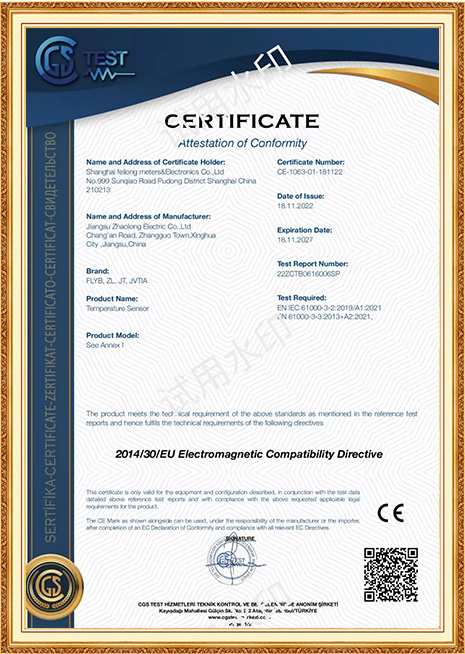
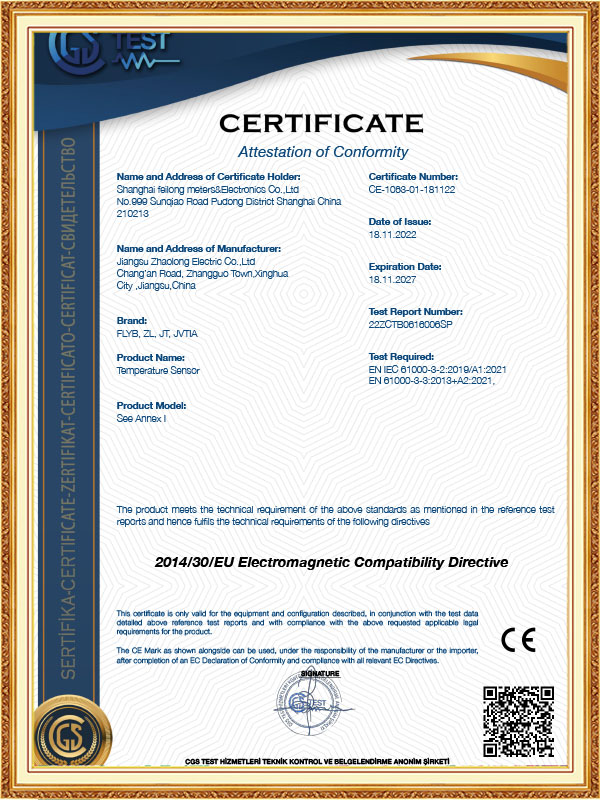
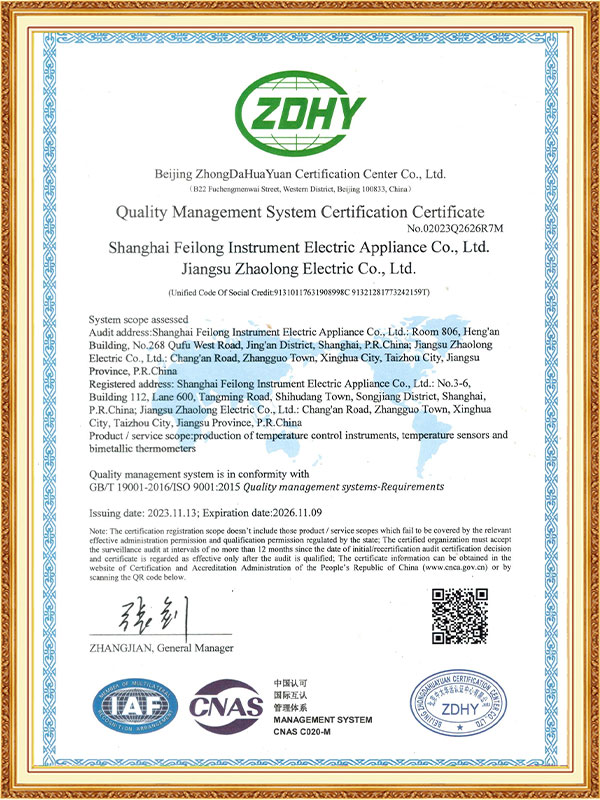
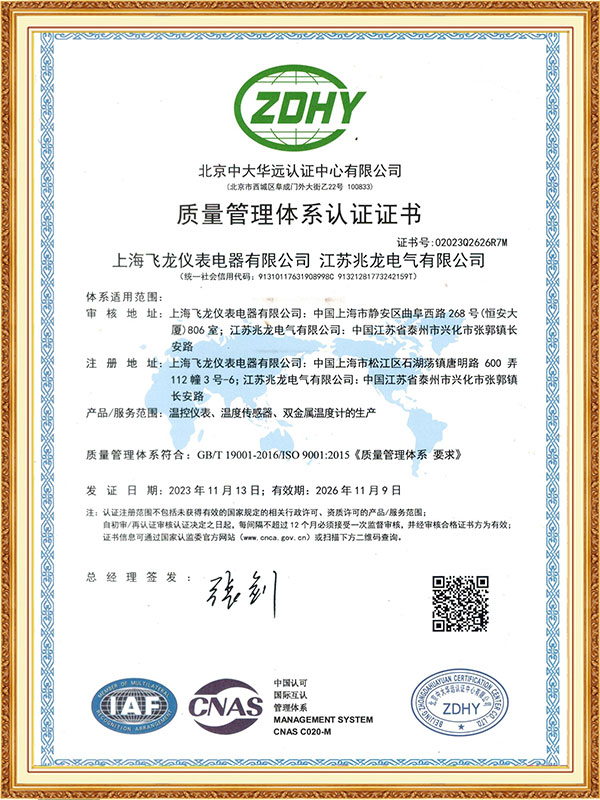
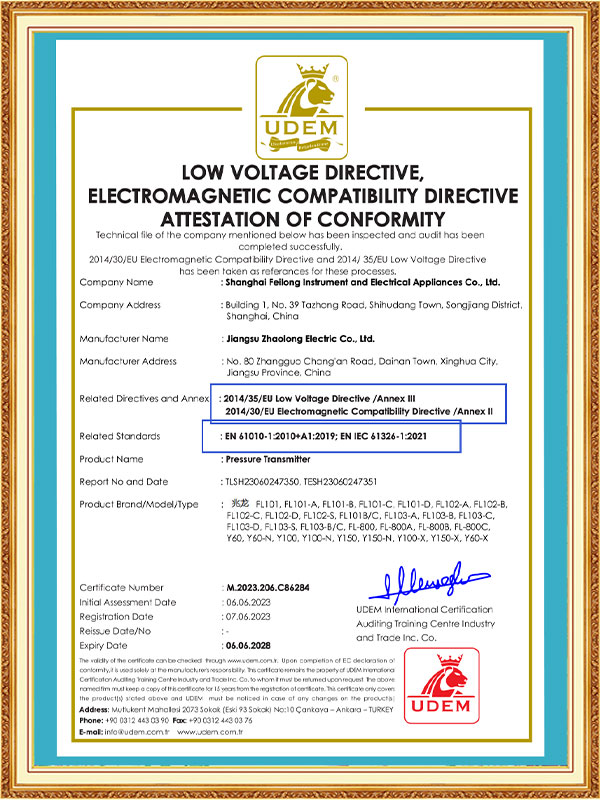
Certificate Of Honor
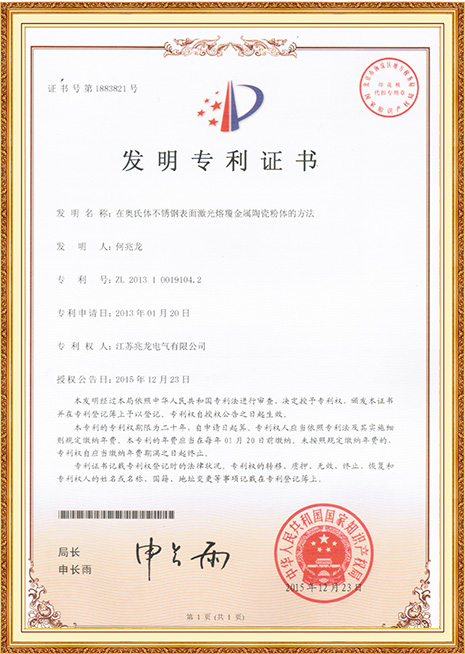
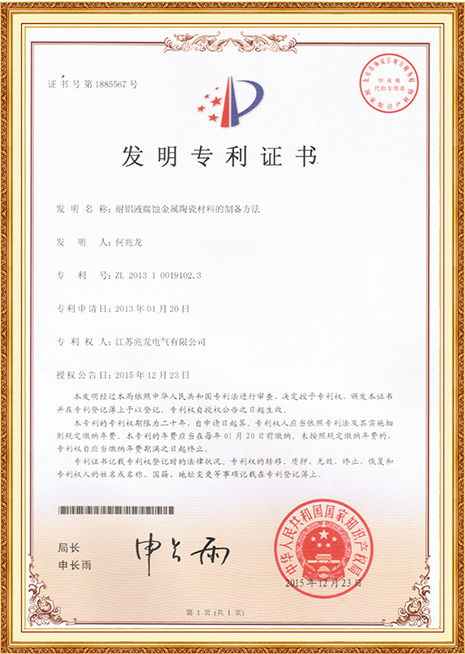
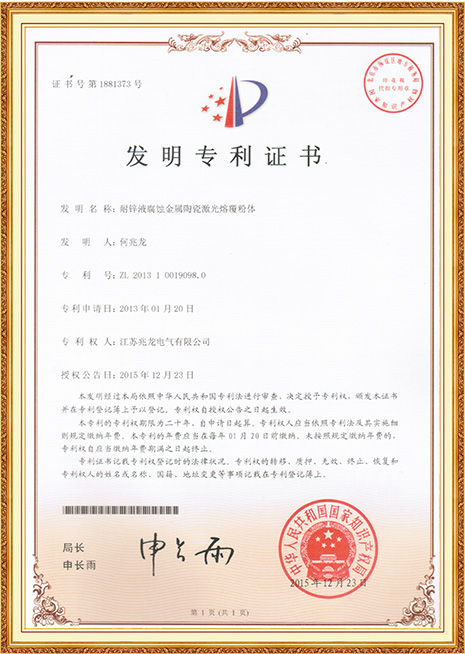
News
-
What Is a Temperature Controller? The Core Definition: A Closed-Loop System, Not Just a Measuring Device A temperature controller is a device that reads the current temperature of a process or environment through a senso...
READ MORE -
What Is a Temperature Transmitter and How Does It Work? A temperature transmitter works by receiving the electrical output from a temperature sensing element, processing it through internal signal conditioning and linear...
READ MORE -
How Industrial Temperature Sensors Drive Precision in Temperature Control Systems Industrial temperature sensors are at the heart of temperature control systems in modern industrial processes. These sensors play a critic...
READ MORE -
The 7th Taizhou International Electric Heating Technology and Equipment Exhibition came to a perfect end. The exhibition gained a lot, and many terminal manufacturers communicated and exchanged questions with us. We did ...
READ MORE
Industry knowledge
In manufacturing plants, energy facilities, environmental monitoring stations, and electronic equipment, accurate temperature information helps maintain stable operation. When temperature data cannot be transmitted clearly or consistently, it may affect system control and equipment performance.
A temperature transmitter plays an important role in solving this issue. It receives signals from temperature sensors such as thermocouples or thermal resistances and converts them into standardized signals that can be easily transmitted to controllers or monitoring systems. By stabilizing the signal and improving transmission reliability, temperature transmitters help ensure that temperature data can be used effectively in control systems.
With the growing demand for reliable temperature monitoring in modern industry, manufacturers continue to develop instruments that combine stable performance with practical system integration. Companies that focus on temperature measurement and control technologies play an important role in supporting these applications.
Jiangsu Zhaolong Electrics Co., Ltd. is a regional high-tech enterprise and a production base for temperature sensors and temperature control instruments. The company has cooperated with several research institutions and academic organizations in Shanghai to jointly develop and manufacture thermocouples, thermal resistances, and temperature control electronics. These products are supplied to customers across domestic and international markets and are known for their practical design and balanced cost performance.
With a strong technical development team and several patented technologies, the company is able to provide products for both standard and special specifications. In addition to individual components such as sensors and transmitters, Jiangsu Zhaolong Electrics Co., Ltd. can also design and install automatic temperature control boxes, temperature control rooms, and remote monitoring temperature control systems according to customer requirements.
1. Signal Conversion: The Foundation of Stable Temperature Data Transmission
Temperature sensors usually produce small electrical signals. While these signals contain accurate temperature information, they may be affected by electrical interference or long cable distances during transmission. A temperature transmitter converts these signals into standardized outputs, making them easier to transmit and interpret within industrial control systems.
This conversion helps ensure that the temperature data reaching the monitoring system remains clear and consistent.
Standardized Output Signals
Temperature transmitters convert the original sensor signal into standard signals such as current or voltage outputs. These standardized signals are widely used in industrial automation systems.
Important advantages include:
Better compatibility with control equipment
Many industrial controllers and PLC systems are designed to receive standard signals. By converting sensor outputs into these formats, the transmitter allows sensors to connect smoothly with monitoring equipment without additional signal processing devices.
More stable signal transmission
Raw sensor signals are relatively weak and may change during long-distance transmission. After conversion, the signal becomes stronger and more stable, allowing it to travel through long cables without losing important information.
Simplified system integration
When signals follow standard formats, engineers can connect transmitters to various control devices more easily. This reduces installation complexity and helps maintain consistent system performance.
Signal Filtering and Stability
Industrial environments often contain motors, pumps, and other electrical equipment. These devices can create electrical noise that interferes with measurement signals.
Temperature transmitters help address this situation through internal signal conditioning.
Key functions include:
Reduction of electrical interference
The transmitter processes incoming signals and filters unwanted noise. This helps ensure that the signal sent to the control system represents the actual temperature conditions.
Stable output to monitoring systems
By stabilizing the signal before it is transmitted, the device helps prevent sudden fluctuations that might cause inaccurate readings in monitoring equipment.
Reliable communication between devices
Stable signal output ensures that the controller or monitoring system receives consistent data, supporting smoother system operation.
|
Feature |
Function |
Application Example |
|
Sensor signal conversion |
Converts sensor signals into standardized outputs |
Industrial temperature monitoring |
|
Signal filtering |
Reduces electrical noise and improves signal clarity |
Factories with electrical equipment |
|
Long-distance signal transmission |
Maintains signal quality across extended cable connections |
Large production facilities |
|
Control system compatibility |
Allows connection with PLC and monitoring devices |
Automated temperature control systems |
2. Durable Design for Continuous Industrial Operation
Temperature transmitters are often installed in environments where equipment operates for long periods. Reliable construction helps ensure that the transmitter continues working properly even when exposed to vibration, dust, or changing environmental conditions.
A well-designed transmitter helps reduce maintenance needs and supports stable monitoring over time.
Stable Electronic Circuits
The internal electronic design of the transmitter influences how accurately it processes signals from sensors. Reliable components help maintain consistent performance during continuous operation.
Important characteristics include:
Consistent signal processing
The transmitter must correctly interpret the sensor signal before converting it to a standard output. Stable circuits help ensure that this conversion remains accurate.
Support for long operating periods
Industrial monitoring systems often run continuously. Electronic components designed for sustained operation help maintain dependable performance.
Reduced measurement drift
High-quality circuitry helps keep the output signal consistent over time, allowing the monitoring system to maintain reliable readings.
Protective Housing and Installation Flexibility
Transmitters are commonly installed near industrial equipment or inside control panels. Protective housing helps shield the internal components from environmental conditions that may affect operation.
Key advantages include:
Protection from dust and moisture
Industrial sites may expose equipment to particles or humidity. A sealed enclosure helps prevent these elements from entering the device.
Resistance to mechanical vibration
Machinery may generate vibration during operation. A sturdy housing helps protect the internal electronics and maintain stable signal output.
Flexible installation options
Temperature transmitters can often be installed on field instruments, control cabinets, or sensor assemblies. This flexibility allows engineers to choose installation positions that suit their system layout.
3. Practical Value in Industrial Temperature Monitoring
Temperature transmitters serve as an important connection between sensors and control systems. By converting and stabilizing signals, they allow temperature data to be transmitted clearly and used effectively in monitoring and automation systems.
Industrial Process Monitoring
In many manufacturing processes, temperature conditions must remain within a certain range. Temperature transmitters provide the data needed for monitoring these conditions.
Their role includes:
Providing accurate temperature information
The transmitter sends temperature signals from the sensor to the monitoring system, allowing operators to observe process conditions in real time.
Supporting stable production processes
When accurate temperature data is available, controllers can adjust heating or cooling systems to maintain appropriate operating conditions.
Helping operators understand equipment status
Continuous temperature data helps technicians monitor equipment performance and identify changes during operation.
Integration with Automated Control Systems
Many industrial facilities rely on automated monitoring platforms. Temperature transmitters provide essential data that supports these systems.
Their functions include:
Connecting sensors with PLC or control systems
The transmitter sends standardized signals that automation systems can easily process.
Supporting centralized monitoring
Temperature data from multiple transmitters can be displayed on monitoring screens, allowing operators to observe system conditions more conveniently.
Improving operational efficiency
When reliable data is available, automated systems can make more precise adjustments to maintain stable operating conditions.
Customized Solutions and Engineering Support
With a strong technical development team and patented technologies, Jiangsu Zhaolong Electrics Co., Ltd. can also provide customized temperature monitoring solutions for different industries.
These services include:
Customized specifications
Different industries may require different sensor types, signal outputs, or installation methods. The company can manufacture transmitters according to specific technical requirements.
Temperature control system design
The company can design and install automatic temperature control boxes and temperature control rooms to support centralized monitoring systems.
Remote temperature monitoring systems
For facilities that require remote supervision, temperature transmitters can be integrated into monitoring systems that allow operators to observe temperature conditions from control centers.

PRODUCT
CONTACT INFO.
-
 +86-181 1593 0076 (Amy)
-
 +86 (0)523-8376 1478
-
 [email protected]
-
 No. 80, Chang'an Road, Dainan Town, Xinghua City, Jiangsu, China
QR CODE