eng
eng
 English
 русский
 Español
 Français
Industrial Digital Temperature Controller Manufacturers
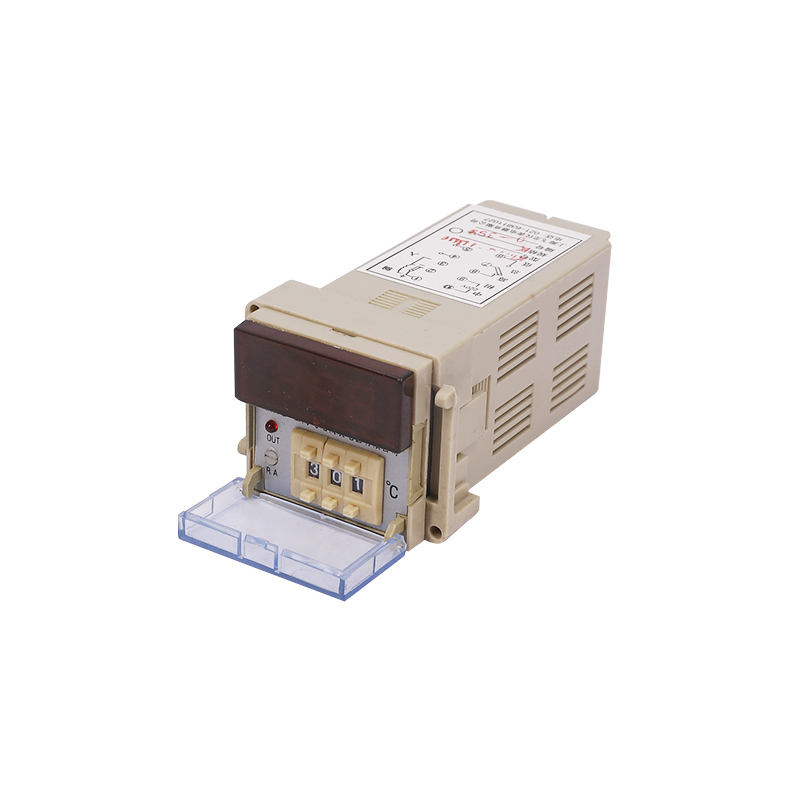
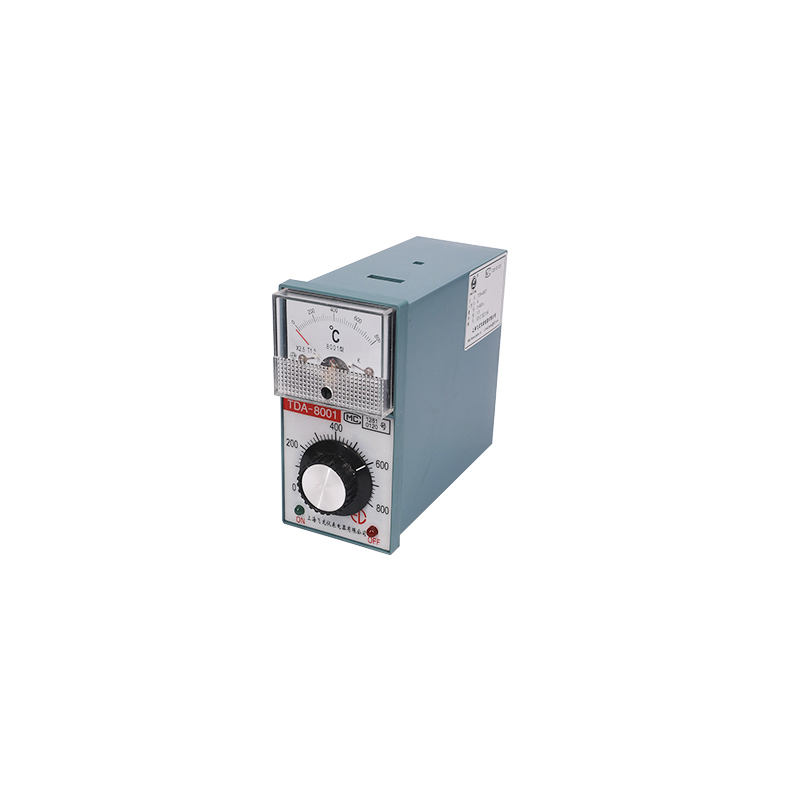
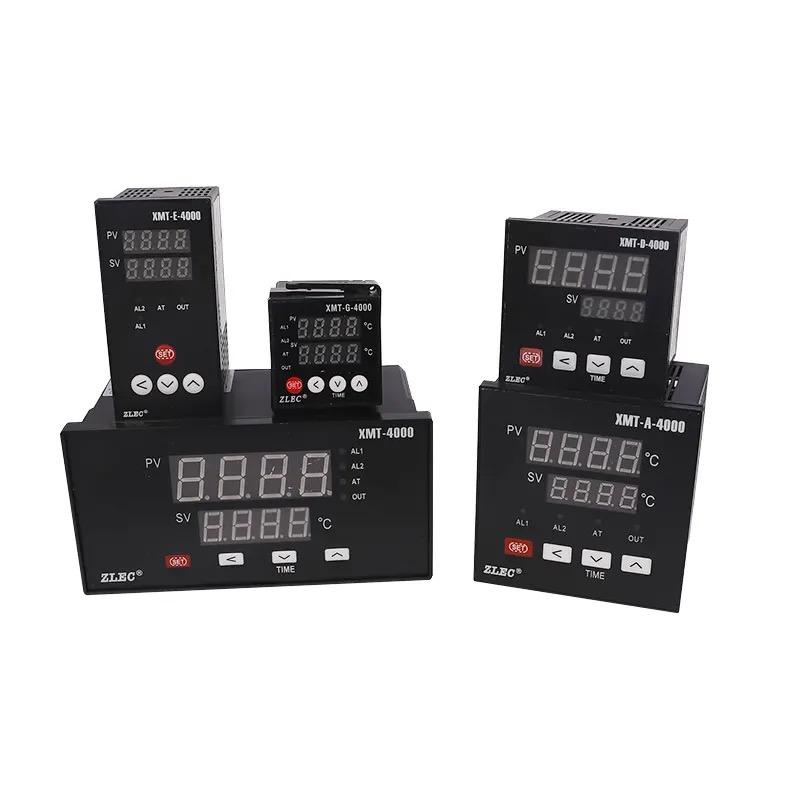
It is an electronic device that precisely regulates temperature by comparing a measured temperature from a sensor to a desired setpoint and then adjusting a heating or cooling element to maintain the temperature.
About
Jiangsu Zhaolong Electrics Co., Ltd.
As China Digital Temperature Controller Manufacturers and Temperature controller Factory, Jiangsu Zhaolong Electrics Co., Ltd. is a regional high-tech enterprise and a production base of temperature sensors and temperature control instruments. We have jointly developed and produced a series of thermocouples (thermal resistances) and temperature control electronics with numerous R&D institutions and academies in Shanghai. These products are salable throughout the country and the world, offering an advantage in cost performance. Our products have a renowned reputation in the market and win customers' trust due to their excellent performance, attractive appearance, high reliability, advanced technology, and good cost performance.
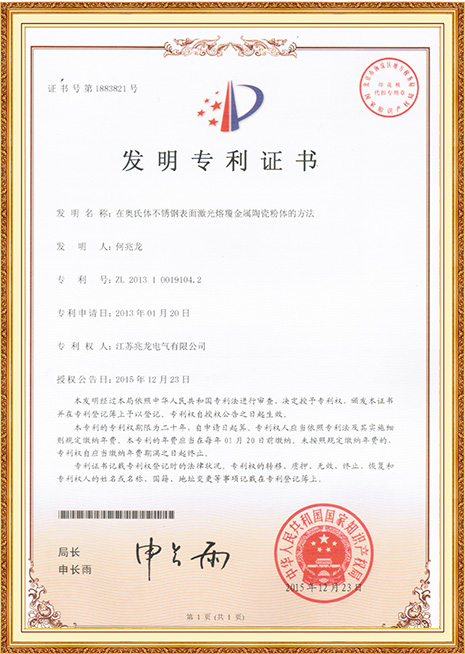
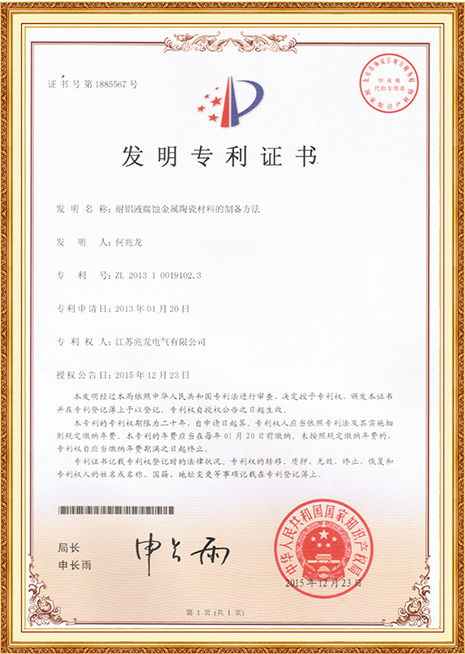
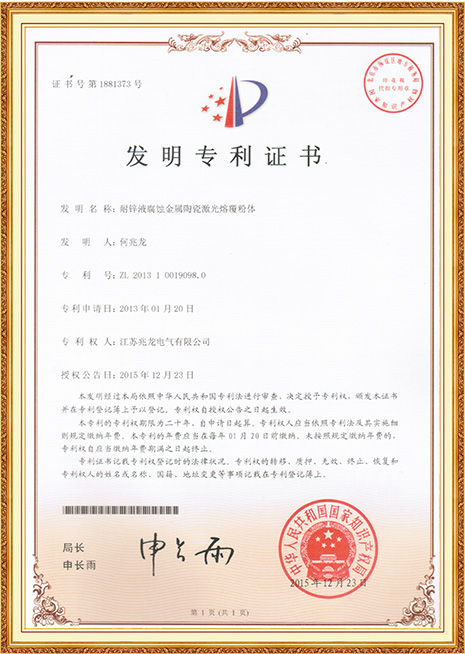
With strong technical development team and patent results, we can undertake business for normal and special specifications, and can design & install various large-scale and small-scale automatic temperature control boxes and temperature control rooms and remote monitoring temperature control systems for customers.
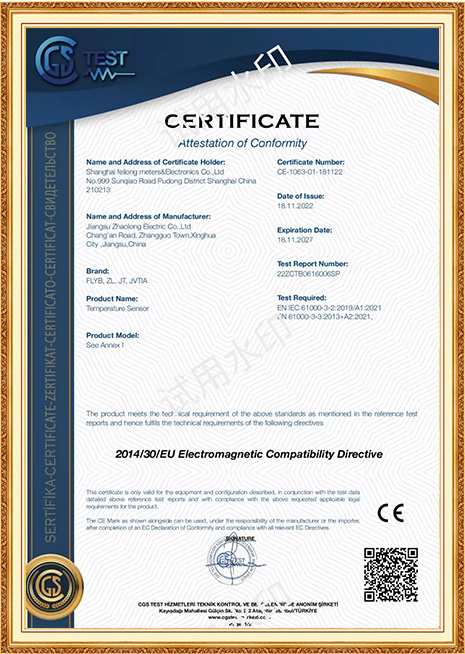
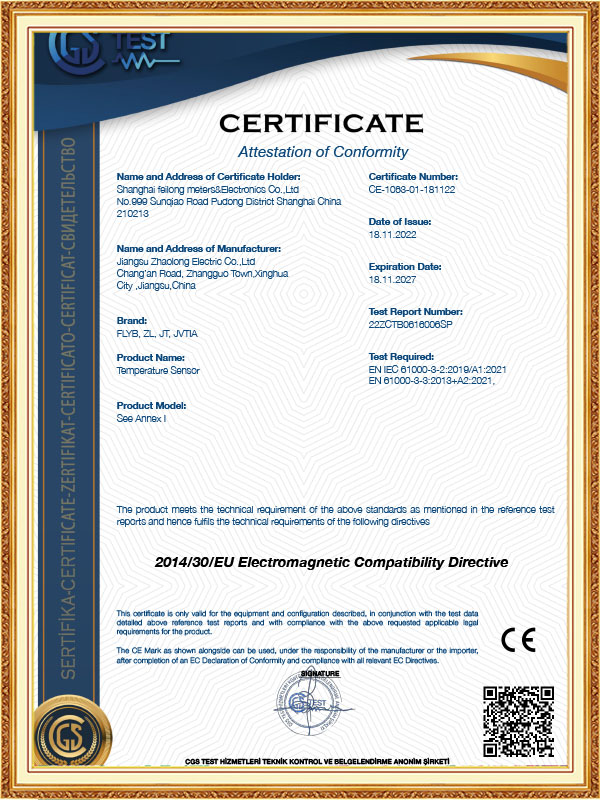
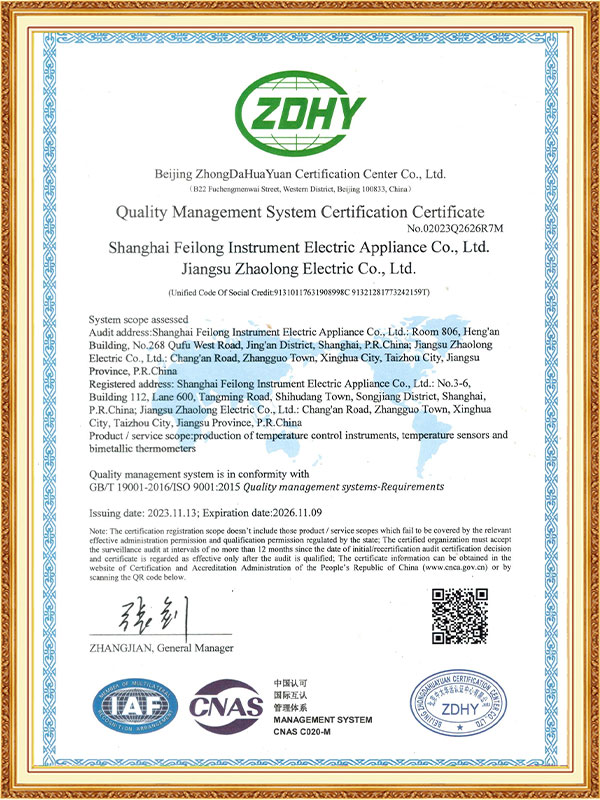
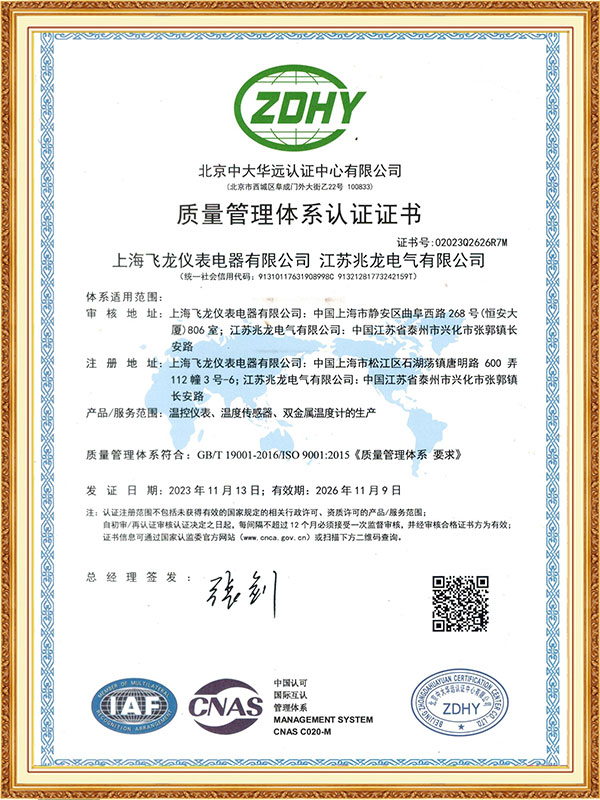
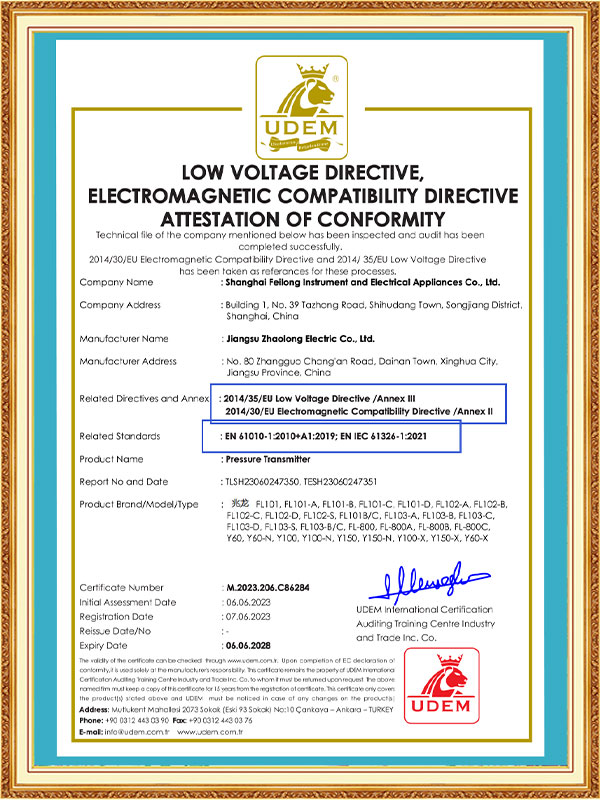
Certificate Of Honor
News
-
What Is a Temperature Controller? The Core Definition: A Closed-Loop System, Not Just a Measuring Device A temperature controller is a device that reads the current temperature of a process or environment through a senso...
READ MORE -
What Is a Temperature Transmitter and How Does It Work? A temperature transmitter works by receiving the electrical output from a temperature sensing element, processing it through internal signal conditioning and linear...
READ MORE -
How Industrial Temperature Sensors Drive Precision in Temperature Control Systems Industrial temperature sensors are at the heart of temperature control systems in modern industrial processes. These sensors play a critic...
READ MORE -
The 7th Taizhou International Electric Heating Technology and Equipment Exhibition came to a perfect end. The exhibition gained a lot, and many terminal manufacturers communicated and exchanged questions with us. We did ...
READ MORE
Industry knowledge
Temperature control is an important part of many industrial and commercial processes. Whether in manufacturing, food processing, laboratories, or electronic equipment, maintaining a stable temperature helps ensure consistent performance and product quality. When temperature changes are not properly controlled, machines may operate less efficiently and materials may not reach the required conditions.
A temperature controller helps manage this process. It receives temperature signals from sensors and adjusts heating or cooling devices to keep the temperature within a set range. By regulating temperature automatically, controllers support stable operation and reduce the need for manual adjustments. This article explains several key aspects of temperature controllers, including control accuracy, system reliability, and their value in real applications.
1. Control Accuracy: The Foundation of Stable Temperature Regulation
A temperature controller works by continuously comparing the actual temperature with a preset target value. When a difference is detected, the controller sends signals to heating or cooling devices to adjust the temperature. The design of the controller determines how accurately and smoothly this adjustment happens.
Different control methods and sensor compatibility options allow controllers to operate in a wide range of environments.
Support for Multiple Sensor Types
Temperature controllers are usually designed to work with several types of temperature sensors, such as thermocouples, RTD sensors, and thermistors. This flexibility allows the controller to be used in different industrial systems.
Key advantages include:
Flexible system integration
By supporting different sensor inputs, the controller can be connected to existing temperature monitoring systems without requiring major changes to equipment.
Adaptation to various measurement ranges
Some sensors are better suited for high temperatures, while others are used for precise measurement in moderate ranges. A controller that supports multiple sensor types can adapt to these different needs.
Convenient replacement and maintenance
When sensors need to be replaced or upgraded, compatible controllers allow the system to continue operating without significant redesign.
Stable Temperature Adjustment
Temperature controllers regulate heating or cooling equipment based on the difference between the measured temperature and the target temperature.
This adjustment process helps maintain steady conditions in systems where temperature changes may occur frequently.
Important characteristics include:
Continuous monitoring
The controller receives signals from the sensor at regular intervals, allowing it to track temperature changes in real time.
Automatic regulation
When the temperature rises above or falls below the target value, the controller sends control signals to adjust the system.
Reduced temperature fluctuation
By making small adjustments rather than large changes, the controller helps maintain a more stable operating environment.
Comparison of Common Temperature Controller Input Types
|
Sensor Input Type |
Measurement Characteristics |
Typical Applications |
|
Thermocouple Input |
Suitable for wide temperature ranges |
Industrial furnaces and heating systems |
|
RTD Input |
Stable and consistent measurement |
Laboratories and process control |
|
Thermistor Input |
Sensitive to small temperature changes |
Electronics and compact devices |
Selecting a controller that supports the appropriate sensor input helps ensure that the control system works smoothly.
2. Durability and System Reliability
Temperature controllers are often installed in equipment that operates for long periods. Because of this, the controller must maintain reliable performance under different conditions.
Design features related to durability help ensure that the controller continues working even in environments where vibration, dust, or electrical interference may occur.
Stable Electronic Components
The internal electronic components of a temperature controller influence its long-term performance. Quality components help maintain consistent operation even when the controller runs continuously.
Important aspects include:
Reliable circuit design
A well-designed circuit helps the controller process temperature signals accurately and maintain consistent control output.
Stable signal processing
The controller must interpret sensor signals correctly to adjust the heating or cooling system effectively.
Long operating life
Components designed for continuous operation help reduce the need for frequent replacement.
Protection Against Environmental Influence
Controllers installed in industrial environments may be exposed to dust, humidity, or electrical noise from nearby equipment. Protective design features help maintain system stability.
Examples include:
Protective outer housing
A durable enclosure helps protect internal components from dust and accidental contact.
Resistance to electrical interference
In environments with motors or power equipment, electrical interference can affect signals. Proper shielding and filtering help reduce this influence.
Stable mounting design
Secure mounting helps the controller remain stable even when installed in vibrating equipment.
Durability Features of Temperature Controllers
|
Feature |
Function |
Suitable Environment |
|
Protective housing |
Shields internal components |
Industrial control panels |
|
Signal filtering |
Reduces electrical interference |
Equipment with motors |
|
Stable circuit design |
Maintains reliable signal processing |
Continuous monitoring systems |
|
Secure mounting structure |
Supports stable installation |
Machinery and production lines |
These features help controllers maintain consistent performance during long periods of operation.
3. Application Value: Supporting Efficient Temperature Management
Temperature controllers are used in many industries because they help maintain stable working conditions and improve process efficiency. By automatically adjusting temperature levels, they reduce manual intervention and help systems operate smoothly.
Industrial Process Control
Many manufacturing processes require stable temperature conditions. Temperature controllers help maintain these conditions by regulating heaters, cooling systems, or other thermal equipment.
Their role includes:
Maintaining process stability
Many production processes depend on consistent heat levels. A controller helps maintain the required temperature range.
Supporting product consistency
When temperature remains stable, products produced by the process tend to have more consistent characteristics.
Reducing manual monitoring
Automatic control allows operators to focus on other tasks instead of constantly adjusting equipment.
Environmental and Storage Temperature Control
Temperature controllers are also used in systems that maintain environmental conditions, such as storage facilities or climate-controlled spaces.
Typical uses include:
Cold storage management
Controllers help keep the temperature within a suitable range for stored goods.
Greenhouse climate regulation
Maintaining appropriate temperature levels supports plant growth.
Laboratory equipment control
Temperature stability is often required for testing and research environments.
Equipment Protection and Energy Management
Temperature controllers also play a role in protecting equipment and managing energy use.
For example:
Preventing overheating
If equipment begins to heat beyond the desired range, the controller can adjust the system to reduce temperature.
Optimizing energy use
Maintaining stable temperature conditions often reduces unnecessary heating or cooling cycles.
Supporting automated systems
In automated production environments, temperature controllers work together with other control devices to maintain stable system performance.
Applications of Temperature Controllers in Different Industries
|
Industry |
Example Application |
Role of Temperature Controller |
|
Manufacturing |
Industrial heating equipment |
Maintains stable production temperature |
|
Agriculture |
Greenhouse climate systems |
Supports plant growth conditions |
|
Food Storage |
Refrigeration systems |
Maintains proper storage temperature |
|
Electronics |
Device cooling systems |
Helps regulate internal heat |
These examples show how temperature controllers help maintain stable operating conditions across a wide range of applications.

PRODUCT
CONTACT INFO.
-
 +86-181 1593 0076 (Amy)
-
 +86 (0)523-8376 1478
-
 [email protected]
-
 No. 80, Chang'an Road, Dainan Town, Xinghua City, Jiangsu, China
QR CODE