eng
eng
 English
 русский
 Español
 Français
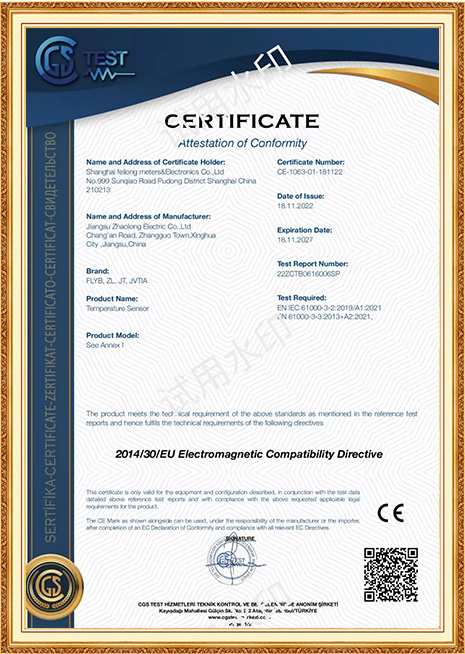
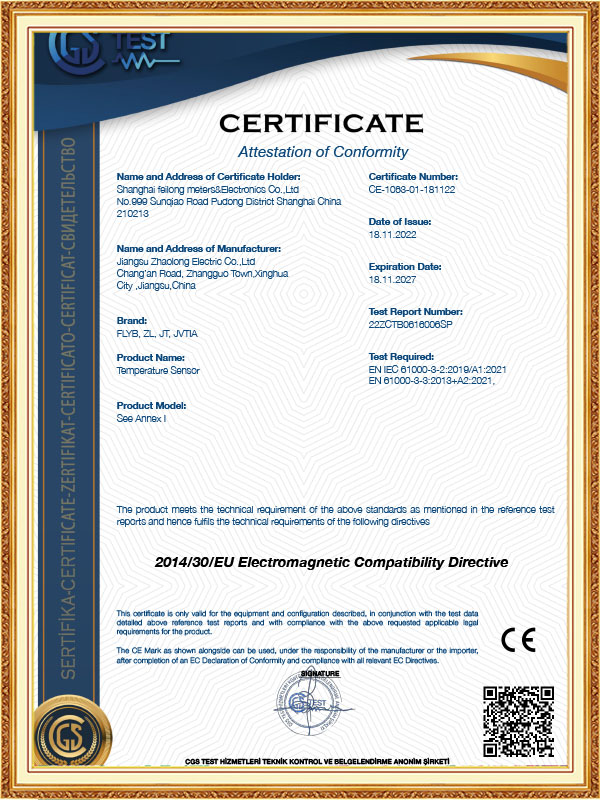
As China High Temperature Pressure Transmitter Manufacturers and Pressure transmitter Factory, Jiangsu Zhaolong Electrics Co., Ltd. is a regional high-tech enterprise and a production base of temperature sensors and temperature control instruments. We have jointly developed and produced a series of thermocouples (thermal resistances) and temperature control electronics with numerous R&D institutions and academies in Shanghai. These products are salable throughout the country and the world, offering an advantage in cost performance. Our products have a renowned reputation in the market and win customers' trust due to their excellent performance, attractive appearance, high reliability, advanced technology, and good cost performance.
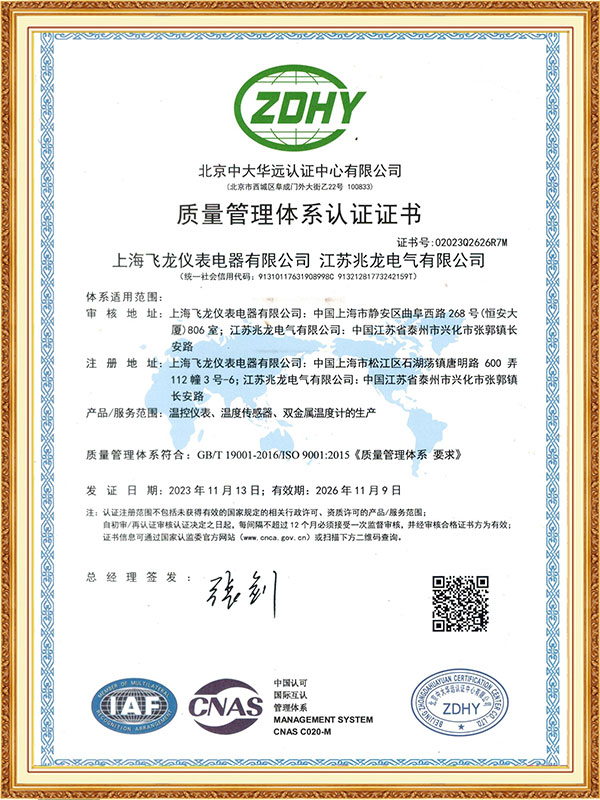
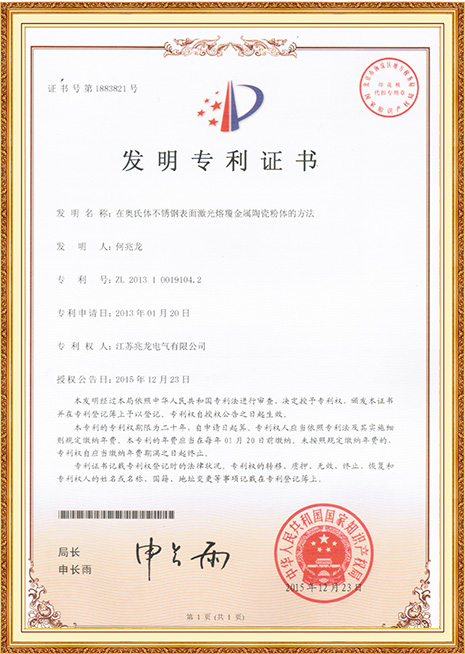
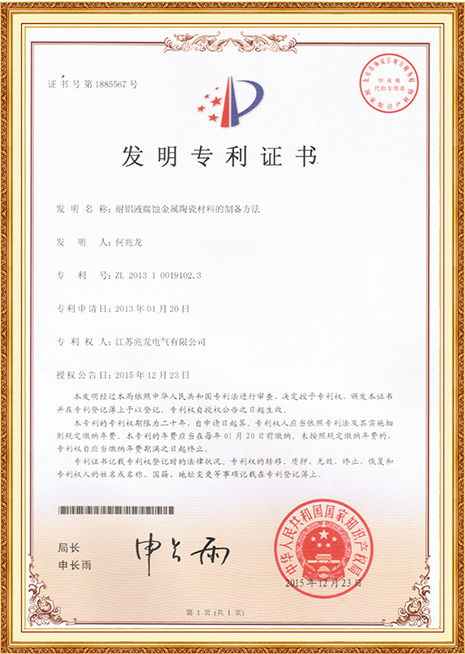
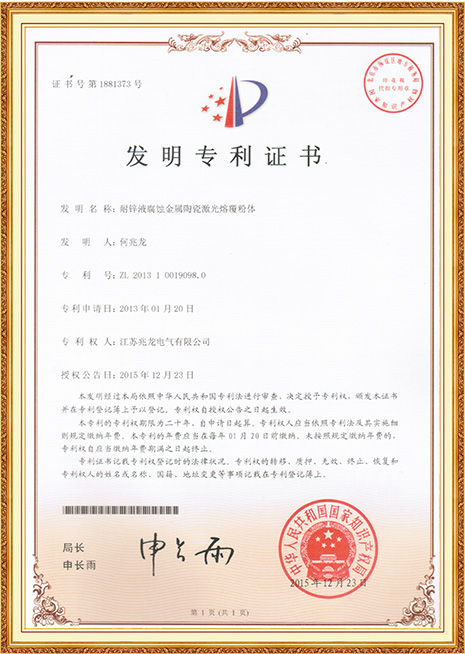
With strong technical development team and patent results, we can undertake business for normal and special specifications, and can design & install various large-scale and small-scale automatic temperature control boxes and temperature control rooms and remote monitoring temperature control systems for customers.
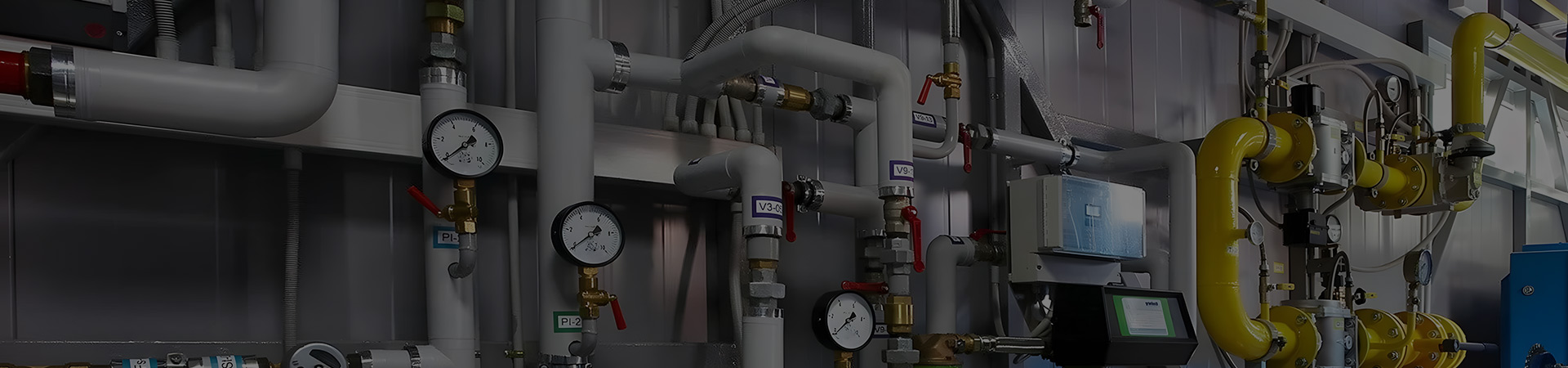
Pressure transmitter Manufacturers
information to be updated
The pressure transmitter is a device that converts pressure measurements into a proportional electrical signal, such as a 4-20mA current or 1-5V voltage, for monitoring and control in automated systems.

-
What Is a Temperature Controller? The Core Definition: A Closed-Loop System, Not Just a Measuring Device A temperature controller is a device that reads the current temperature of a process or environment through a senso...
READ MORE -
What Is a Temperature Transmitter and How Does It Work? A temperature transmitter works by receiving the electrical output from a temperature sensing element, processing it through internal signal conditioning and linear...
READ MORE -
How Industrial Temperature Sensors Drive Precision in Temperature Control Systems Industrial temperature sensors are at the heart of temperature control systems in modern industrial processes. These sensors play a critic...
READ MORE -
The 7th Taizhou International Electric Heating Technology and Equipment Exhibition came to a perfect end. The exhibition gained a lot, and many terminal manufacturers communicated and exchanged questions with us. We did ...
READ MORE
Pressure control is an important part of many industrial systems. In pipelines, hydraulic equipment, chemical processing units, and energy facilities, stable pressure conditions help equipment operate smoothly and maintain consistent production processes. When pressure levels change unexpectedly, it may influence system performance or interrupt normal operation.
To observe and transmit pressure data accurately, many industrial systems use pressure transmitters. These instruments convert pressure signals into standard electrical outputs that can be transmitted to monitoring systems or control devices. With this function, operators and engineers can observe pressure conditions in real time and make adjustments when necessary.
Reliable pressure transmitters are often developed by manufacturers with experience in sensors and industrial control technology. Jiangsu Zhaolong Electrics Co., Ltd. is a regional high-tech enterprise and also a production base for temperature sensors and temperature control instruments. The company has cooperated with many research institutions and academic organizations in Shanghai to jointly develop and produce thermocouples, thermal resistances, and temperature control electronic devices.
These products are supplied to customers across the country and international markets. With practical design and balanced cost performance, the company’s products are widely used in different industries. Because of their stable performance, attractive appearance, reliable structure, and advanced technology, they are recognized by many customers in the market.
Building on this experience in measurement and control technology, the company also provides pressure transmitters designed for industrial monitoring applications.
1. Signal Conversion and Transmission: Supporting Reliable Monitoring
A pressure transmitter receives pressure signals from the sensing element and converts them into standardized electrical outputs. These signals can then be transmitted to monitoring systems, controllers, or data acquisition equipment. This process helps engineers observe system pressure conditions more clearly and integrate the data into automatic control systems.
Stable Signal Output
Stable signal output is one of the key functions of a pressure transmitter. Important characteristics include:
Conversion of pressure into standard signals
The transmitter converts pressure readings into standardized electrical outputs such as current or voltage signals. These signals can be transmitted to PLC systems, monitoring panels, or control devices, allowing the pressure data to be used in automated systems.
Improved signal transmission over distance
In many factories, equipment and control rooms are located in different areas. By converting pressure measurements into stable electrical signals, the transmitter allows the data to travel through cables without losing accuracy.
Clear data for monitoring systems
When the pressure signal is properly converted and transmitted, the monitoring system can display the pressure values clearly. Operators can then observe system conditions and make adjustments if needed.
2. Durable Design for Industrial Environments
Industrial equipment often operates in environments where vibration, temperature changes, or humidity may occur. For this reason, pressure transmitters are designed with structures that support stable operation in everyday working conditions.
Protective Structure and Reliable Components
The construction of a pressure transmitter helps protect internal parts and maintain measurement stability. Key design features include:
Protective housing for external environments
The transmitter housing helps shield internal electronic components from dust, moisture, and mechanical influence. This protection allows the instrument to be installed near industrial equipment and pipelines.
Stable sensing elements
Inside the transmitter, the pressure sensing element responds to pressure changes and converts them into electrical signals. With appropriate materials and manufacturing methods, the sensing element can provide consistent performance during long periods of operation.
Adaptability to different installation locations
Pressure transmitters can be installed on pipelines, tanks, hydraulic systems, or industrial machinery. Their structure allows them to function in various industrial environments while maintaining reliable readings.
3. Applications in Industrial Pressure Monitoring
Pressure transmitters are widely used in systems where pressure data must be transmitted to control or monitoring equipment. They help operators understand system conditions and support automatic control processes.
Pipeline and Process Monitoring
In many industrial facilities, pipelines carry liquids or gases that must remain within certain pressure ranges. Practical advantages include:
Continuous pressure observation
Pressure transmitters provide ongoing pressure data that can be displayed on monitoring systems or recorded by data systems.
Support for process control systems
The transmitted pressure signal can be used by controllers to adjust valves, pumps, or other equipment in the system.
Improved understanding of operating conditions
With continuous pressure data available, engineers can observe how the system behaves during operation and adjust parameters when necessary.
Equipment and Hydraulic System Monitoring
Pressure transmitters are also commonly used in hydraulic systems and industrial machines. Their role includes:
Monitoring hydraulic pressure during operation
Hydraulic machines rely on stable pressure levels. The transmitter provides pressure data that helps operators confirm that the system is working within the intended range.
Supporting automatic control systems
In automated equipment, pressure signals from transmitters can be used by controllers to maintain stable working conditions.
Providing useful information for maintenance
Continuous pressure data helps technicians understand equipment performance and identify possible changes during system operation.
4. Manufacturing Capability and Technical Support
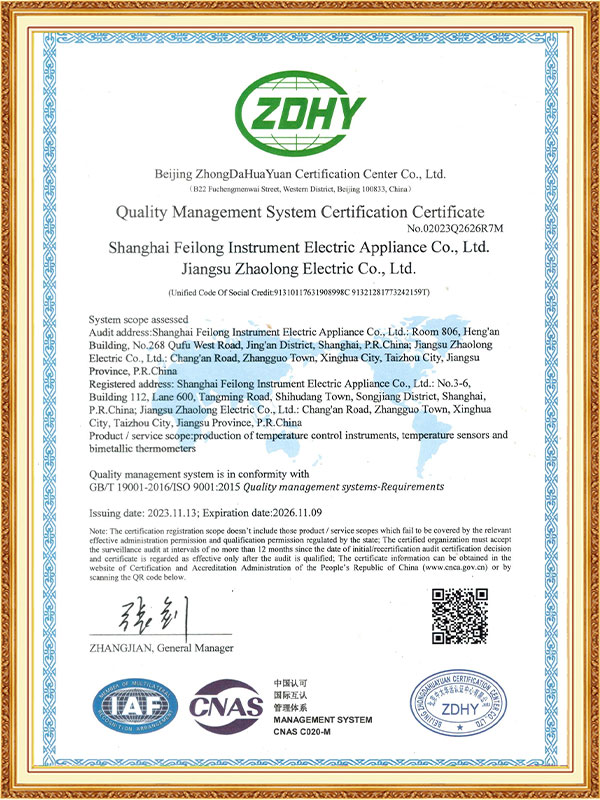
Reliable industrial instruments are often supported by strong manufacturing capabilities and technical development teams. Jiangsu Zhaolong Electrics Co., Ltd. has established modern production lines and testing methods to support the manufacturing of temperature and pressure measurement products.
During production, quality control procedures are applied to ensure consistent product performance. Important company advantages include:
Complete production and testing processes
The company operates updated production lines and inspection methods. Each stage of production is monitored to maintain consistent product quality.
Strong technical research and development team
The company has an experienced engineering team and several patented technologies. This technical background supports the development of measurement instruments and control systems.
Capability to supply standard and customized products
In addition to regular product models, the company can provide instruments designed according to special specifications requested by customers.
Engineering support for temperature control systems
The company can also design and install automatic temperature control systems of different scales, helping customers build monitoring and control solutions suited to their facilities.

-
 +86-181 1593 0076 (Amy)
-
 +86 (0)523-8376 1478
-
 [email protected]
-
 No. 80, Chang'an Road, Dainan Town, Xinghua City, Jiangsu, China